The Western Bonelli’s Warbler: A Comprehensive Overview
The Western Bonelli’s Warbler (Phylloscopus bonelli) is a small, insectivorous passerine bird that has captured the fascination of ornithologists and birdwatchers alike. Known for its distinctive song and subtle beauty, this species is prevalent across various regions in Europe and parts of North Africa. This article delves into the intricate details of this remarkable bird, exploring its habitat, behavior, and conservation status.
Taxonomy and Identification
Belonging to the family Phylloscopidae, the Western Bonelli’s Warbler was once grouped with the Eastern Bonelli’s Warbler but has since been recognized as a distinct species. This separation was primarily due to differences in their vocalizations and slight variations in plumage.
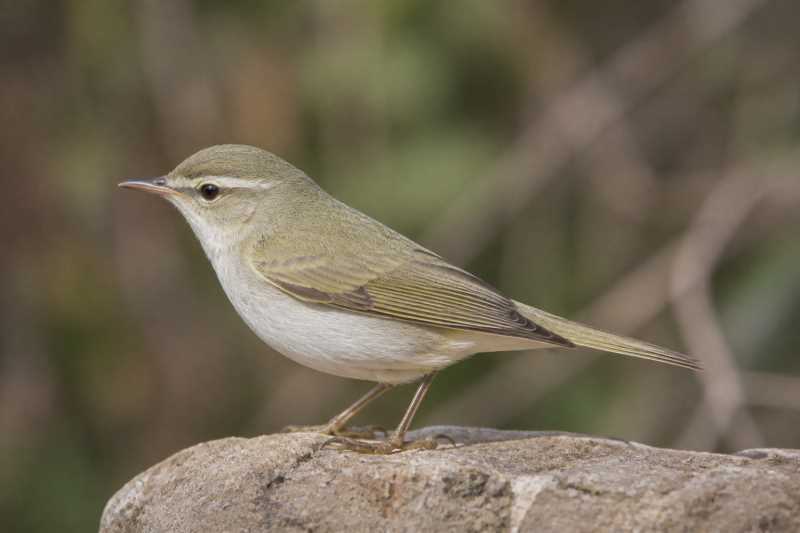
The Western Bonelli’s Warbler is characterized by its olive-green upperparts and white underparts, with a faint, yet noticeable yellow wash on its chest. Its wings are adorned with two pale wing bars, and the bird has a distinctive, albeit inconspicuous, eye-ring that adds to its charm. Weighing in at around 7 to 9 grams and measuring about 11 to 12 cm in length, it is a petite bird that is easy to miss amidst foliage.
Habitat and Distribution
The species predominantly inhabits deciduous and mixed woodlands, favoring areas with dense undergrowth where it can forage for insects. During the breeding season, which occurs in spring and early summer, the Western Bonelli’s Warbler is found across southern and central Europe, extending to parts of North Africa.
In winter, the bird embarks on a long migration to sub-Saharan Africa, where it enjoys the warmer climate. The migration patterns of the Western Bonelli’s Warbler are a testament to its resilience and adaptability, as it traverses vast distances between its breeding and wintering grounds.
Behavior and Diet
Known for its active and agile nature, the Western Bonelli’s Warbler is a proficient forager. It primarily feeds on small insects and spiders, often seen flitting among leaves and branches in search of its next meal. Its feeding strategy involves a combination of gleaning insects from foliage and occasionally catching prey in mid-air.
The bird’s song is another fascinating aspect of its behavior. The Western Bonelli’s Warbler’s song is a series of rapid, high-pitched notes that are often described as a ‘trill.’ Males use this song as a territorial display and to attract females during the breeding season. The distinctiveness of its song is one of the key factors that differentiates it from its eastern counterpart.
Breeding and Nesting
During the breeding season, the Western Bonelli’s Warbler engages in a complex courtship display, with males singing vigorously to establish territories and entice females. Once paired, the female takes on the responsibility of building the nest, which is typically located close to the ground in dense vegetation.
The nest is a delicate construction, made from grass, leaves, and moss, lined with feathers and hair for insulation. The female lays a clutch of 4 to 6 eggs, which she incubates for about 12 to 14 days. Once hatched, both parents partake in feeding the nestlings, which fledge approximately 14 days after hatching.
Conservation Status
Currently, the Western Bonelli’s Warbler is listed as a species of Least Concern on the IUCN Red List. Despite this reassuring status, the bird faces several threats that could impact its population in the future. These include habitat loss due to deforestation and changes in land use, as well as the effects of climate change on its migratory patterns and habitat.
Conservation efforts are crucial to ensure the survival of this species in the long term. Protecting its breeding and wintering habitats, along with continued monitoring of its population trends, are vital steps in safeguarding the Western Bonelli’s Warbler.
Conclusion
The Western Bonelli’s Warbler is a remarkable bird that exemplifies the beauty and complexity of avian life. Its distinctive song, migratory habits, and adaptability make it a subject of interest for bird enthusiasts and researchers. While it currently enjoys a stable population, ongoing conservation efforts will be essential to protect this species for future generations to admire.
References
– BirdLife International (2023). “Phylloscopus bonelli.” The IUCN Red List of Threatened Species 2023.
– Svensson, L., & Grant, P. J. (2010). “Collins Bird Guide.” HarperCollins Publishers.
– Mullarney, K., & Zetterström, D. (2009). “Birds of Europe.” Princeton University Press.
Meta Title
Western Bonelli’s Warbler: A Detailed Insight
Meta Description
Explore the Western Bonelli’s Warbler’s habitat, behavior, and conservation. Discover what makes this small bird a subject of fascination for bird enthusiasts.
Related posts