The Enigmatic Long-Billed Crow: A Study of Corvus validus
Introduction
The Long-billed Crow (Corvus validus) is an enigmatic bird species that captures the fascination of ornithologists and bird enthusiasts alike. Known for its distinctive long bill, this crow is native to the tropical regions of Indonesia, particularly the islands of Halmahera and the surrounding North Maluku province. Despite its relatively isolated habitat, the Long-billed Crow plays a crucial role in the local ecosystem, acting as both a scavenger and seed disperser. This article delves into the various aspects of the Long-billed Crow, exploring its physical characteristics, habitat, behavior, and conservation status.
Physical Characteristics
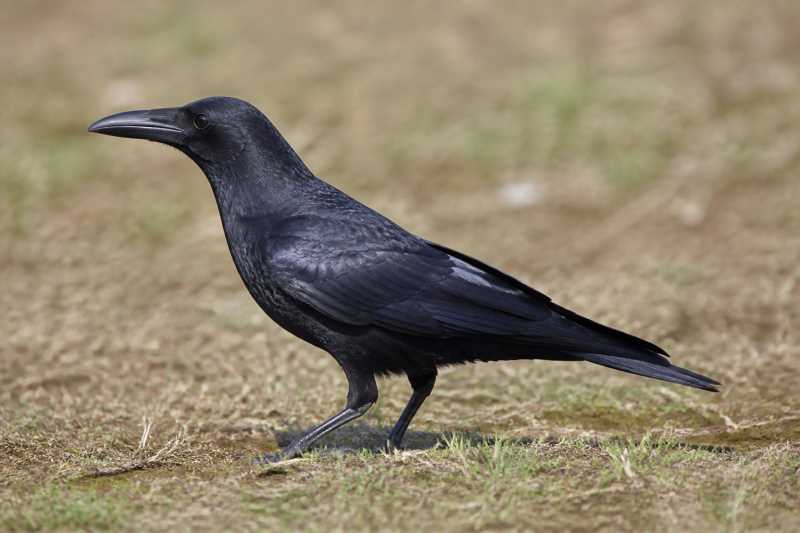
The Long-billed Crow is renowned for its striking appearance. Adults typically measure around 45 to 50 centimeters in length. As its name suggests, the most distinguishing feature of this crow is its long, slightly curved bill, which is significantly longer than that of other crow species. This adaptation is believed to be an evolutionary response to its feeding habits and ecological niche.
The plumage of the Long-billed Crow is predominantly black, exhibiting a glossy sheen that can appear iridescent under sunlight. The bird’s eyes are dark brown, and its legs and feet are robust, adapted for perching and scavenging. Despite its formidable appearance, the Long-billed Crow is known for its intelligence and adaptability, characteristics that are emblematic of the Corvidae family.
Habitat and Distribution
The Long-billed Crow is endemic to the Maluku Islands of Indonesia, with a primary concentration on Halmahera Island. These islands, characterized by their tropical rainforests, provide an ideal habitat for the species. The crows typically inhabit lowland forests and can also be found in secondary forests and forest edges.
The islands’ ecological diversity offers the Long-billed Crow a range of feeding opportunities. Its long bill enables it to access food sources that may be unavailable to other birds, such as insects hiding in crevices or seeds within tough husks. This specialization helps reduce competition with other bird species and underscores the crow’s niche within its ecosystem.
Behavior and Diet
Long-billed Crows are known for their complex social structures and vocal communication. They are often observed in small family groups or pairs. These birds are highly vocal, using a variety of calls to communicate with each other. Their calls can range from harsh caws to more melodious notes, reflecting a rich vocal repertoire.
The diet of the Long-billed Crow is diverse, including insects, fruits, small vertebrates, and carrion. The crow’s long bill is particularly useful for probing into crevices and accessing buried food sources. This opportunistic feeding behavior allows the crow to adapt to seasonal variations in food availability.
Reproduction and Lifespan
Little is known about the specific breeding habits of the Long-billed Crow due to its relatively isolated habitat and the challenges of studying them in the wild. However, like other corvids, they are believed to engage in cooperative breeding, with family groups assisting in the raising of young.
Nesting typically occurs in tall trees, with the female laying a clutch of three to five eggs. Both parents participate in feeding and protecting the chicks until they are ready to fledge. In captivity, corvids have been known to live for over 20 years, although the lifespan of the Long-billed Crow in the wild is likely shorter due to environmental pressures.
Conservation Status
The Long-billed Crow is currently listed as Near Threatened on the International Union for Conservation of Nature (IUCN) Red List. The primary threats to its population include habitat destruction due to logging and agricultural expansion on the Maluku Islands. Additionally, climate change poses a long-term threat to their rainforest habitat.
Conservation efforts are essential to ensure the survival of the Long-billed Crow. Protecting the remaining primary forests and promoting sustainable land-use practices are critical steps. Environmental organizations are working to raise awareness about the importance of preserving these unique ecosystems and the species that inhabit them.
Conclusion
The Long-billed Crow is a remarkable example of avian adaptation and ecological specialization. Its unique physical features, diverse diet, and complex social behaviors highlight the intricate balance of the ecosystems it inhabits. As human activity continues to impact natural habitats, it is imperative to prioritize conservation efforts to protect this and other vulnerable species.
Understanding and preserving the Long-billed Crow is not only crucial for maintaining biodiversity but also for appreciating the rich natural heritage of the Maluku Islands. Continued research and conservation initiatives will be vital in ensuring that future generations can witness the majesty of Corvus validus in its natural habitat.
Related posts