Buru Boobook: The Enigmatic Owl of the Moluccas
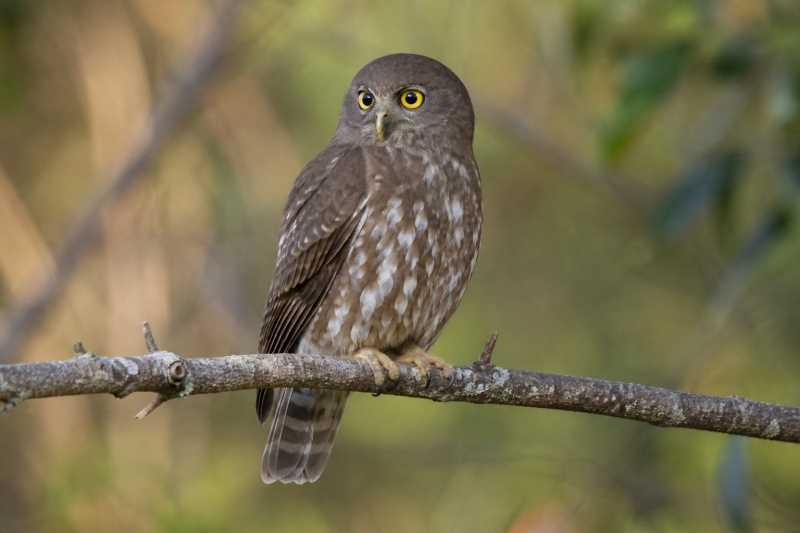
The Buru Boobook (Ninox hantu) is an intriguing and lesser-known species of owl endemic to the island of Buru, part of the Maluku Islands in Indonesia. This nocturnal bird, belonging to the family Strigidae, has captured the fascination of ornithologists and bird enthusiasts alike due to its enigmatic nature and limited geographic range. Unlike more widely studied owl species, the Buru Boobook remains a subject of ongoing research, with many aspects of its behavior and ecology still shrouded in mystery.
Distinctive Characteristics
The Buru Boobook is a relatively small owl, measuring approximately 25 to 30 centimeters in length. Its plumage is predominantly dark brown with a complex pattern of spots and streaks that provide excellent camouflage in its forest habitat. The bird’s facial disk is less pronounced than in some other owl species, giving it a more streamlined appearance. Its large eyes, characteristic of nocturnal hunters, are adapted for enhanced night vision, allowing it to efficiently locate prey in low-light conditions.
One of the most distinctive features of the Buru Boobook is its haunting call, which has earned it the local name “hantu,” meaning ghost or spirit in Indonesian. This eerie vocalization is often heard echoing through the dense forests of Buru, adding an element of mystique to the bird’s presence on the island.
Habitat and Range
The Buru Boobook is exclusively found on Buru Island, inhabiting a range of forest types from lowland rainforests to montane regions. The island’s varied topography provides a mosaic of habitats, supporting a rich biodiversity that includes numerous endemic species. Within these environments, the Buru Boobook occupies a niche as a top nocturnal predator, preying on a variety of small mammals, insects, and other birds.
The conservation status of the Buru Boobook has raised concerns among researchers and conservationists. While the species is currently classified as “Least Concern” by the International Union for Conservation of Nature (IUCN), habitat loss due to logging and agricultural expansion poses a significant threat to its long-term survival. Efforts to study and preserve the unique ecosystems of Buru Island are crucial to ensuring the continued existence of this remarkable owl.
Behavior and Diet
As a nocturnal predator, the Buru Boobook is primarily active during the night, utilizing its keen senses to locate and capture prey. Its diet is varied, consisting of small mammals, such as rodents and bats, as well as insects and other birds. The owl employs silent flight and acute hearing to ambush unsuspecting prey, demonstrating remarkable agility in the dense forest understory.
Breeding behavior in the Buru Boobook is not well-documented, but it is believed to follow a similar pattern to other members of the genus Ninox. Pairs are thought to be monogamous, with both parents involved in raising the young. Nesting typically occurs in tree cavities or other sheltered locations, providing protection from predators and environmental hazards.
Conservation Efforts
Despite its relative obscurity, the Buru Boobook is a flagship species for conservation efforts on Buru Island. Protecting its habitat is crucial not only for the owl’s survival but also for the myriad other species that share its ecosystem. Conservation initiatives focus on mitigating habitat destruction, promoting sustainable land-use practices, and raising awareness about the island’s unique biodiversity.
Research plays a vital role in these efforts, with ongoing studies aimed at better understanding the Buru Boobook’s ecology, distribution, and population dynamics. Such information is essential for developing effective conservation strategies and ensuring the long-term survival of this enigmatic species.
Cultural Significance
The Buru Boobook holds cultural significance for the indigenous communities of Buru Island, who have long regarded it as a symbol of mystery and the supernatural. Its haunting call and elusive nature have inspired folklore and traditional beliefs, highlighting the deep connection between the island’s people and their natural environment.
Efforts to engage local communities in conservation initiatives are crucial, as their traditional knowledge and stewardship play a vital role in preserving the island’s unique ecosystems. By fostering a sense of pride and responsibility for the Buru Boobook and its habitat, conservationists hope to secure a future where this remarkable owl continues to thrive in its natural home.
In conclusion, the Buru Boobook is a testament to the rich biodiversity and ecological importance of Buru Island. Protecting this enigmatic species requires a concerted effort from researchers, conservationists, and local communities alike, ensuring that the haunting call of the Buru Boobook continues to echo through the forests of the Moluccas for generations to come.
Related posts