The Mottled Petrel: An Enigmatic Seafarer of the Pacific
The Mottled Petrel, scientifically known as *Pterodroma inexpectata*, is a captivating seabird that has intrigued ornithologists and birdwatchers alike. Known for its remarkable long-distance flying capabilities and distinctive plumage, this avian species is a testament to nature’s ability to adapt and thrive in some of the planet’s most challenging environments. In this article, we delve deep into the life and characteristics of the Mottled Petrel, exploring its habitat, behavior, and the conservation efforts aimed at ensuring its survival.
Taxonomy and Physical Characteristics
The Mottled Petrel belongs to the family Procellariidae, which encompasses a diverse group of seabirds known as petrels and shearwaters. The species name, *inexpectata*, reflects the bird’s surprising and often elusive nature, as it was not initially expected to inhabit such far-reaching areas of the Pacific Ocean.
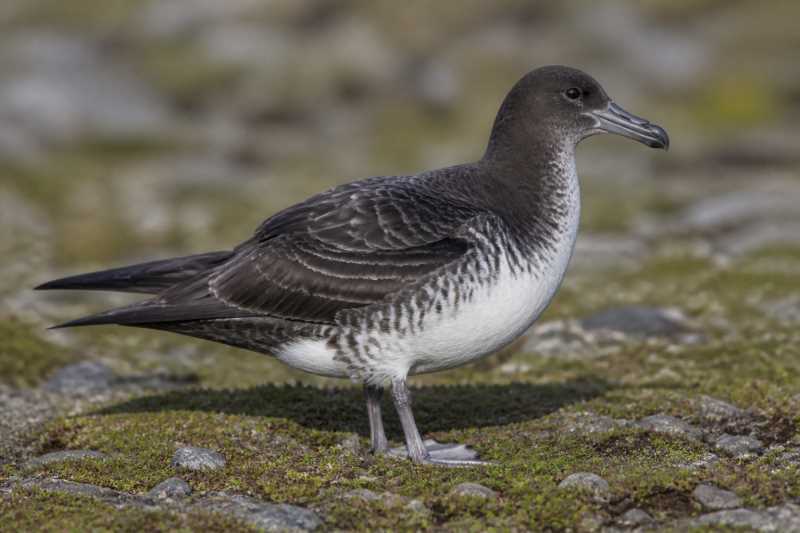
This medium-sized petrel is distinguished by its mottled grey and white plumage, which provides excellent camouflage against the ocean’s surface. Adults typically measure between 35 to 40 centimeters in length, with a wingspan ranging from 80 to 90 centimeters. The bird’s short tail and relatively long wings are adapted for dynamic soaring, allowing it to cover vast distances with minimal energy expenditure.
Distribution and Habitat
Primarily a pelagic bird, the Mottled Petrel is found across the Pacific Ocean, with breeding populations concentrated in the southern hemisphere. Its primary breeding grounds are located on islands off the coast of New Zealand, notably the Auckland Islands and Campbell Island. During the non-breeding season, these birds embark on extensive migratory journeys, reaching as far north as the central and eastern North Pacific, including the waters off the coasts of Japan and the western United States.
Mottled Petrels are oceanic by nature, rarely coming ashore except to breed. Their preferred habitats are open seas and oceanic islands, where they are well-adapted to exploit the rich marine resources.
Feeding Behavior
The diet of the Mottled Petrel primarily consists of squid, fish, and crustaceans. They are opportunistic feeders, employing a variety of foraging techniques to capture prey. These birds are known to dive into the water to catch their food, although they can also snatch prey from the surface while in flight. The ability to cover large distances allows them to exploit widely dispersed food resources, a crucial trait for survival in the vast expanses of the Pacific Ocean.
Breeding and Lifecycle
Breeding takes place during the austral summer, from November to March. Mottled Petrels are colonial nesters, often forming large, dense colonies on remote islands. They nest in burrows or rock crevices, which provide protection from predators and harsh weather conditions.
The breeding cycle begins with courtship displays and pair bonding, followed by the female laying a single egg. Both parents share incubation duties, which last for about 50 days. After hatching, the chick is cared for by both parents, who take turns foraging for food and returning to the nest to feed the young. Fledging occurs approximately three months after hatching, at which point the juvenile petrel is ready to embark on its first oceanic journey.
Conservation Status and Threats
The IUCN currently classifies the Mottled Petrel as Near Threatened. While their population is not yet in critical decline, several factors pose significant threats to their survival. Habitat degradation, particularly on breeding islands, is a major concern. Introduced predators such as rats and cats have historically decimated petrel populations by preying on eggs and chicks.
Climate change also presents a looming threat by altering oceanic conditions and food availability. Changes in sea surface temperatures and unpredictable weather patterns can affect the distribution of prey species, impacting the petrels’ ability to find adequate food.
Conservation Efforts
Efforts to protect and conserve Mottled Petrel populations focus on habitat restoration and predator control on breeding islands. Conservation organizations are working to eradicate invasive species and implement measures to prevent their reintroduction. Additionally, monitoring programs are essential for tracking population trends and assessing the effectiveness of conservation strategies.
Public awareness and international cooperation are also critical components of conservation efforts. By fostering a greater understanding of the ecological importance of seabirds like the Mottled Petrel, conservationists hope to garner support for initiatives designed to safeguard their future.
Conclusion
The Mottled Petrel is a remarkable example of avian adaptation to life in the open ocean. Its survival hinges on the continued efforts to mitigate threats and preserve its natural habitat. As we deepen our understanding of these enigmatic birds, it becomes increasingly clear that their conservation is not only vital for maintaining biodiversity but also for preserving the intricate balance of our planet’s marine ecosystems.
Related posts