The Herald Petrel: Guardian of the Open Seas
The vast expanses of the world’s oceans are home to various remarkable avian species, one of which is the Herald Petrel (Pterodroma heraldica). This seabird, a member of the Procellariidae family, is a testament to the adaptability and resilience of marine life. Known for its graceful flight and enigmatic migratory patterns, the Herald Petrel is a subject of interest among ornithologists and bird enthusiasts alike.
Taxonomy and Description
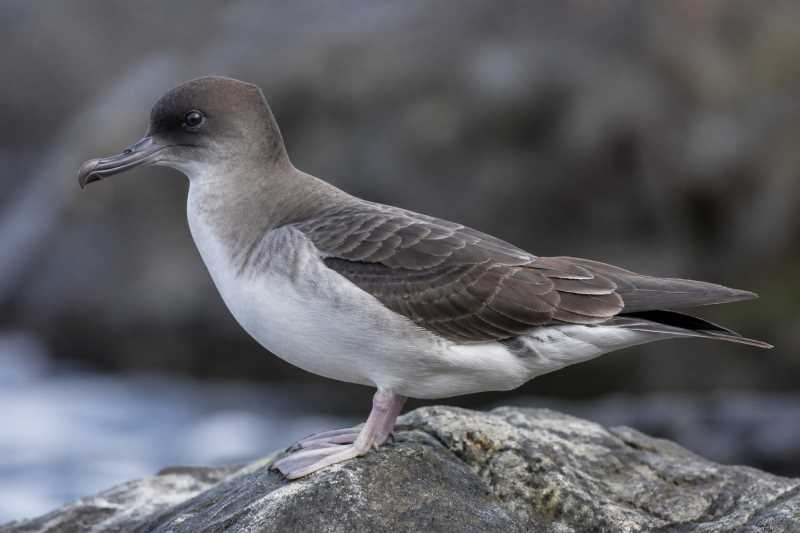
The Herald Petrel was first described by English ornithologist George Robert Gray in 1855. It is a medium-sized petrel, measuring approximately 35 to 39 cm in length, with a wingspan of 88 to 102 cm. The species exhibits sexual dimorphism, with males generally larger than females. The plumage of the Herald Petrel varies from dark to light morphs, a characteristic that allows it to blend seamlessly into its environment.
The dark morph is predominantly sooty-brown, with a slightly paler face and underparts, while the light morph features a contrasting white belly and underwings. Both morphs possess a distinct dark cap and a characteristic dark ‘M’ pattern across their upper wings. This species is known for its slender, hooked bill, adapted for a diet primarily consisting of squid and small fish.
Habitat and Distribution
The Herald Petrel is primarily pelagic, spending the majority of its life far out at sea. It breeds on remote islands in the Pacific Ocean, such as Raine Island in Australia and Ducie Island in the Pitcairn group. These isolated locations provide a safe haven from terrestrial predators, allowing the petrel to nest and rear its young.
The species is known for its incredible migratory journeys, though the specifics of these migrations remain partially understood. Satellite tracking and banding studies have provided insights into their extensive range, which includes the central and western Pacific Ocean, stretching as far as the Indian Ocean. Their ability to cover vast distances in search of food is facilitated by their dynamic soaring flight, which allows them to exploit the ocean winds efficiently.
Breeding and Behavior
Breeding colonies of the Herald Petrel are typically located on islands with minimal human disturbance. They nest in burrows or natural crevices, which provide protection from weather and predators. The breeding season varies depending on the location, but generally occurs between May and October.
The species is monogamous, with pairs often forming lifelong bonds. They engage in elaborate courtship displays, which include synchronized flying and vocalizations. Once a pair bonds, they share the responsibilities of incubating a single egg and rearing the chick. Incubation lasts approximately 50 days, followed by a fledging period of up to 100 days, during which both parents feed the chick by regurgitating partially digested food.
Conservation Status and Threats
The Herald Petrel is currently listed as “Vulnerable” on the IUCN Red List. The primary threats to the species include habitat destruction due to human activities, such as tourism and construction on breeding islands, and the introduction of invasive species, particularly rats and cats, which prey on eggs and chicks.
Climate change also poses a significant threat, as rising sea levels and increased storm frequency can lead to habitat loss and reduced breeding success. Conservation efforts are focused on protecting breeding sites, controlling invasive species, and conducting further research to better understand their ecology and inform conservation strategies.
Importance and Ecological Role
As a top predator in the marine ecosystem, the Herald Petrel plays a vital role in maintaining the balance of oceanic food webs. By feeding on squid and small fish, they help regulate prey populations, indirectly supporting the health of the marine environment. Additionally, their presence indicates the health of the ocean, as they are sensitive to changes in marine conditions.
The study of the Herald Petrel also contributes to our understanding of seabird ecology, migration, and the impacts of environmental changes. They serve as bioindicators, helping scientists assess the effects of climate change and human activity on marine ecosystems.
Conclusion
The Herald Petrel is a captivating species emblematic of the challenges faced by seabirds in the modern world. Its survival hinges on our ability to understand and mitigate the threats it faces. Through continued research and conservation efforts, we can help ensure that this guardian of the open seas continues to grace our oceans for generations to come.
Related posts