Introduction to the Black-masked Finch (Coryphaspiza melanotis)
The Black-masked Finch, scientifically known as Coryphaspiza melanotis, is an intriguing bird species celebrated for its striking appearance and unique behaviors. Native to South America, this bird primarily inhabits the grasslands and savannas, often seen flitting through the tall grasses in search of food. Recognizable by its distinctive black mask and subtle coloration, the Black-masked Finch remains a subject of interest for ornithologists and bird enthusiasts alike.
Taxonomy and Classification
Belonging to the family Thraupidae, the Black-masked Finch is part of a group of birds commonly known as tanagers. Although its common name includes ‘finch,’ it is not closely related to the true finches of the family Fringillidae. The genus Coryphaspiza is monotypic, meaning it contains only this single species, underscoring its unique evolutionary path among its relatives.
Physical Characteristics
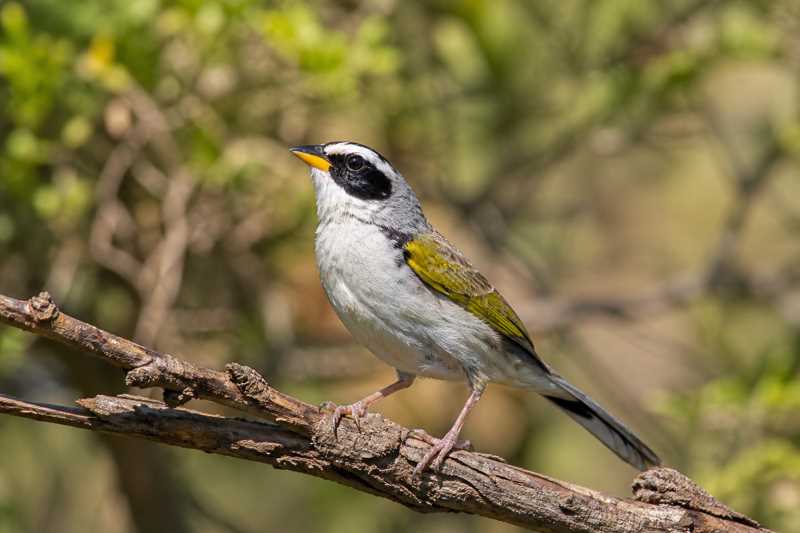
The Black-masked Finch is a medium-sized bird, measuring approximately 13 to 15 centimeters in length. Its most notable feature is the black facial mask that stretches from the beak through the eyes, creating a stark contrast with its otherwise muted plumage. The body is adorned with a blend of earthy tones, including olive-brown and grey, which provides excellent camouflage among the grasslands. The wings and tail feathers are subtly barred, adding to its aesthetic appeal.
Habitat and Distribution
This species is predominantly found in the central regions of South America, with populations in countries such as Brazil, Paraguay, and Argentina. The Black-masked Finch favors open grasslands, pampas, and savannas, where it can easily forage for seeds and insects. These birds are highly adapted to their environment, using their coloration to blend seamlessly into their surroundings, thereby avoiding predators.
Behavior and Ecology
Black-masked Finches are diurnal, spending most of their day actively foraging. They exhibit a preference for feeding on the ground, sifting through the grass in search of seeds and small insects. During the breeding season, these birds become more territorial, often seen defending their nesting sites from intruders. The intricate calls and songs they produce are essential for communication, especially during courtship and territorial disputes.
Breeding and Reproduction
The breeding season of the Black-masked Finch typically coincides with the warmer months when food is abundant. Males attract females through elaborate displays that include singing and showcasing their plumage. Once a pair forms, they work together to build a nest, usually hidden within dense grass to protect their eggs from predators. The female lays between two to four eggs, which she incubates for about two weeks. Both parents share the responsibility of feeding the chicks, which fledge approximately two to three weeks after hatching.
Conservation Status
Currently, the Black-masked Finch is listed as ‘Least Concern’ by the IUCN Red List, largely due to its wide distribution and stable population numbers. However, habitat destruction caused by agricultural expansion and deforestation poses a significant threat to its natural habitats. Conservation efforts are essential to ensure the preservation of these grasslands, which support not only the Black-masked Finch but also numerous other species.
Human Interaction and Cultural Significance
The Black-masked Finch holds particular interest among birdwatchers and researchers, contributing to ecotourism in regions where they are found. While they are not commonly kept as pets, their presence in the wild offers valuable insights into the health of grassland ecosystems. Furthermore, their role in seed dispersal and insect control highlights their ecological importance.
Conclusion
The Black-masked Finch, with its striking appearance and fascinating behaviors, continues to captivate those who study it. Preserving its habitats is crucial to maintaining the ecological balance of the regions it inhabits. As we deepen our understanding of this remarkable species, we can better appreciate the diverse tapestry of life that it represents.
Related posts