White-beaked Dolphin (Lagenorhynchus albirostris)
Introduction
The White-beaked Dolphin, scientifically known as Lagenorhynchus albirostris, is a captivating marine mammal that inhabits the cold and temperate waters of the North Atlantic Ocean. Known for their playful nature and striking appearance, these dolphins are a favorite among marine enthusiasts and researchers alike. This comprehensive article delves into various aspects of the White-beaked Dolphin, including their physical characteristics, habitat, behavior, and conservation status, offering a detailed insight for anyone interested in these remarkable creatures.
Physical Description
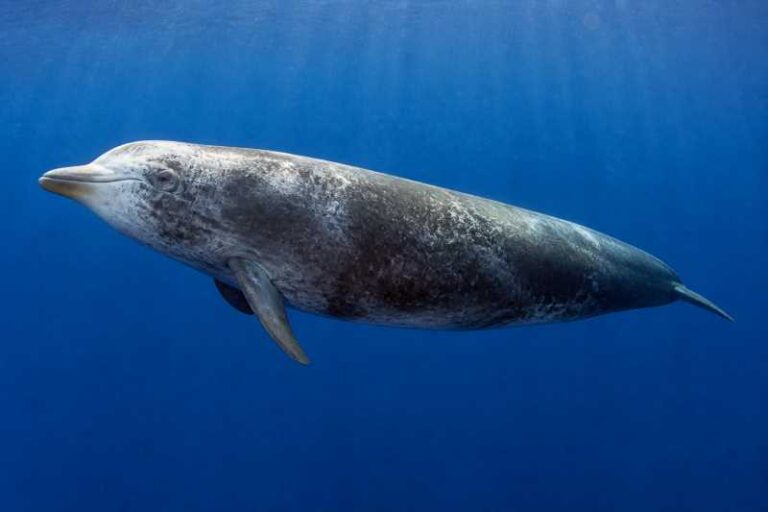
White-beaked Dolphins are medium-sized cetaceans, typically ranging from 2.4 to 3.1 meters (7.9 to 10.2 feet) in length and weighing between 180 to 354 kilograms (397 to 780 pounds). As their name suggests, one of the most distinctive features of these dolphins is their white or light gray beak. However, not all individuals have completely white beaks, as some exhibit darker tones.
Their bodies are robust and streamlined, with a predominantly dark gray to black dorsal coloration that transitions into lighter shades on their flanks. A unique characteristic is the presence of a white patch behind the dorsal fin and lighter gray to almost white patterns on the sides, which can vary significantly among individuals. This variability in coloration aids in individual identification during research studies.
The dorsal fin of the White-beaked Dolphin is tall and falcate, providing stability and agility in the water. Their flippers are also pointed and curved, contributing to their remarkable swimming abilities.
Range and Habitat
White-beaked Dolphins are native to the cold and temperate waters of the North Atlantic Ocean. Their range extends from the eastern coast of North America, including Newfoundland and Labrador, to the western coasts of Europe, such as the British Isles and the Scandinavian Peninsula. They are also found around Iceland and in the Barents Sea.
These dolphins prefer deeper offshore waters but are also known to inhabit coastal areas, especially during the summer months when they move closer to shore for feeding. They thrive in waters with temperatures ranging from 2°C to 15°C (36°F to 59°F), typically favoring regions with strong currents and abundant prey.
Behavior and Diet
White-beaked Dolphins are highly social animals, often seen in groups called pods that can range from a few individuals to over a hundred. These pods are dynamic, with individuals frequently joining or leaving, indicating complex social structures and interactions. They are known for their acrobatic displays, frequently leaping out of the water and riding the bow waves of boats, which makes them a delightful sight for observers.
Their diet primarily consists of a variety of fish and squid, with herring, cod, haddock, and mackerel being common prey items. They are opportunistic feeders and may also consume crustaceans and other invertebrates. White-beaked Dolphins use echolocation to locate prey, emitting clicks that bounce off objects and return, providing them with detailed information about their surroundings.
Identification Tips
Identifying White-beaked Dolphins in the field can be a rewarding experience for wildlife enthusiasts. Here are some tips to help recognize these remarkable creatures:
- Beak Coloration: Look for the characteristic white or light gray beak, although be mindful that some individuals may have darker shades.
- Body Patterns: Observe the unique white patch behind the dorsal fin and the varying light gray patterns on the sides.
- Size and Shape: Note the robust, streamlined body and the tall, falcate dorsal fin.
- Behavior: Watch for their acrobatic displays, such as leaping and bow-riding, which are typical of this species.
Conservation Status
As of the latest assessments, the White-beaked Dolphin is classified as "Least Concern" on the IUCN Red List. However, like many marine species, they face several threats that could impact their populations in the future.
Threats
- Bycatch: One of the significant threats to White-beaked Dolphins is accidental capture in fishing gear, particularly gillnets and trawl nets, which can lead to injury or death.
- Pollution: Marine pollution, including plastic debris and chemical contaminants, poses a serious risk to their health and habitat.
- Climate Change: Changes in sea temperatures and prey distribution due to climate change can affect their feeding patterns and habitat range.
Protections
International agreements such as the Convention on the Conservation of Migratory Species of Wild Animals (CMS) and regional efforts like the Agreement on the Conservation of Small Cetaceans of the Baltic, North East Atlantic, Irish and North Seas (ASCOBANS) aim to protect these dolphins and their habitats. Conservation measures also include monitoring populations and implementing fishing regulations to minimize bycatch.
Frequently Asked Questions
What do White-beaked Dolphins eat?
White-beaked Dolphins have a varied diet that includes fish such as herring, cod, haddock, and mackerel, along with squid and occasionally crustaceans. They are opportunistic feeders and use echolocation to hunt efficiently.
Where can White-beaked Dolphins be found?
These dolphins are found in the cold and temperate waters of the North Atlantic Ocean, from North America’s eastern coast to Europe’s western shores, around Iceland, and in the Barents Sea.
How do White-beaked Dolphins communicate?
White-beaked Dolphins communicate using a range of vocalizations, including clicks, whistles, and pulses, which are used for social interactions and echolocation to locate prey and navigate their environment.
Are White-beaked Dolphins endangered?
Currently, White-beaked Dolphins are classified as "Least Concern" by the IUCN, but they face threats such as bycatch, pollution, and climate change that could impact their populations.
How can I identify a White-beaked Dolphin?
Look for their distinctive white or light gray beak, robust body, tall dorsal fin, and unique white and gray patterns on their sides. Their playful behavior, including leaping and bow-riding, is also a key identification cue.
Related posts