Introduction
The Angolan Slender Mongoose (Herpestes flavescens) is a fascinating mammal species that inhabits the diverse landscapes of Southern Africa. Known for its sleek appearance and agile movements, this mongoose species is a remarkable example of adaptability and survival in the wild. In this article, we delve into the intriguing world of the Angolan Slender Mongoose, exploring its physical characteristics, habitat preferences, behavior, and the conservation efforts in place to protect this unique species.
Physical Description
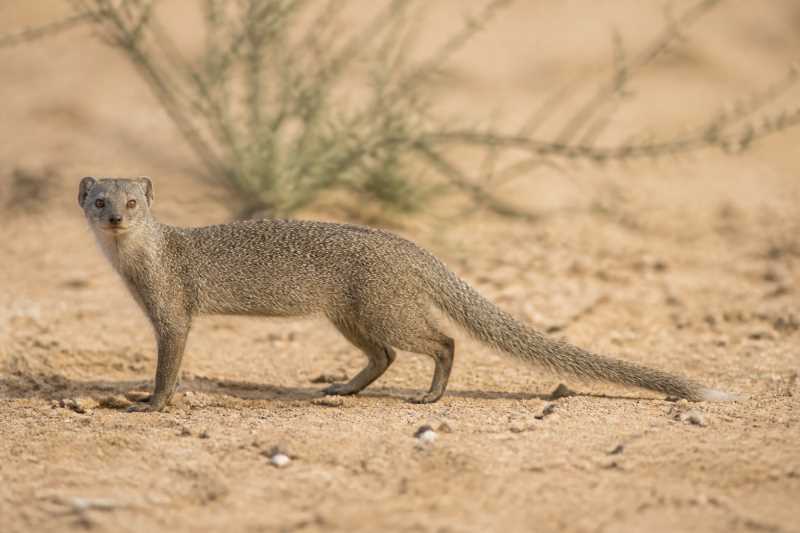
The Angolan Slender Mongoose is aptly named for its elongated, slender body, which aids in its nimble movement across various terrains. This mongoose species typically measures between 30 to 45 centimeters in body length, with a tail that extends an additional 25 to 40 centimeters. The combined length and slender physique contribute to its agility and speed, crucial for evading predators and capturing prey.
The fur of the Angolan Slender Mongoose is predominantly a tawny yellowish-brown color, providing excellent camouflage against the dry grasses and scrublands it often inhabits. Its coat may have a slight orange hue, depending on the individual and the season. The underparts are usually lighter, often a creamy white, which aids in thermoregulation.
One of the distinguishing features of this species is its pointed snout and sharp claws, adapted for digging and hunting. The ears are small and rounded, while the eyes are keen and well-adapted for detecting movement, making it an effective hunter.
Range and Habitat
The Angolan Slender Mongoose is primarily found in the southern regions of Africa, with its range extending through Angola, Namibia, and parts of Botswana and Zambia. These regions offer the ideal habitat conditions that support the mongoose’s ecological needs.
Preferentially, the Angolan Slender Mongoose inhabits savannas, grasslands, and semi-arid scrublands. These areas provide ample cover and a rich supply of prey species. The mongoose is often associated with areas that have ample termite mounds, rocky outcrops, and dense shrubbery, which offer protection from predators and harsh weather conditions.
Behavior and Diet
The Angolan Slender Mongoose is primarily diurnal, meaning it is most active during the day. This behavior is advantageous for avoiding nocturnal predators and maximizing the availability of prey. However, during extremely hot periods, they may become crepuscular, being most active during the cooler dawn and dusk hours.
This mongoose species is solitary or lives in small family groups. They are territorial animals, marking their territory using scent glands located around their anus and cheeks. Communication among mongoose involves vocalizations, body postures, and scent markings.
Dietary habits of the Angolan Slender Mongoose are primarily carnivorous. They feed on a wide variety of prey, including insects, small rodents, birds, and reptiles. The mongoose is known for its adeptness at hunting snakes, utilizing its agility and quick reflexes to avoid strikes while delivering a fatal bite to the snake’s head.
Identification Tips (Field Recognition Cues)
Identifying the Angolan Slender Mongoose in the wild can be challenging due to its elusive nature and habitat overlap with other mongoose species. Here are some key identification tips:
- Body Shape and Size: Look for a long, slender body with a proportionally long tail. The overall size is relatively small compared to other mongoose species.
- Fur Color: Note the tawny yellowish-brown fur, with lighter underparts. The coat may have a slight orange tint.
- Behavior: Observe the mongoose’s behavior during daylight hours. They are often seen moving quickly and stealthily through grasslands and scrub.
- Habitat: Consider the habitat. They are typically found in savannas, semi-arid regions, and areas with termite mounds and rocky outcrops.
- Vocalizations: Listen for distinctive vocalizations, which include a series of chirps and growls used for communication.
Conservation Status (with Threats and Protections)
The Angolan Slender Mongoose is currently classified as "Least Concern" by the International Union for Conservation of Nature (IUCN). Despite this classification, the species faces several threats that could impact its population numbers if not addressed.
Threats
- Habitat Loss: Agricultural expansion, deforestation, and urbanization are leading to the loss of natural habitats, forcing mongooses into smaller, fragmented areas.
- Human-Wildlife Conflict: As human populations expand into mongoose territories, conflicts arise, particularly when mongooses are perceived as threats to livestock or crops.
- Poaching and Illegal Trade: Although not a major threat, some regions report poaching for bushmeat and illegal pet trade.
Protections
- Protected Areas: Some of the mongoose’s range falls within protected areas and wildlife reserves, offering some level of habitat protection.
- Conservation Awareness: Efforts to raise awareness about the species and its ecological role are crucial. Environmental education programs can help reduce human-wildlife conflict.
- Research and Monitoring: Ongoing research and population monitoring help track the species’ status and inform conservation strategies.
Frequently Asked Questions
What does the Angolan Slender Mongoose eat?
The Angolan Slender Mongoose has a carnivorous diet, primarily feeding on insects, small rodents, birds, and reptiles. They are skilled hunters and are known for preying on snakes, utilizing their agility and quick reflexes to avoid strikes.
Where can I find the Angolan Slender Mongoose?
This mongoose species is found in the southern regions of Africa, particularly in Angola, Namibia, and parts of Botswana and Zambia. They inhabit savannas, grasslands, and semi-arid scrublands, often near termite mounds and rocky outcrops.
How does the Angolan Slender Mongoose communicate?
Communication among Angolan Slender Mongooses involves vocalizations, body postures, and scent markings. They use a series of chirps, growls, and scent gland secretions to mark territory and communicate with other mongooses.
Is the Angolan Slender Mongoose endangered?
Currently, the Angolan Slender Mongoose is classified as "Least Concern" by the IUCN. However, habitat loss, human-wildlife conflict, and illegal trade pose potential threats that could impact their populations if not managed.
How can I identify an Angolan Slender Mongoose in the wild?
To identify an Angolan Slender Mongoose, look for a long, slender body with a tawny yellowish-brown coat and lighter underparts. They are agile and often seen during daylight in savannas and semi-arid areas. Listen for their distinctive vocalizations, including chirps and growls.
Related posts