Introduction
The Culpeo, scientifically known as Lycalopex culpaeus, is a fascinating canid native to South America. Often referred to as the Andean fox, the Culpeo plays a critical role in its ecosystem, serving as both predator and prey. This medium-sized carnivore is an integral part of the biodiversity in the regions it inhabits, contributing to the ecological balance. Understanding the Culpeo’s characteristics, habitat, and conservation status is crucial for both wildlife enthusiasts and conservationists.
Physical Description
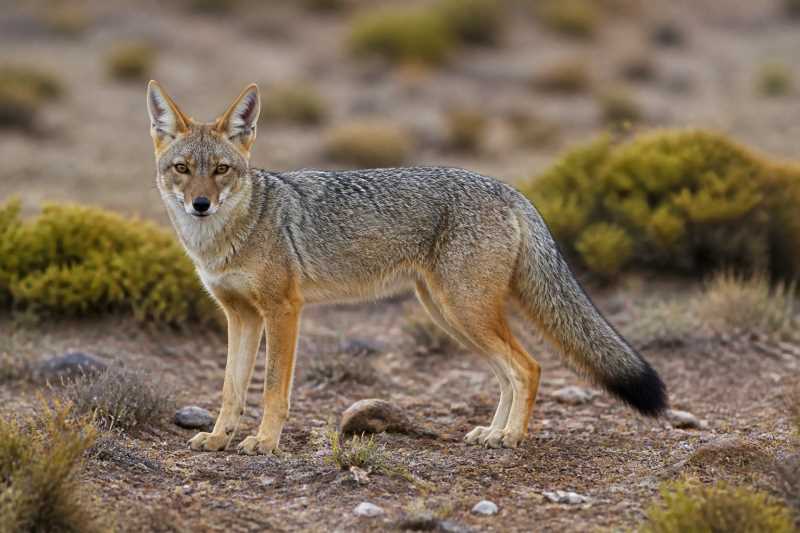
The Culpeo is a robust and agile mammal characterized by its striking appearance and adaptability. It exhibits a thick coat that varies in color from a reddish-grey to tawny, providing excellent camouflage in its natural habitat. The underparts are typically lighter, often with a whitish or pale gray hue. The Culpeo has a bushy tail with a distinct black tip, while its legs and ears often have a reddish tint.
Adults typically measure between 95 to 132 centimeters in total length, including the tail, which accounts for about 30 to 45 centimeters. The shoulder height ranges from 36 to 46 centimeters, and they weigh between 5 to 14 kilograms, with some variation across different regions and subspecies. Their pointed ears and elongated snout contribute to their alert and intelligent demeanor.
Range and Habitat
The Culpeo is predominantly found across the western regions of South America, inhabiting a diverse range of environments. Their distribution extends from Ecuador and Peru down through Chile and Argentina, reaching as far south as Tierra del Fuego. They are also found in Bolivia and have been spotted in parts of Paraguay.
Their adaptability allows them to thrive in various habitats, including arid deserts, coastal regions, mountainous areas, and scrublands. However, they are most commonly associated with the Andean region, where they inhabit altitudes ranging from sea level to over 4,500 meters. This wide altitude range demonstrates their remarkable adaptability to different environmental conditions.
Behavior and Diet
Culpeos are primarily solitary animals, though they may occasionally be observed in pairs or small family groups. They are crepuscular, being most active during dawn and dusk. Their keen sense of hearing and smell aids them in locating prey, which consists of a diverse diet.
These opportunistic feeders primarily prey on small mammals such as rodents and rabbits. However, they are known to adapt their diet based on availability, consuming birds, reptiles, insects, and even carrion when necessary. In agricultural areas, they may prey on domestic poultry, leading to conflicts with humans.
Their hunting technique involves a combination of stealth and speed, often stalking prey before a quick pursuit. They play a vital ecological role by controlling the population of their prey species, thus maintaining balance within their ecosystem.
Identification Tips
Identifying a Culpeo in the wild involves observing several key characteristics:
- Coat Color: Look for their reddish-grey coat with a lighter underbelly and reddish legs.
- Tail: Note the bushy tail with a distinct black tip.
- Size: Medium-sized with a body length of 95–132 cm, including the tail.
- Ears and Snout: Pointed ears and an elongated snout are distinctive features.
- Behavior: Observe their solitary or pair-based hunting patterns, particularly during dawn and dusk.
Conservation Status
The Culpeo is currently classified as "Least Concern" by the International Union for Conservation of Nature (IUCN). Despite this classification, they face several threats that could impact their populations if not managed properly.
Threats
- Habitat Loss: Urbanization and agricultural expansion have led to habitat fragmentation.
- Human Conflict: Predation on livestock results in persecution by farmers.
- Hunting and Poaching: In some regions, they are hunted for their fur and perceived as pests.
Protections
Efforts to conserve the Culpeo include:
- Protected Areas: Establishment of national parks and reserves.
- Public Awareness: Education programs to reduce human-wildlife conflict.
- Legislation: Implementing hunting regulations and protection laws.
Conservationists are working to ensure that the Culpeo’s habitat is preserved, promoting coexistence with agricultural communities and reducing direct threats.
Frequently Asked Questions
What is the average lifespan of a Culpeo in the wild?
Culpeos generally live up to 10 years in the wild, although factors such as predation and human interference can affect their lifespan.
How do Culpeos communicate with each other?
Culpeos communicate using vocalizations, body language, and scent marking. Their vocal range includes barks and howls used to establish territory and during mating.
Are Culpeos dangerous to humans?
Culpeos are generally not a threat to humans. They tend to avoid human interaction and are more concerned with hunting small prey. However, they may pose a risk to small livestock if they are nearby.
How do Culpeos adapt to different environments?
Their adaptability is due to their diverse diet and ability to live in a wide range of habitats, from deserts to high-altitude Andes, allowing them to survive in varying conditions.
What efforts are being made to protect the Culpeo?
Conservation efforts include protecting their habitats through national parks, educating the public on human-wildlife conflict, and enforcing hunting regulations to prevent poaching.
Related posts