Introduction
The brown bear (Ursus arctos) is one of the most iconic and widespread bear species in the world. Known for their impressive size and omnivorous diet, these magnificent mammals inhabit a diverse range of environments from the forests and mountains of North America to the remote tundras of Eurasia. As an apex predator and a keystone species, brown bears play a crucial role in maintaining the balance of their ecosystems. This article delves into the various aspects of the brown bear, including their physical description, range and habitat, behavior and diet, identification tips, and conservation status.
Physical Description
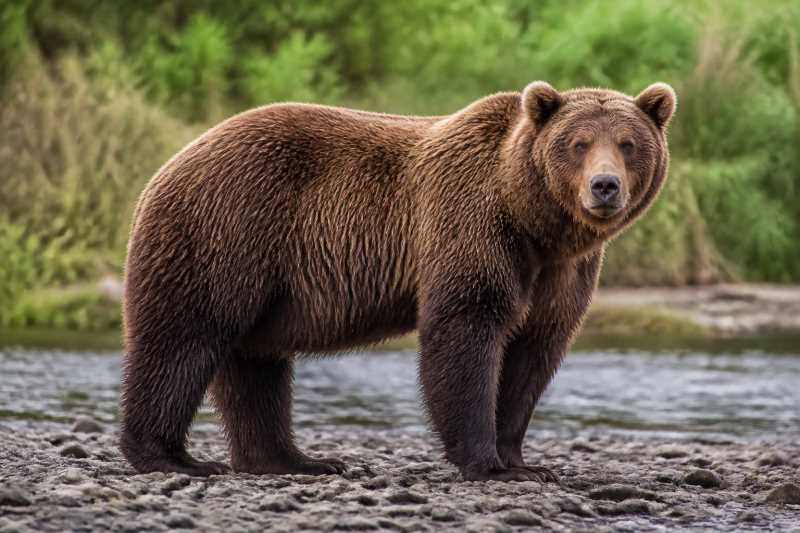
Brown bears are among the largest terrestrial carnivores, with adults typically weighing between 300 and 860 pounds (136 to 390 kilograms), though some subspecies can exceed 1,000 pounds (450 kilograms). They have a robust build with a large, rounded head, small ears, and a distinctive shoulder hump made of powerful muscles used for digging. Their fur can vary in color from dark brown to a lighter golden hue, depending on the geographical location and season. The claws of a brown bear are long and powerful, measuring about 2 to 4 inches (5 to 10 centimeters), which they use for digging and tearing apart logs in search of food.
Range and Habitat
Brown bears have a vast geographical range that spans North America, Europe, and Asia. In North America, they are primarily found in Alaska, western Canada, and some parts of the northwestern United States. In Eurasia, their range extends from Scandinavia and Eastern Europe to Russia and parts of Central Asia. Brown bears are highly adaptable and can thrive in a variety of habitats including forests, mountains, tundra, and even coastal areas. They prefer regions with dense vegetation and abundant food sources, such as berries, fish, and small mammals.
Behavior and Diet
Brown bears are solitary animals, with the exception of mothers with cubs and during the mating season. They are primarily crepuscular, being most active during dawn and dusk. Their diet is highly varied and opportunistic, consisting of both plant and animal matter. While they are considered carnivores, up to 90% of their diet can be plant-based, including berries, roots, and grasses. They also hunt small mammals, fish, and occasionally larger animals like moose or deer. Brown bears are known for their ability to catch salmon during spawning runs, a critical food source that helps them gain the fat reserves needed for hibernation.
Identification Tips (Field Recognition Cues)
Identifying a brown bear in the wild can be done by observing several key characteristics. Look for a large, bulky body with a pronounced shoulder hump, which is absent in black bears. Their fur can range from dark brown to blonde, but the presence of the shoulder hump is a definitive feature. Brown bears have a dished facial profile and longer claws compared to other bear species. Observers should also note their behavior; brown bears tend to forage in open areas and are less adept at climbing trees than black bears.
Conservation Status (With Threats and Protections)
The conservation status of the brown bear varies by region, with some populations stable and others threatened. Globally, the brown bear is listed as a species of least concern by the International Union for Conservation of Nature (IUCN), but local populations face significant threats. Habitat loss due to human encroachment, climate change, and illegal poaching are major challenges. Conservation efforts include habitat protection, legal protections under various national laws, and public education to reduce human-bear conflicts. In Europe, the Habitats Directive provides legal protection, while in North America, conservation programs focus on habitat preservation and conflict mitigation.
Frequently Asked Questions
How can I differentiate between a brown bear and a black bear?
The most noticeable difference is the shoulder hump, which is prominent in brown bears but absent in black bears. Brown bears also have longer claws and a dished facial profile, while black bears have a straighter face and shorter claws.
What do brown bears eat during the hibernation preparation period?
During late summer and early fall, brown bears enter a hyperphagic phase where they consume large amounts of food to build fat reserves for hibernation. They primarily eat salmon, berries, nuts, and small mammals during this time.
Are brown bears dangerous to humans?
While brown bears generally avoid human contact, they can be dangerous if they feel threatened or surprised. It is important to maintain a safe distance and store food properly when in bear country to minimize encounters.
How do brown bears contribute to their ecosystem?
Brown bears are keystone species that help control prey populations and disperse seeds through their scat. Their digging behavior also aerates the soil and promotes new plant growth.
What measures are in place to protect brown bears?
Conservation measures include habitat protection, legal protections, and conflict mitigation programs. Public education and research are also critical components of brown bear conservation efforts.
Related posts