Introduction
The Philippine Dusky Roundleaf Bat, scientifically known as Hipposideros antricola, is a fascinating yet under-researched species of bat endemic to the Philippines. Recognized for its unique echolocation abilities and distinctive physical features, this bat plays a crucial role in its native ecosystem. As with many endemic species, understanding the Philippine Dusky Roundleaf Bat is essential for biodiversity conservation efforts in the region. This article delves into the various aspects of this species, including its physical description, habitat, behavior, and conservation status, to provide a comprehensive overview for researchers, conservationists, and bat enthusiasts alike.
Physical Description
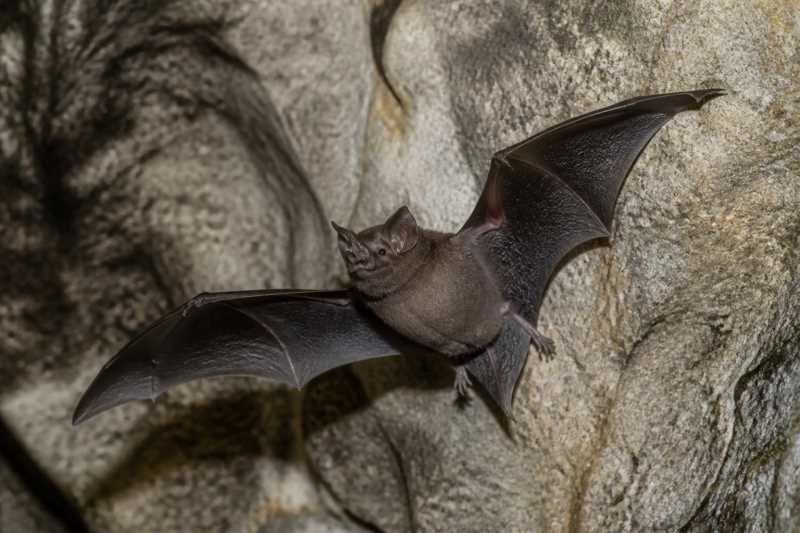
The Philippine Dusky Roundleaf Bat is a medium-sized bat species distinguished by its unique facial features. The most notable is its roundleaf-shaped nose, which is an adaptation that aids in its sophisticated echolocation system. The bat’s fur is typically a dusky brown, which provides effective camouflage in its natural habitat.
The wings of the Hipposideros antricola are relatively short and broad, facilitating maneuverability in dense forest environments. Its ears are moderately large, with a pointed tip, further aiding in sound detection. The average body length of this species ranges from 50 to 65 mm, with a wingspan of approximately 300 mm. This compact size allows it to navigate through the intricate forest canopy with ease.
Males and females of the species exhibit similar physical characteristics, though sexual dimorphism is observed in terms of size, with females generally being slightly larger.
Range and Habitat
The Philippine Dusky Roundleaf Bat is endemic to the Philippines, with its presence primarily recorded across several islands, including Luzon, Mindanao, and the Visayas. This species thrives in lowland forests, particularly those with limestone caves, which serve as roosting sites.
These bats are typically found in moist, tropical environments where they can exploit a rich diversity of insects for food. The availability of suitable roosting sites such as caves, hollow trees, and even abandoned structures is crucial for their survival. As a result, the conservation of forest habitats in the Philippines is vital for the sustenance of this species.
Behavior and Diet
The Philippine Dusky Roundleaf Bat exhibits nocturnal behavior, becoming active at dusk to forage for food. Their diet primarily consists of insects, making them important controllers of insect populations in their ecosystems. They employ a sophisticated echolocation system to detect and capture prey, emitting high-frequency sounds that bounce off objects and return as echoes.
Socially, these bats are known to roost in colonies, which can range from a few individuals to several hundred. Roosting in groups offers them protection from predators and facilitates social interactions.
During the breeding season, males use their unique calls not only for foraging but also to attract females. After mating, the females typically give birth to a single pup, which they nurse until it is capable of independent flight and foraging.
Identification Tips (Field Recognition Cues)
Identifying the Philippine Dusky Roundleaf Bat in the field involves recognizing several key features:
- Noseleaf Structure: Look for the distinctive roundleaf-shaped nose, which is a hallmark of the species.
- Fur Color: Note the dusky brown coloration, which may vary slightly between individuals.
- Wing Shape: Their short, broad wings are adapted for agile flight within forested environments.
- Size: Observe the medium body size, typically between 50 to 65 mm in length.
- Echolocation Calls: If possible, use bat detectors to identify their specific high-frequency echolocation calls.
Conservation Status (With Threats and Protections)
The conservation status of the Philippine Dusky Roundleaf Bat is currently listed as Near Threatened on the IUCN Red List. The primary threats to this species include habitat loss due to deforestation, agricultural expansion, and human encroachment on roosting sites. Additionally, hunting and the illegal wildlife trade pose significant risks.
Efforts to protect this species are centered around habitat conservation and legal protections. Establishing protected areas and implementing sustainable land-use practices are crucial steps in preserving their natural habitat. Education and community engagement initiatives are also essential to raise awareness about the importance of bats and their role in the ecosystem.
Frequently Asked Questions
1. What are the primary threats to the Philippine Dusky Roundleaf Bat?
The main threats include habitat loss from deforestation, agricultural expansion, and human encroachment, as well as hunting and illegal trade. Conservation efforts focus on habitat protection and legal safeguards.
2. How does the Philippine Dusky Roundleaf Bat contribute to its ecosystem?
As insectivores, these bats help control insect populations, which can benefit agriculture by reducing pest numbers. They also contribute to nutrient cycling through their guano.
3. Where can I observe the Philippine Dusky Roundleaf Bat in its natural habitat?
These bats can be observed in lowland forests with limestone caves in the Philippines, particularly on the islands of Luzon, Mindanao, and the Visayas.
4. How can I help in the conservation of the Philippine Dusky Roundleaf Bat?
Supporting conservation organizations, advocating for the protection of forest habitats, and participating in local conservation efforts can help protect this species.
5. What unique adaptations does the Philippine Dusky Roundleaf Bat have for echolocation?
The bat’s roundleaf-shaped nose is a unique adaptation that enhances its echolocation abilities, allowing it to efficiently navigate and hunt in dense forest environments.
Related posts