Introduction
The Manado Fruit Bat, scientifically known as Boneia bidens, is an intriguing species of megabat native to Southeast Asia’s archipelagic landscapes. As part of the Pteropodidae family, these bats are commonly referred to as flying foxes due to their fox-like facial appearance. Despite their striking appearance and essential ecological role in pollination and seed dispersal, the Manado Fruit Bat remains lesser-known, overshadowed by its more famous relatives. In this comprehensive guide, we delve into the fascinating world of the Manado Fruit Bat, exploring its physical characteristics, habitat, behavior, and conservation status.
Physical Description
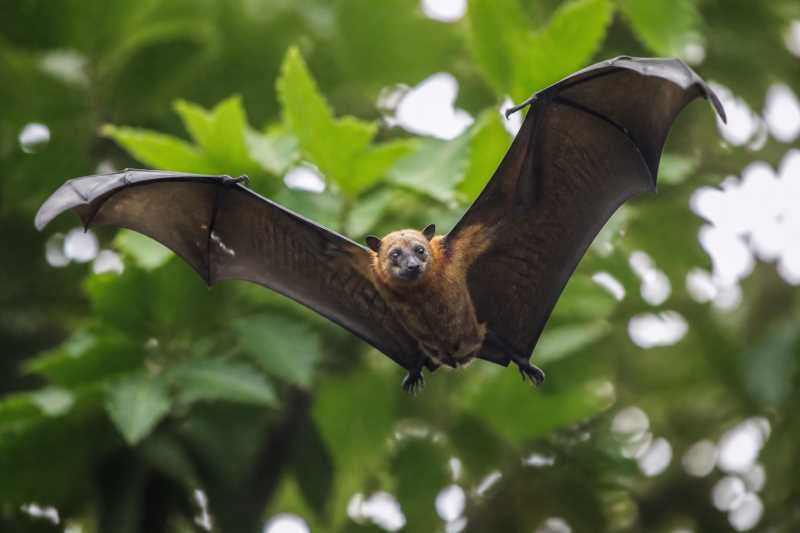
The Manado Fruit Bat is a medium-sized bat distinguished by its elongated snout and large, forward-facing eyes, which provide excellent vision crucial for nocturnal navigation. Typically, the body length ranges from 15 to 20 centimeters, with a wingspan of approximately 1 meter, making them agile flyers adept at maneuvering through dense foliage.
Their fur is generally dark brown with tinges of reddish-brown around the neck and shoulders, offering a form of camouflage against the bark of trees. The underbelly is lighter, often a yellowish or cream color, which contrasts with the darker dorsal side. The wings are a translucent brown, appearing almost leathery, which is characteristic of fruit bats.
Anatomically, they possess strong, hooked claws that enable them to hang effortlessly from branches while resting during daylight hours. The dental structure is adapted to their frugivorous diet, with sharp incisors and flat molars designed for grinding fruit pulp.
Range and Habitat
The Manado Fruit Bat is endemic to the Sulawesi region of Indonesia, particularly thriving in the tropical and subtropical forests that dominate the area. These bats have a preference for lowland tropical forests, mangroves, and sometimes even urban gardens where fruiting trees are abundant.
The natural habitat of the Manado Fruit Bat is under threat due to deforestation for agriculture and urban development. This loss of habitat not only reduces their roosting sites but also diminishes their food sources, leading to decreased population numbers.
Behavior and Diet
Manado Fruit Bats are primarily nocturnal, conducting most of their activities under the cover of darkness. They are social creatures, often found in large colonies that can number in the thousands. These colonies are crucial for mating and protection against predators.
Their diet consists mainly of fruit, including figs, bananas, and other tropical varieties, making them vital participants in seed dispersal and forest regeneration. Occasionally, they may consume nectar, further contributing to their role as pollinators.
Foraging typically occurs in the early hours of the night, where they rely on their keen sense of smell and sight to locate fruiting trees. Once found, they use their sharp teeth to shred the fruit, consuming the juice and pulp while discarding the seeds, thus promoting plant biodiversity.
Identification Tips
Identifying the Manado Fruit Bat in the wild requires attention to specific physical and behavioral characteristics:
- Size and Wingspan: Look for a medium-sized bat with a wingspan near 1 meter.
- Facial Features: Note the fox-like face with a prominent snout and large eyes.
- Fur Color: Observe the reddish-brown fur around the neck and contrasting lighter underbelly.
- Social Behavior: Spot large colonies roosting in trees during the day.
These cues can help enthusiasts and researchers distinguish the Manado Fruit Bat from other sympatric species.
Conservation Status
The Manado Fruit Bat is currently classified as Near Threatened on the IUCN Red List. The primary threat to this species is habitat destruction due to deforestation and land conversion for agriculture. Additionally, hunting and capture for the pet trade pose significant risks.
Conservation efforts are underway, focusing on habitat preservation and restoration. Protected areas have been established to safeguard critical habitats, and local conservation groups are actively working to educate communities about the ecological importance of these bats.
Frequently Asked Questions
1. What is the lifespan of a Manado Fruit Bat?
The Manado Fruit Bat can live up to 15 years in the wild, depending on environmental conditions and threats. In captivity, with optimal care, they may live slightly longer.
2. How do Manado Fruit Bats contribute to the ecosystem?
Manado Fruit Bats play a crucial role in seed dispersal and pollination, aiding in forest regeneration and maintaining biodiversity in their native habitats.
3. Are Manado Fruit Bats dangerous to humans?
No, Manado Fruit Bats are not dangerous to humans. They are frugivorous and pose no threat, focusing their activities on fruit consumption.
4. What measures are being taken to protect Manado Fruit Bats?
Conservation measures include habitat protection, legal regulations against hunting, and community education programs to raise awareness about the species’ importance.
5. Can Manado Fruit Bats be kept as pets?
Keeping Manado Fruit Bats as pets is not advisable and often illegal. They require specific environmental conditions and social structures that are difficult to provide in captivity.
Related posts