Western Long-eared Bat (Nyctophilus major): A Detailed Guide
Introduction
The Western Long-eared Bat, scientifically known as Nyctophilus major, is a fascinating mammalian species found primarily in Australia. This nocturnal creature is known for its distinctive long ears, which not only aid in its acute sense of hearing but also contribute to its unique appearance. This article offers an in-depth look at the Western Long-eared Bat, covering its physical characteristics, habitat, behavior, and conservation status, along with helpful identification tips.
Physical Description
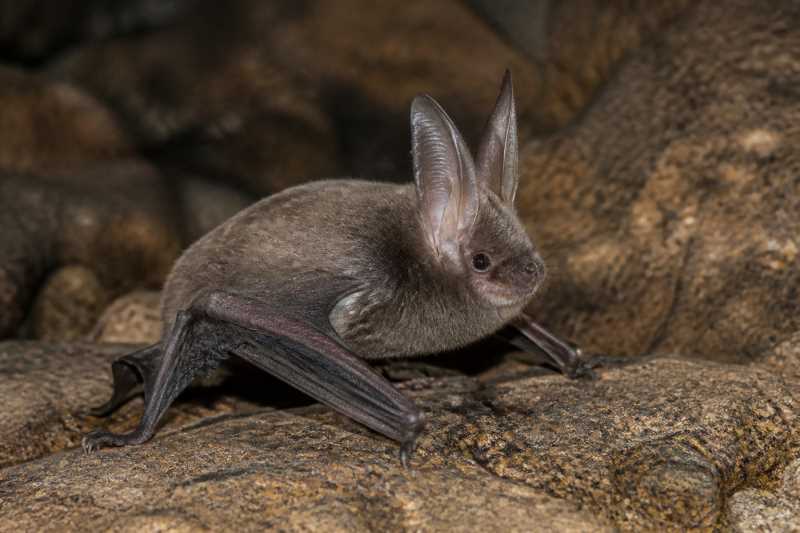
The Western Long-eared Bat is a small to medium-sized bat species, measuring approximately 50 to 60 millimeters in head-body length. It has a wingspan of around 250 to 300 millimeters and weighs between 10 to 15 grams. The most striking feature of this bat is its long ears, which can reach up to 25 millimeters in length, giving it an excellent advantage in echolocation.
The fur of the Western Long-eared Bat is generally a grey-brown color, which provides effective camouflage against the backdrop of its natural habitat. The underparts are typically lighter, often presenting a cream or pale gray hue. Its facial features are soft and rounded, with a short snout and large eyes that are adapted for its nocturnal lifestyle.
Range and Habitat
The Western Long-eared Bat is predominantly found in the southern and western regions of Australia, including Western Australia, South Australia, and parts of Victoria. Its distribution is primarily influenced by the availability of suitable roosting and foraging habitats.
These bats favor a variety of habitats, ranging from eucalyptus woodlands and mallee scrublands to coastal forests and even urban areas where trees and other structures provide roosting sites. They are adaptable and can often be found in both primary and secondary forests, utilizing tree hollows, caves, and man-made structures for shelter during the day.
Behavior and Diet
As a nocturnal species, the Western Long-eared Bat is most active during the night. It emerges from its roost at dusk to forage for food, primarily feeding on insects. Its diet mainly consists of moths, beetles, and other small flying insects, which it catches in flight using its agile maneuvering skills and acute echolocation abilities.
The Western Long-eared Bat is solitary in nature, although it may be found in small groups, especially in areas with abundant food resources. During the breeding season, which typically occurs in the spring, females give birth to a single pup, which they nurture with great care until it is capable of independent flight.
Identification Tips
Identifying the Western Long-eared Bat in the field can be accomplished by paying attention to several key characteristics:
- Ears: The long ears are the most distinguishing feature, often held erect above the head when the bat is alert.
- Size: Its medium size, with a wingspan of approximately 250 to 300 millimeters, can help distinguish it from other bat species.
- Flight Pattern: This bat has a fluttering flight style, which is less direct and more erratic compared to larger bats.
- Fur Color: The grey-brown fur with lighter underparts can help in visual identification, especially when roosting.
Conservation Status
The Western Long-eared Bat is currently classified as Least Concern by the International Union for Conservation of Nature (IUCN). However, it faces several threats that could impact its population in the future.
Threats
- Habitat Loss: Deforestation and land clearing for agriculture and urban development reduce available roosting and foraging habitats.
- Pesticide Use: The use of pesticides can decrease insect populations, leading to a reduction in food sources for the bats.
- Climate Change: Changes in climate patterns can alter the availability of food and suitable roosting sites.
Protections
Efforts to conserve the Western Long-eared Bat include habitat preservation and the establishment of protected areas. Public education and the promotion of bat-friendly practices in agriculture and urban planning are also vital to ensuring the continued survival of this species.
Frequently Asked Questions
What is the primary diet of the Western Long-eared Bat?
The Western Long-eared Bat primarily feeds on insects, with a preference for moths and beetles. It uses echolocation to hunt its prey during night flights.
Where can the Western Long-eared Bat be found?
This bat is found in the southern and western regions of Australia, including Western Australia, South Australia, and Victoria, inhabiting woodlands, forests, and urban areas.
How does the Western Long-eared Bat communicate?
The bat communicates using echolocation, emitting high-frequency sound waves that bounce off objects, allowing it to navigate and locate prey in the dark.
What are the main threats to the Western Long-eared Bat?
The main threats include habitat loss due to deforestation and urbanization, pesticide use affecting food sources, and climate change impacting habitat conditions.
How can we help protect the Western Long-eared Bat?
Protecting habitats, reducing pesticide use, and supporting conservation efforts through education and policy changes are key actions to help protect this species.
Related posts