Introduction
Corben’s Long-eared Bat, scientifically known as Nyctophilus corbeni, is a fascinating mammal species that inhabits various parts of Australia. This bat is renowned for its distinctively long ears and has piqued the interest of researchers and wildlife enthusiasts alike. Understanding this species is crucial due to its role in the ecosystem and the conservation challenges it faces. This comprehensive article delves into the physical characteristics, habitat, behavior, and conservation status of Corben’s Long-eared Bat, aiming to provide a detailed insight into this remarkable species.
Physical Description
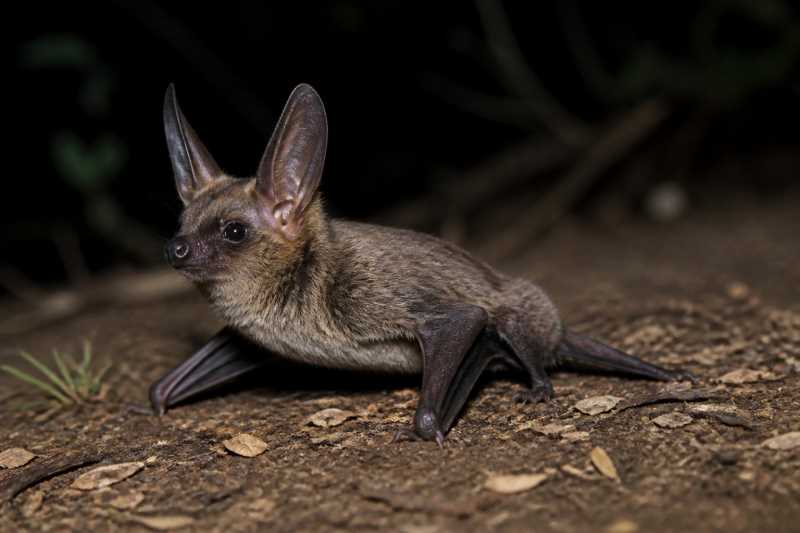
Corben’s Long-eared Bat boasts a unique and unmistakable appearance. As its name suggests, one of the most defining features of this bat is its long ears, which can measure up to 30 millimeters. These ears are not only a distinguishing characteristic but also serve a critical function in echolocation, helping the bat navigate and hunt in the dark.
The bat’s body is relatively small, with an average length of around 50 to 60 millimeters, and it typically weighs between 7 to 12 grams. Its fur is soft and dense, providing insulation against varying temperatures. The coloration of the fur ranges from gray-brown to reddish-brown on the dorsal side, while the ventral side is usually paler, providing a degree of camouflage against predators.
Range and Habitat
Corben’s Long-eared Bat is predominantly found in Australia, with its range extending across the eastern parts of the country, including Queensland, New South Wales, and Victoria. This bat prefers a variety of habitats, including woodlands, mallee, and open forests, where it can find ample food and roosting opportunities.
The bat is known to favor areas with dense vegetation, which offer protection from predators and harsh weather. It often roosts in tree hollows, under bark, and in dense foliage. These habitats not only provide safety but also a rich feeding ground, as they are home to diverse insect populations that form the bat’s primary diet.
Behavior and Diet
Corben’s Long-eared Bat is a nocturnal species, meaning it is most active during the night. This bat uses its echolocation abilities to navigate and locate prey in complete darkness. Its diet mainly consists of insects, such as moths, beetles, and other small arthropods, which it skillfully captures in flight or gleans from foliage.
Socially, Corben’s Long-eared Bat is known to form small colonies, often consisting of related individuals. These colonies provide a social structure that aids in thermoregulation and protection. The bats are also known to exhibit site fidelity, returning to the same roosting sites year after year, provided these sites remain undisturbed.
Identification Tips
Identifying Corben’s Long-eared Bat in the field requires attention to several key characteristics:
- Ears: Look for the distinctively long ears, a hallmark of this species, which are significantly longer than those of other similar bat species.
- Size and Coloration: Note the small size and the gray-brown to reddish-brown fur on the back, with a paler underside.
- Flight Pattern: Observe its flight, which is often slow and fluttering, allowing it to maneuver through dense vegetation while hunting for insects.
- Roosting Habits: During the day, look for these bats in tree hollows or under bark in wooded areas.
Conservation Status
The conservation status of Corben’s Long-eared Bat is currently a concern for scientists and conservationists. It is listed as a vulnerable species under the Environment Protection and Biodiversity Conservation Act 1999 in Australia.
Threats
Several factors pose significant threats to the survival of this species:
- Habitat Loss: Deforestation and land clearing for agriculture and urban development have led to the loss of crucial habitats.
- Disturbance: Human activities, such as logging and recreational activities, can disturb roosting sites, leading to site abandonment.
- Climate Change: Alterations in climate patterns affect the availability of food and suitable roosting sites.
Protections
Efforts to protect Corben’s Long-eared Bat include habitat restoration, legal protection of critical habitats, and public awareness campaigns to reduce human disturbance.
Frequently Asked Questions
What do Corben’s Long-eared Bats eat?
Corben’s Long-eared Bats primarily feed on insects such as moths, beetles, and other small arthropods. They use echolocation to locate and capture their prey, often hunting in flight or by gleaning from foliage.
Where can I find Corben’s Long-eared Bat?
These bats are found in eastern Australia, inhabiting woodlands, mallee, and open forests. They prefer areas with dense vegetation and often roost in tree hollows or under bark.
How can you tell a Corben’s Long-eared Bat from other bats?
Look for its long ears, small size, and distinctive fur coloration. Additionally, observe its flight pattern, which is slow and fluttering, allowing it to navigate through dense vegetation.
Why is Corben’s Long-eared Bat vulnerable?
The bat is vulnerable due to habitat loss, human disturbance, and climate change, which affect its food sources and roosting sites.
How can we protect Corben’s Long-eared Bat?
Conservation efforts include legal protection of habitats, habitat restoration, and public awareness campaigns to reduce human disturbance in bat habitats.
Related posts