Introduction
The Lowveld Serotine, scientifically known as Neoromicia hlandzeni, is a fascinating species of bat found primarily in the southern parts of Africa. This small mammal, belonging to the family Vespertilionidae, plays a vital role in its ecosystem by contributing to the control of insect populations. Despite its ecological significance, the Lowveld Serotine remains relatively understudied compared to other bat species, making it a subject of interest for researchers and wildlife enthusiasts alike.
Physical Description
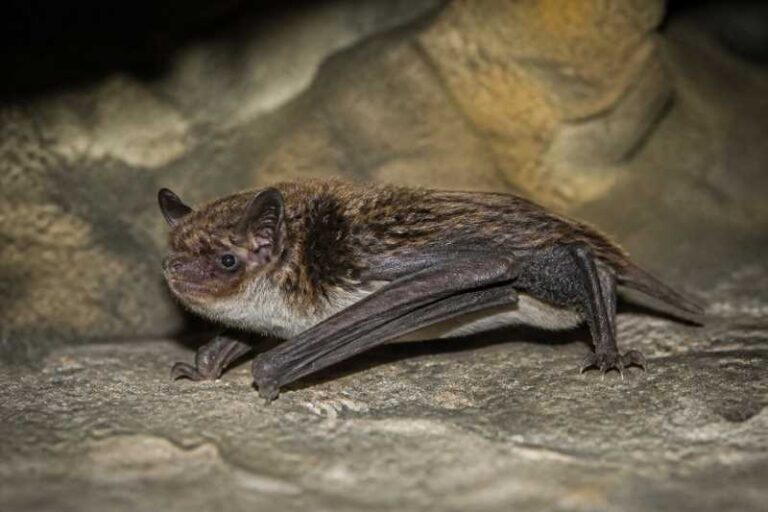
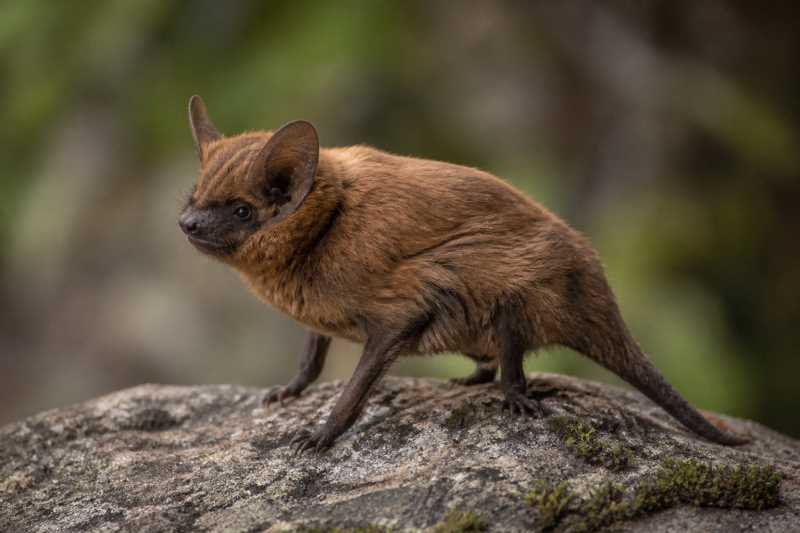
The Lowveld Serotine is a small bat characterized by its modest size and subtle coloration. Typically, this species exhibits a body length ranging from 3.5 to 5.5 cm, with a wingspan that can reach up to 25 cm. The fur of the Lowveld Serotine is usually a dark brown or sepia tone, which provides excellent camouflage against the bark of trees where it often roosts. The underparts are lighter, giving it a distinctive two-tone appearance.
The bat’s ears are moderately sized, rounded, and equipped with a tragus—a small cartilaginous projection—which is a common feature in many bat species. Its eyes are small, reflecting its reliance on echolocation rather than sight for navigation and hunting. The wings are long and narrow, adapted for agile flight, allowing the Lowveld Serotine to maneuver through dense vegetation with ease.
Range and Habitat
The Lowveld Serotine is predominantly found in the lowland regions of southern Africa, including countries such as South Africa, Swaziland, and Mozambique. Its preferred habitats are those that offer abundant food resources and roosting opportunities, such as savannas, woodlands, and agricultural areas.
This bat species is highly adaptable and can thrive in both natural and modified landscapes. Its ability to roost in various structures—from tree hollows and caves to buildings and bridges—demonstrates its versatility. However, the presence of water bodies nearby is crucial as they attract insects, the primary food source for the Lowveld Serotine.
Behavior and Diet
The Lowveld Serotine is nocturnal, spending its nights foraging for food and its days resting in roosts. It emerges at dusk, using echolocation to navigate and hunt. This sophisticated biological sonar system allows it to detect and capture prey with remarkable precision.
Its diet mainly consists of flying insects, including moths, beetles, and mosquitoes. The bat’s feeding strategy involves catching insects mid-flight, a practice known as aerial hawking. This not only helps control insect populations but also reduces the spread of insect-borne diseases.
Socially, the Lowveld Serotine is known to roost in small colonies, although solitary roosting is also observed. Communication among individuals occurs through a series of vocalizations, which play a role in coordinating group activities and maintaining social bonds.
Identification Tips
Identifying the Lowveld Serotine in the field can be challenging due to its nocturnal nature and the similarity it shares with other bat species. However, certain characteristics can aid in its recognition:
- Size and Coloration: Look for a small bat with dark brown upperparts and lighter underparts.
- Ears and Tragus: Note the moderately sized, rounded ears and the presence of a tragus.
- Flight Pattern: Observe the bat’s flight, which is typically agile and erratic as it hunts insects.
- Roosting Sites: Check common roosting areas such as tree hollows, caves, and man-made structures.
Conservation Status
The conservation status of the Lowveld Serotine is currently classified as "Least Concern" by the International Union for Conservation of Nature (IUCN). Despite this, certain threats could impact its populations if not addressed.
Threats
- Habitat Destruction: Deforestation and land conversion for agriculture or urban development reduce available roosting and foraging habitats.
- Pesticides: The use of chemical pesticides can diminish insect populations, thereby reducing food availability for the bats.
- Climate Change: Alterations in climate patterns can affect the distribution of insects and available water resources, impacting bat survival.
Protections
Conservation efforts for the Lowveld Serotine include habitat preservation and management. Protecting areas where this species is known to roost and forage is crucial. Additionally, promoting environmentally friendly agricultural practices can help maintain healthy insect populations.
Frequently Asked Questions
1. What is the primary diet of the Lowveld Serotine?
The Lowveld Serotine primarily feeds on flying insects, such as moths, beetles, and mosquitoes. Its diet is crucial in controlling insect populations in its habitat.
2. How does the Lowveld Serotine navigate and hunt at night?
This bat species uses echolocation, a biological sonar system, to navigate and hunt. It emits high-frequency sounds that bounce off objects, allowing it to detect and capture prey in the dark.
3. Where can the Lowveld Serotine be commonly found?
The Lowveld Serotine is commonly found in southern Africa, particularly in lowland regions of South Africa, Swaziland, and Mozambique. It inhabits savannas, woodlands, and agricultural areas.
4. What threats does the Lowveld Serotine face?
The primary threats include habitat destruction due to deforestation and land conversion, pesticide use that reduces food availability, and climate change affecting insect distribution.
5. How can we help conserve the Lowveld Serotine?
Conservation efforts include preserving habitats, promoting sustainable agriculture, and reducing pesticide usage to maintain healthy ecosystems that support bat populations.
Related posts