Crete Pipistrelle (Pipistrellus creticus): A Comprehensive Overview
Introduction
The Crete Pipistrelle, scientifically known as Pipistrellus creticus, is a fascinating bat species residing primarily on the Greek island of Crete. Revered for its ecological significance and unique adaptations, this diminutive mammal plays a crucial role in maintaining the balance of its native ecosystem. As a member of the Pipistrellus genus, which comprises many small bat species, the Crete Pipistrelle is distinguished by its specific range and ecological niche. This article aims to provide an in-depth exploration of the Crete Pipistrelle, shedding light on its physical attributes, natural habitat, behavioral patterns, and conservation status.
Physical Description
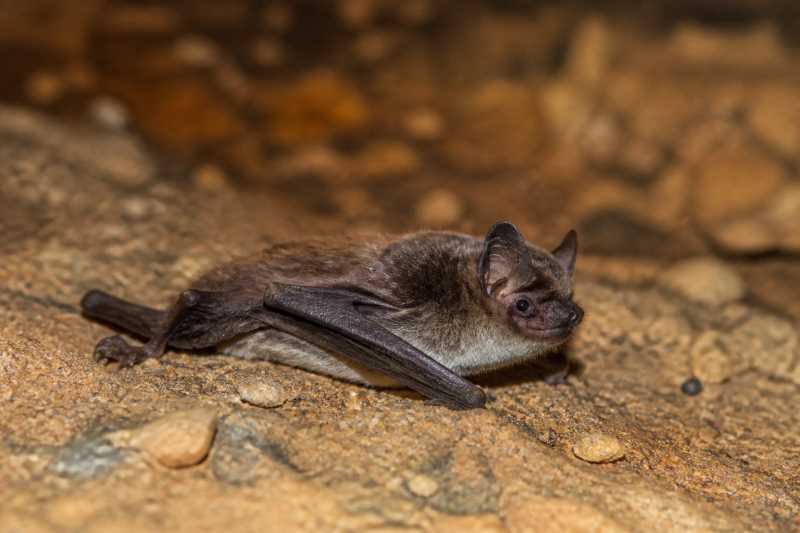
The Crete Pipistrelle is a small bat, with a typical wingspan ranging from 19 to 25 centimeters and an average body length of approximately 3.5 to 5 centimeters. Weighing between 3 to 8 grams, it is notably lightweight, which aids in its agile flight capabilities. The fur of the Crete Pipistrelle is generally brownish, with some individuals exhibiting a darker hue on their dorsal side and a lighter shade on their ventral side. This coloration provides effective camouflage against predators and during roosting. The ears are relatively short and rounded, with a tragus that is characteristic of the Pipistrelle family, aiding in echolocation.
Range and Habitat
The Crete Pipistrelle is endemic to Crete, where it inhabits a variety of environments ranging from coastal areas and lowland regions to rugged mountainous terrains. It thrives in habitats that offer abundant food resources and suitable roosting sites, such as caves, abandoned buildings, and dense vegetation. The island’s diverse topography and climate provide an ideal setting for this bat species, allowing it to exploit different ecological niches. Occasionally, the Crete Pipistrelle may also be found in olive groves and vineyards, where its presence benefits agricultural activities by controlling pest populations.
Behavior and Diet
Crete Pipistrelles are nocturnal creatures, emerging at dusk to embark on their nightly foraging expeditions. They primarily feed on insects, with a diet consisting of moths, beetles, and various flying insects. Utilizing echolocation, these bats are adept at navigating and hunting in complete darkness. Their echolocation calls are ultrasonic, beyond the range of human hearing, allowing them to pinpoint prey with remarkable precision.
Socially, Crete Pipistrelles are known to form small colonies, particularly during the breeding season. Maternity colonies are established in suitable roosting sites, where females gather to give birth and rear their young. The species exhibits a polygynous mating system, with males mating with multiple females within the colony. During the winter months, their activity diminishes as they enter a state of torpor or hibernation, depending on the local climate conditions.
Identification Tips
Identifying the Crete Pipistrelle in the field can be challenging due to its size and the presence of similar species. However, there are several key features that can aid in recognition:
- Size and Shape: The small size and characteristic pipistrelle wing shape are good initial indicators.
- Flight Pattern: Observing the bat’s erratic and agile flight can help differentiate it from other bat species.
- Echolocation Calls: Utilizing a bat detector to identify its specific echolocation frequency, typically around 45 kHz, can confirm its presence.
- Roosting Behavior: Look for small groups in caves or abandoned buildings, particularly during the day.
Conservation Status
The Crete Pipistrelle is currently classified as Near Threatened on the IUCN Red List. The species faces several threats, primarily habitat loss due to urban expansion, agricultural development, and tourism. Pesticide use also poses a significant risk by reducing insect populations, which are a critical food source for these bats. Conservation efforts are focused on habitat protection and restoration, as well as public education to reduce human impact on their environment.
Legal protections are in place under European Union legislation, specifically the EU Habitats Directive, which aims to conserve natural habitats and wild fauna. Local conservation organizations continue to monitor populations and implement strategies to mitigate threats.
Frequently Asked Questions
What is the primary diet of the Crete Pipistrelle?
The Crete Pipistrelle primarily feeds on insects such as moths, beetles, and other small flying insects, which they catch using echolocation.
Where can the Crete Pipistrelle be found?
The Crete Pipistrelle is endemic to Crete, inhabiting various environments including coastal areas, lowlands, and mountainous regions.
How does the Crete Pipistrelle contribute to its ecosystem?
As insectivores, Crete Pipistrelles play a crucial role in controlling insect populations, benefiting both natural ecosystems and agricultural areas.
What are the main threats to the Crete Pipistrelle?
The main threats include habitat loss due to urban development, agricultural expansion, and pesticide use, which reduces their food sources.
How can we help conserve the Crete Pipistrelle?
Supporting habitat protection initiatives, reducing pesticide use, and participating in citizen science projects to monitor bat populations can aid in conservation efforts.
Related posts