Introduction
The Seminole Bat (Lasiurus seminolus) is a fascinating species of bat that thrives in the southeastern United States. Known for its striking appearance and unique ecological role, this bat is a member of the Vespertilionidae family, which includes over 400 species worldwide. The Seminole Bat is an integral part of its ecosystem, serving as a natural pest controller and playing a crucial role in maintaining the balance of its habitat. This article delves into the various aspects of the Seminole Bat, including its physical description, range and habitat, behavior and diet, identification tips, conservation status, and more.
Understanding the Seminole Bat not only provides insight into the complexities of bat species but also highlights the importance of preserving these remarkable creatures. Whether you are a wildlife enthusiast, a researcher, or simply curious about mammals, this comprehensive guide will help you appreciate the significance of the Seminole Bat in our natural world.
Physical Description
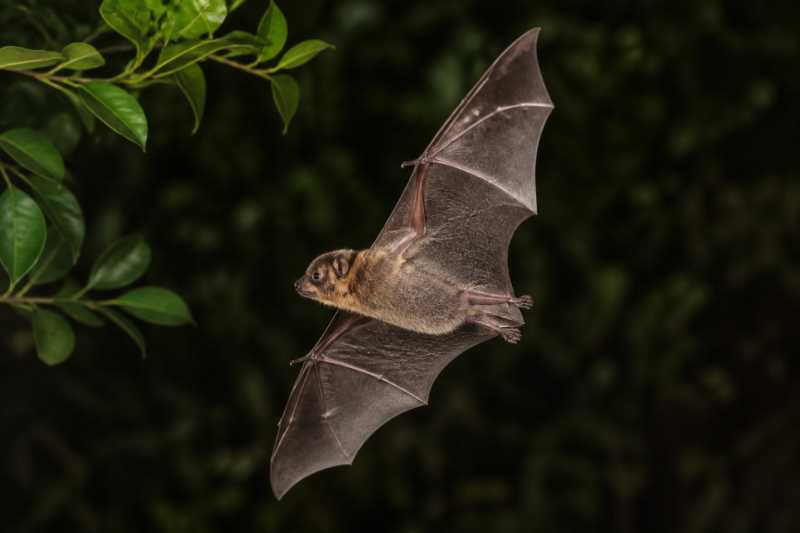
The Seminole Bat is a medium-sized bat with a distinctive appearance that makes it relatively easy to identify. Adult Seminole Bats typically weigh between 8 to 15 grams and have a wingspan ranging from 28 to 34 centimeters. These bats are known for their rich, mahogany-brown fur, which is often frosted with white tips, giving them a striking, frosted appearance.
The fur extends to cover the tail membrane, a characteristic feature of the genus Lasiurus. Their ears are short and rounded, with a tragus that is blunt and slightly curved. The face of a Seminole Bat is somewhat fox-like, with a short, broad muzzle and large, expressive eyes. These physical traits not only aid in identification but also play roles in thermoregulation and camouflage.
Range and Habitat
The Seminole Bat is predominantly found in the southeastern United States, with its range extending from southeastern Virginia westward to eastern Texas and southward to the northern part of Florida. They are particularly abundant in the coastal plains and are known to inhabit a variety of woodland environments.
These bats prefer habitats with dense foliage, such as mixed pine-hardwood forests, cypress stands, and bottomland hardwood forests. They roost primarily in the canopies of trees, utilizing the dense cover to avoid predators and harsh weather conditions. The choice of roosting sites is crucial for their survival, as it provides protection and access to food sources.
In addition to natural forest habitats, Seminole Bats have also been observed in urban areas, where they roost in gardens and parks, taking advantage of artificial light sources that attract insects. However, their presence in such areas is often limited by habitat fragmentation and the availability of suitable roosting sites.
Behavior and Diet
Seminole Bats are primarily nocturnal, emerging at dusk to forage for food. Their diet consists mainly of insects, making them important natural pest controllers. They feed on a variety of insects, including moths, beetles, and flies, using echolocation to detect and capture their prey.
Echolocation is a sophisticated method that involves emitting high-frequency sound waves that bounce off objects and return as echoes, allowing bats to navigate and hunt even in complete darkness. This ability makes the Seminole Bat an efficient predator, capable of consuming large quantities of insects each night.
During the day, Seminole Bats roost in trees, often hanging from branches or nestled within dense foliage. They are solitary creatures, although they may be found in small groups during the mating season or in favorable roosting areas. Mating typically occurs in the fall, with females storing sperm over the winter and giving birth to one or two pups in the spring.
Identification Tips
Identifying the Seminole Bat in the field requires careful observation of its distinctive features and behaviors. Here are some tips to help you recognize this species:
- Fur Coloration: Look for the rich, mahogany-brown fur with white frosted tips, which gives the bat a unique appearance.
- Size and Shape: Note the medium size with a wingspan of 28 to 34 cm and a body weight of 8 to 15 grams.
- Roosting Habits: Observe their preference for roosting in tree canopies, often in dense foliage.
- Echolocation Calls: Listen for their echolocation calls, which are typically in the ultrasonic range and may require a bat detector to hear.
- Flight Pattern: Watch their flight pattern, which is generally swift and agile as they maneuver through trees and around obstacles while hunting insects.
Conservation Status
The Seminole Bat is currently classified as a species of Least Concern by the International Union for Conservation of Nature (IUCN). However, like many bat species, it faces several threats that could impact its population in the future.
Threats
- Habitat Loss: Deforestation and urban development lead to habitat fragmentation, reducing the availability of suitable roosting and foraging sites.
- Pesticide Use: The widespread use of pesticides can reduce insect populations, limiting food sources for insectivorous bats like the Seminole Bat.
- Climate Change: Changes in climate patterns can affect insect populations and the availability of suitable roosting sites.
Protections
Several measures have been implemented to protect the Seminole Bat and its habitat. Conservation efforts focus on preserving natural habitats, promoting sustainable forestry practices, and raising awareness about the ecological role of bats. In urban areas, creating bat-friendly environments through the installation of bat houses and the preservation of green spaces can also help support local populations.
Frequently Asked Questions
What do Seminole Bats eat?
Seminole Bats primarily feed on insects, including moths, beetles, and flies. They use echolocation to locate and capture their prey, making them effective natural pest controllers.
Where do Seminole Bats live?
Seminole Bats are found in the southeastern United States, inhabiting mixed pine-hardwood forests, cypress stands, and other wooded areas. They roost in tree canopies, often in dense foliage.
How do Seminole Bats use echolocation?
Seminole Bats emit high-frequency sound waves that bounce off objects and return as echoes. This allows them to navigate and hunt for insects even in complete darkness.
Are Seminole Bats endangered?
Currently, the Seminole Bat is classified as a species of Least Concern by the IUCN. However, they face threats such as habitat loss, pesticide use, and climate change.
Can I attract Seminole Bats to my backyard?
Yes, you can attract Seminole Bats by installing bat houses and preserving green spaces in your backyard. Avoid using pesticides and provide a diverse range of plants to attract insects, their primary food source.
Related posts