Bartels’s Myotis (Myotis bartelsii): A Comprehensive Guide
Introduction
Bartels’s Myotis (Myotis bartelsii) is a fascinating and lesser-known bat species within the Vespertilionidae family. This small mammal is endemic to parts of Southeast Asia and is primarily recognized for its unique morphological characteristics and ecological significance. As a nocturnal insectivore, Bartels’s Myotis plays a crucial role in maintaining the balance of ecosystems by controlling insect populations. This article delves into various aspects of Bartels’s Myotis, including its physical description, range, habitat, behavior, diet, identification tips, and conservation status.
Physical Description
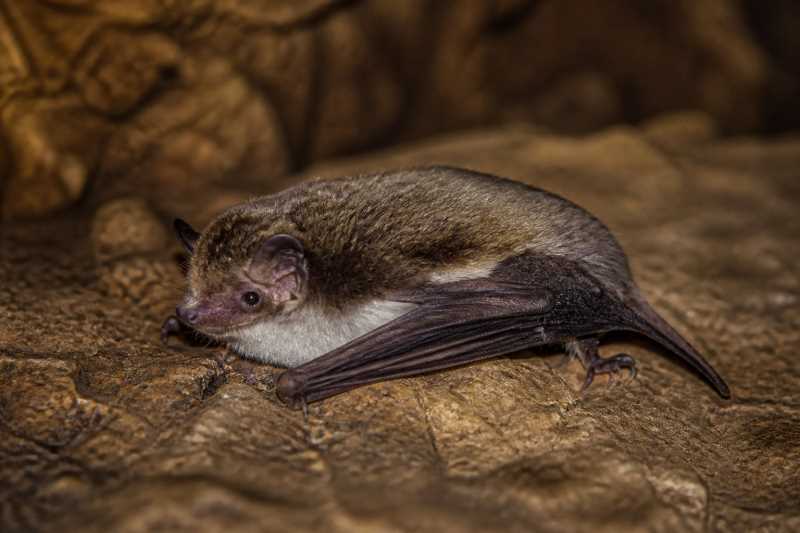
Bartels’s Myotis is a small bat species characterized by its distinctive physical features. Adults typically weigh between 5 to 8 grams and have a wingspan ranging from 25 to 30 centimeters. The body length of an average Bartels’s Myotis measures approximately 45 to 55 millimeters, excluding the tail, which adds another 35 to 40 millimeters in length.
The fur of Bartels’s Myotis is generally soft and dense, with a coloration that varies from medium to dark brown on the dorsal side and a lighter, grayish hue on the ventral side. The ears are relatively large and rounded, aiding in their echolocation capabilities. The muzzle is pointed, and the nose is devoid of any leaf-like structures typical of some other bat species, contributing to its sleek appearance.
One of the most distinctive features of Bartels’s Myotis is its wing membrane, which is attached to the base of the toes and extends to the ankle, providing them with excellent maneuverability in flight. This adaptation is vital for their insect hunting endeavors in dense forest environments.
Range and Habitat
Bartels’s Myotis is primarily found in Southeast Asia, with established populations in countries such as Indonesia, Malaysia, and Thailand. These bats inhabit a variety of forested landscapes, including tropical rainforests, montane forests, and occasionally, urban areas adjacent to natural habitats.
Their preference for humid, forested environments is driven by the abundance of insect prey and the availability of roosting sites. During the day, Bartels’s Myotis roosts in tree hollows, caves, and occasionally in man-made structures that provide shelter from predators and harsh weather conditions.
Behavior and Diet
Bartels’s Myotis is nocturnal, emerging at dusk to embark on foraging expeditions. They are insectivorous, primarily preying on a variety of flying insects such as moths, beetles, and mosquitoes. Their diet plays a significant role in pest control, benefiting both natural ecosystems and human agriculture.
Echolocation is a critical tool for Bartels’s Myotis during hunting. They emit high-frequency calls that bounce off objects and return as echoes, helping them navigate and locate prey with precision, even in complete darkness.
Bartels’s Myotis is generally solitary or found in small groups, especially during the breeding season. Mating typically occurs in the late fall, with females giving birth to a single pup after a gestation period of around 50 to 60 days. The young are nursed and cared for in maternity roosts until they are capable of fending for themselves.
Identification Tips
Field identification of Bartels’s Myotis can be challenging due to its nocturnal habits and elusive nature. However, certain cues can aid in recognition:
- Size and Shape: Small body size with a wingspan of 25-30 cm.
- Fur Color: Medium to dark brown dorsal fur with lighter grayish ventral fur.
- Ears: Large, rounded ears which are crucial for echolocation.
- Flight Pattern: Agile and fast flight, often seen darting among trees in search of insects.
- Vocalizations: Echolocation calls that are generally inaudible to humans without specialized equipment.
Conservation Status
The conservation status of Bartels’s Myotis is currently listed as Data Deficient by the International Union for Conservation of Nature (IUCN). This classification indicates that there is insufficient information regarding its population trends and threats.
Threats
Key threats to Bartels’s Myotis include habitat destruction due to deforestation, agricultural expansion, and urbanization. These activities reduce the availability of suitable roosting sites and foraging grounds, posing a significant risk to their survival. Additionally, pesticide use in agriculture can reduce insect prey availability and pose direct toxicity risks to the bats.
Protections
Conservation efforts for Bartels’s Myotis focus on habitat preservation and restoration. Protected areas that encompass their natural habitats play a crucial role in conserving these bats. Continued research and monitoring are essential to better understand their ecology and to implement effective conservation strategies.
Frequently Asked Questions
What is the habitat of Bartels’s Myotis?
Bartels’s Myotis primarily inhabits tropical and montane forests in Southeast Asia, including countries like Indonesia and Malaysia. They prefer humid environments with abundant insect prey and suitable roosting sites, such as tree hollows and caves.
How does Bartels’s Myotis contribute to the ecosystem?
As insectivores, Bartels’s Myotis plays a vital role in controlling insect populations, including agricultural pests and mosquitoes. This ecological service helps maintain ecosystem balance and supports agricultural productivity.
What are the main threats to Bartels’s Myotis?
The primary threats to Bartels’s Myotis include habitat destruction due to deforestation, agricultural expansion, and urbanization. Pesticide use also poses a significant threat by reducing prey availability and causing direct toxicity.
How can we identify Bartels’s Myotis in the field?
Identification tips include observing their small size, medium to dark brown fur with lighter underparts, large rounded ears, and agile flight patterns. Their echolocation calls, typically inaudible to humans, are also a key identification feature.
What conservation measures are in place for Bartels’s Myotis?
Conservation measures focus on habitat preservation through protected areas and restoration projects. Research and monitoring efforts are necessary to gather more data on their population trends and ecological needs.
Related posts