Introduction
The Silver-tipped Myotis, scientifically known as Myotis albescens, is a fascinating bat species native to the Americas. Known for its striking silver-tipped fur, this bat is a member of the Vespertilionidae family, which is one of the largest bat families, encompassing hundreds of species worldwide. The Silver-tipped Myotis plays a critical role in ecosystem maintenance by aiding in insect population control, thus highlighting its ecological significance. This article explores the distinctive features, habitat preferences, behaviors, and conservation status of this intriguing mammal.
Physical Description
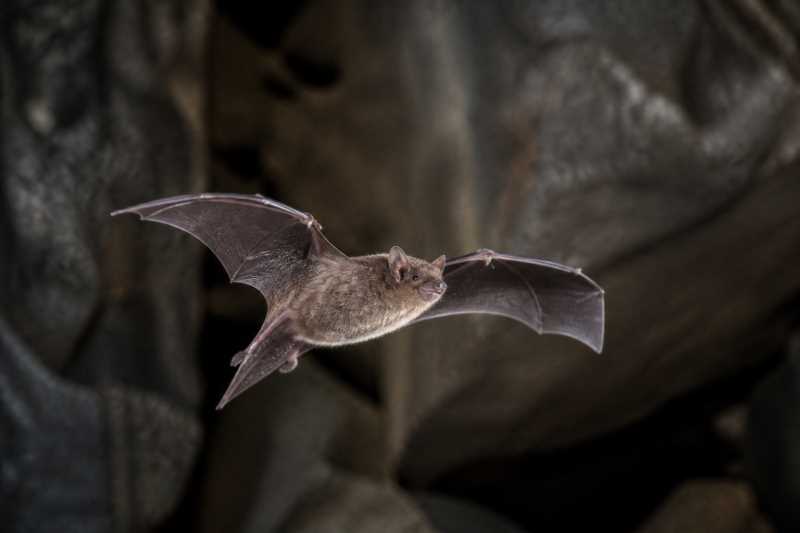
The Silver-tipped Myotis is characterized by its relatively small size, with a body length ranging from 4 to 5 centimeters (1.6 to 2 inches) and a wingspan of approximately 25 to 30 centimeters (9.8 to 11.8 inches). As its name suggests, this bat species exhibits a unique fur coloration: the tips of its fur are silver or white, giving it a frost-like appearance. This silvery sheen is most pronounced on its back, while the underparts are usually a lighter gray or whitish color.
The face of the Silver-tipped Myotis is adorned with small, rounded ears and a short snout. Its eyes are relatively small, an adaptation common among bats that primarily rely on echolocation. The wings are long and narrow, enabling agile flight and efficient foraging.
Range and Habitat
Myotis albescens is widely distributed across Central and South America, with its range extending from southern Mexico through Brazil, Argentina, and Paraguay. This broad distribution reflects the species’ adaptability to various habitats, including forests, wetlands, and grasslands.
In terms of specific habitat preferences, the Silver-tipped Myotis is often found near water bodies such as rivers, lakes, and marshes. These environments provide abundant food resources, as aquatic insects form a significant portion of their diet. Additionally, they roost in a variety of structures, including tree hollows, caves, and man-made buildings, showcasing their versatility.
Behavior and Diet
The Silver-tipped Myotis is a nocturnal species, emerging at dusk to commence its nightly foraging activities. It employs echolocation to navigate and locate prey, emitting high-frequency calls that bounce off objects and return as echoes. This sophisticated biological sonar allows the bat to detect even the smallest of insects in complete darkness.
The diet of the Silver-tipped Myotis consists predominantly of insects, with a preference for aquatic and semi-aquatic species such as mosquitoes, midges, and caddisflies. By consuming large quantities of insects, these bats contribute significantly to pest control, benefitting both natural ecosystems and human agriculture.
Socially, the Silver-tipped Myotis is known to form small to moderate-sized colonies, often sharing roosting sites with other bat species. This gregarious behavior provides protection and enhances thermoregulation among the group.
Identification Tips
Field identification of the Silver-tipped Myotis can be challenging due to its similarity to other Myotis species. However, several key characteristics can aid recognition:
- Fur Coloration: Look for the distinctive silver-tipped or frosted appearance of the fur, most prominently seen on the dorsal side.
- Size: Note the relatively small size of the bat, with a wingspan typically not exceeding 30 centimeters.
- Ears and Snout: Observe the small, rounded ears and short snout, features typical of the Myotis genus.
- Habitat: Consider the habitat type; the presence of water bodies nearby can be indicative of Myotis albescens.
Conservation Status
The Silver-tipped Myotis is currently classified as Least Concern by the International Union for Conservation of Nature (IUCN). This status is attributed to its wide distribution and presumed large population size. Nevertheless, like many bat species, Myotis albescens faces several threats that could impact its future survival.
Threats:
- Habitat Destruction: Deforestation and land conversion for agriculture and urban development reduce available roosting and foraging areas.
- Water Pollution: Contamination of water bodies from pesticides and industrial runoff can decrease prey abundance and quality.
- Disturbance of Roosting Sites: Human activities such as cave exploration and building renovations can disrupt colonies.
Protections:
- Conservation efforts focus on habitat preservation and restoration, particularly in areas with significant bat populations.
- Public awareness programs aim to educate communities about the ecological importance of bats and the need to protect their habitats.
Frequently Asked Questions
What is the lifespan of the Silver-tipped Myotis?
The Silver-tipped Myotis typically has a lifespan ranging from 5 to 10 years in the wild. However, factors such as predation, environmental conditions, and food availability can influence individual longevity.
How does the Silver-tipped Myotis contribute to the ecosystem?
By consuming large quantities of insects, the Silver-tipped Myotis plays a crucial role in controlling pest populations. This not only benefits natural ecosystems by maintaining balance but also aids agriculture by reducing crop-damaging insect numbers.
Are Silver-tipped Myotis bats dangerous to humans?
No, Silver-tipped Myotis bats are not dangerous to humans. They are insectivorous, feeding exclusively on insects, and they actively avoid human contact. In fact, their presence is beneficial due to their pest control capabilities.
How can I help protect the Silver-tipped Myotis?
Supporting conservation organizations and initiatives that focus on the preservation of bat habitats is an effective way to help. Additionally, promoting awareness about the ecological importance of bats and advocating for the protection of natural habitats can contribute to their conservation.
What adaptations allow the Silver-tipped Myotis to hunt at night?
The Silver-tipped Myotis uses echolocation, a biological sonar system, to navigate and hunt in the dark. By emitting high-frequency calls and interpreting the returning echoes, they can detect prey and avoid obstacles with remarkable precision.
Related posts