Introduction
The Gray Large-footed Myotis, scientifically known as Myotis adversus, is a fascinating bat species within the family Vespertilionidae. Bats, as nocturnal mammals, play crucial roles in ecosystems, primarily through insect control and pollination. The Gray Large-footed Myotis is an integral part of this dynamic, contributing significantly to the ecological balance in its native habitats. This article delves into the various aspects of the Gray Large-footed Myotis, including its physical characteristics, habitat, behavior, diet, and conservation status.
Physical Description
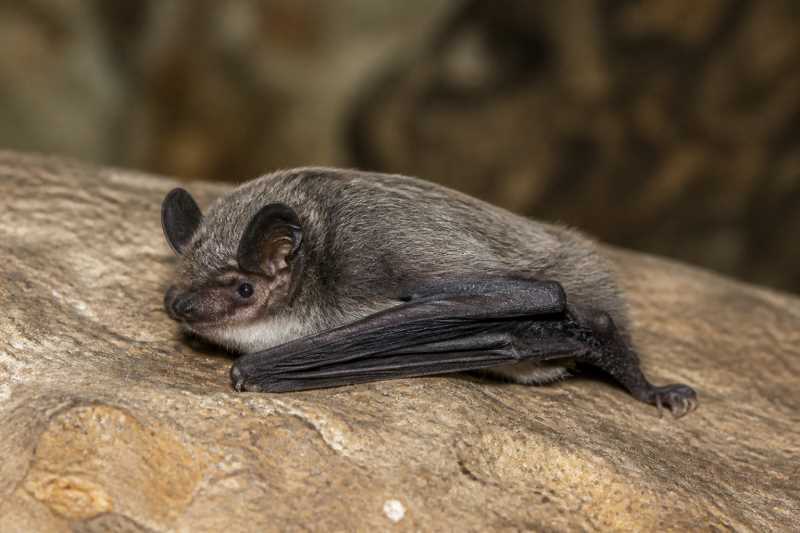
The Gray Large-footed Myotis is aptly named for its distinctive large feet that set it apart from other bat species. This bat species has a robust body, with adults typically weighing between 8 to 12 grams. Their wingspan ranges from 25 to 30 centimeters, making them agile fliers capable of precise maneuvers.
The fur of the Gray Large-footed Myotis is generally grayish-brown, with some variations occurring based on geographical location. The underparts tend to be lighter, often exhibiting a pale gray or whitish hue. The ears are moderately long and pointed, aiding in their echolocation abilities. Another notable feature is their relatively large feet, equipped with sharp claws that assist in their adept hunting of insects on the water’s surface.
Range and Habitat
The Gray Large-footed Myotis is predominantly found in Southeast Asia, with its range extending through countries such as Indonesia, Malaysia, the Philippines, and parts of northern Australia. These bats thrive in various habitats, including tropical and subtropical forests, wetlands, and areas near bodies of fresh water such as rivers and lakes.
They are highly adaptable and can also be found in agricultural and urban areas, although they prefer regions with ample natural vegetation and food supply. Roosting sites are typically chosen for their proximity to water, which serves as a foraging ground. These sites can include tree hollows, caves, and even abandoned buildings, where they find refuge and safety during the day.
Behavior and Diet
Gray Large-footed Myotis are nocturnal creatures, emerging at dusk to embark on their nightly foraging expeditions. They are insectivorous, feeding predominantly on aquatic insects, which they skillfully capture using their large feet. This unique feeding strategy involves skimming the water surface and snatching prey with their claws.
Their echolocation is highly developed, allowing them to detect minute movements in their environment, even in complete darkness. During the day, they roost in colonies that can range from a few individuals to hundreds, depending on the availability of suitable roosting sites.
Socially, these bats exhibit a complex structure, often engaging in grooming and other interactions that reinforce colony cohesion. Mating typically occurs in the cooler months, with females giving birth to a single offspring after a gestation period of about 40 to 60 days.
Identification Tips (field recognition cues)
Identifying the Gray Large-footed Myotis in the field requires a keen eye and an understanding of its distinguishing characteristics:
- Foot Size and Structure: Look for the notably large feet with sharp claws, which are pivotal for their feeding strategy.
- Fur Color and Texture: Observe the grayish-brown fur, which can sometimes appear more muted in different lighting conditions.
- Wing Shape and Flight Pattern: Note their agile flight patterns, which involve swift, precise movements often close to water surfaces.
- Echolocation Calls: These bats emit high-frequency calls that can be detected with bat detectors, aiding in their identification.
Conservation Status (with threats and protections)
The Gray Large-footed Myotis is currently listed as Least Concern by the IUCN Red List, indicating that it is not at immediate risk of extinction. However, like many bat species, it faces several threats that could impact its populations in the future.
Threats:
- Habitat Loss: Deforestation and land conversion for agriculture and urban development are significant threats, reducing available roosting and foraging habitats.
- Pollution: Water pollution can diminish insect populations, thereby affecting the food supply for these bats.
- Climate Change: Altered weather patterns can impact their roosting and feeding behaviors, as well as the availability of prey.
Protections:
Conservation efforts are essential to ensure the survival of the Gray Large-footed Myotis. Protecting and restoring natural habitats, establishing protected areas, and monitoring bat populations are crucial steps. Public awareness and education can also play a vital role in reducing human-induced threats.
Frequently Asked Questions
What is the primary diet of the Gray Large-footed Myotis?
The Gray Large-footed Myotis primarily feeds on aquatic insects. They use their large feet to skim the water surface and catch their prey.
How does the Gray Large-footed Myotis contribute to its ecosystem?
As insectivores, these bats help control insect populations, which benefits agricultural areas and natural ecosystems by reducing the prevalence of pests.
What are the main threats to the Gray Large-footed Myotis?
The primary threats include habitat loss due to deforestation, pollution of water bodies, and climate change, all of which can adversely affect their food supply and roosting sites.
How can we help in conserving the Gray Large-footed Myotis?
Conservation can be supported by protecting natural habitats, reducing pollution, and promoting awareness about the ecological importance of bats.
Where is the Gray Large-footed Myotis typically found?
This species is found in Southeast Asia and parts of northern Australia, thriving in tropical and subtropical forests, wetlands, and near freshwater bodies.
Related posts