Introduction
The Spectral Bat, scientifically known as Vampyrum spectrum, belongs to the family Phyllostomidae and is the largest bat species in the New World. Known for its formidable size and carnivorous diet, the Spectral Bat has captured the interest of researchers and wildlife enthusiasts alike. This fascinating species plays a vital role in its ecosystem, and understanding its behavior, habitat, and conservation status can help in efforts to preserve its existence.
Bats, in general, are essential for maintaining the ecological balance, and the Spectral Bat is no exception. Often referred to as the "false vampire bat," its name might conjure images of Gothic horror, but this bat plays a crucial role in its habitat as both a predator and a prey species. This article delves into various aspects of the Spectral Bat, from its physical description to its conservation status, providing a comprehensive overview of this enigmatic mammal.
Physical Description
The Spectral Bat is distinguished by its impressive size, with a wingspan that can reach nearly 1 meter (3.3 feet) and a body length ranging from 13 to 15 centimeters (5 to 6 inches). It weighs approximately 134 to 190 grams (4.7 to 6.7 ounces), making it the largest bat in the Americas.
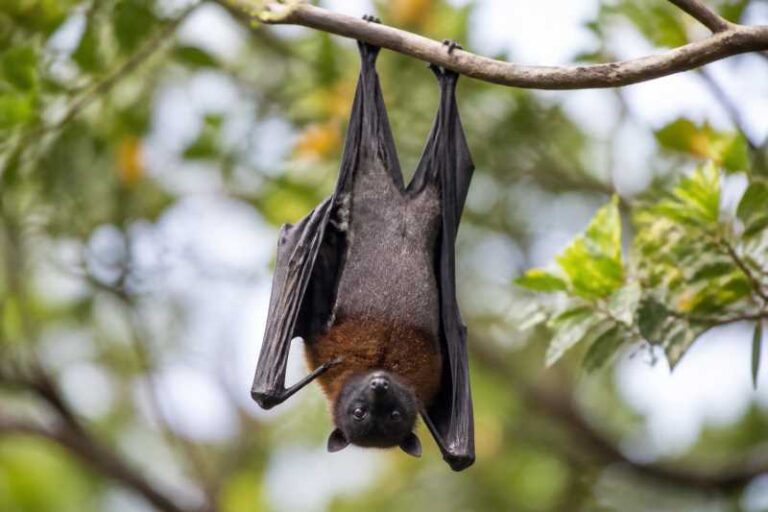
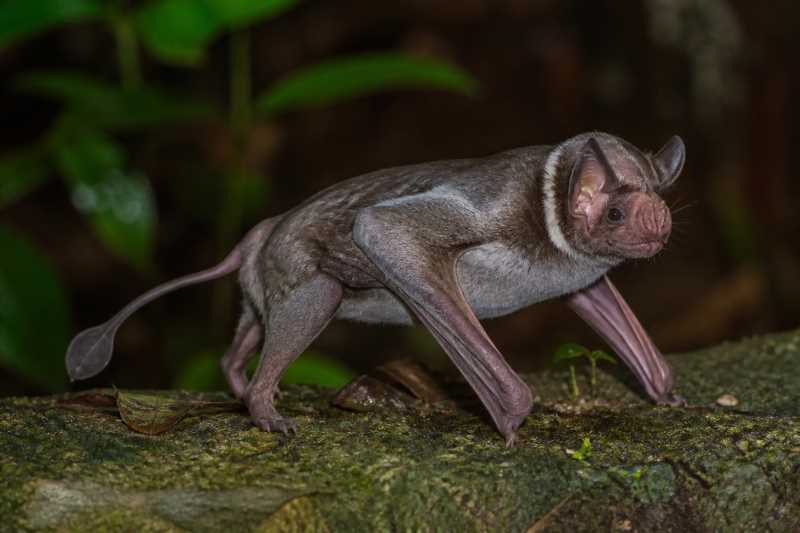
Its fur is typically dark brown or reddish-brown, with some variations depending on geographical location. The bat’s wings are long and narrow, designed for efficient flight and maneuverability in forested environments. The ears are large and rounded, providing excellent auditory capabilities that are crucial for hunting.
One of the most distinctive features of the Spectral Bat is its face, which bears a striking resemblance to that of a canine. This wolf-like appearance is accentuated by its pronounced snout and sharp teeth, adapted for a carnivorous diet. The eyes are relatively large, suggesting good vision, which complements its echolocation abilities.
Range and Habitat
The Spectral Bat inhabits a range that extends from southern Mexico through Central America and into the northern parts of South America, including countries like Brazil, Peru, and Ecuador. It prefers tropical and subtropical forests, thriving in both primary and secondary growth forests.
These bats are primarily found in lowland rainforests, although they have been observed at elevations up to 1,650 meters (5,413 feet). They roost in tree hollows, caves, and occasionally in abandoned buildings, often favoring locations that offer shelter from predators and environmental conditions.
Behavior and Diet
The Spectral Bat is a nocturnal predator, actively hunting during the night. Unlike many other bat species that rely solely on echolocation, the Spectral Bat uses a combination of echolocation and its acute sense of hearing to locate prey. Its diet is carnivorous, consisting mainly of other vertebrates such as birds, rodents, and occasionally other bats.
The hunting strategy of the Spectral Bat is particularly fascinating. It primarily employs a sit-and-wait approach, perching in a roost while listening for the sounds of potential prey. Once a target is identified, the bat launches into flight, using its agility and speed to capture the prey mid-air or on the ground.
Socially, Spectral Bats are known to live in small family groups, often consisting of a mated pair and their offspring. They are territorial animals, defending their roosting sites from intruders. Communication within the group is facilitated by vocalizations, which are thought to play a role in maintaining group cohesion and coordinating hunting activities.
Identification Tips (Field Recognition Cues)
Identifying the Spectral Bat in the field requires attention to specific characteristics:
- Size: Look for the large size and impressive wingspan, which are key indicators of the Spectral Bat.
- Coloration: Note the dark brown or reddish-brown fur, which can help distinguish it from other bat species.
- Facial Features: Observe the distinctive canine-like face and pronounced snout.
- Habitat: Consider the location; Spectral Bats are typically found in tropical and subtropical forests.
- Behavior: Watch for unique hunting behavior, as these bats are often seen hunting larger prey than typical insectivorous bats.
Conservation Status (with Threats and Protections)
The Spectral Bat is currently classified as "Near Threatened" by the International Union for Conservation of Nature (IUCN). The primary threats to its survival include habitat loss due to deforestation, agricultural expansion, and urban development. Additionally, the bat is sometimes hunted or killed due to misconceptions about its diet and behavior.
Conservation efforts are focused on habitat protection and restoration, as well as public education to dispel myths about bats. Protected areas and wildlife reserves play a critical role in preserving the natural habitats of the Spectral Bat, ensuring that these ecosystems remain intact and able to support healthy bat populations.
Frequently Asked Questions
What is the diet of the Spectral Bat?
The Spectral Bat primarily feeds on other vertebrates, including birds, rodents, and occasionally other bats. Its carnivorous diet is unique among bats and is supported by its powerful jaws and sharp teeth.
How can you identify a Spectral Bat in the wild?
To identify a Spectral Bat, look for its large size, dark brown or reddish-brown fur, and distinctive wolf-like face. Observing its habitat and hunting behavior can also aid in identification.
Where can Spectral Bats be found?
Spectral Bats are found in tropical and subtropical forests stretching from southern Mexico to northern South America, including Brazil, Peru, and Ecuador. They prefer lowland rainforests and often roost in tree hollows or caves.
Why is the Spectral Bat considered "Near Threatened"?
The Spectral Bat is considered "Near Threatened" due to habitat loss from deforestation and human encroachment, as well as occasional hunting. Conservation efforts focus on habitat protection and raising awareness about the ecological role of bats.
Are Spectral Bats dangerous to humans?
Spectral Bats are not dangerous to humans. They are shy and reclusive, focusing on hunting other vertebrates. Misconceptions about their behavior can lead to unnecessary fear, but these bats are an important part of their ecological community.
Related posts