Introduction
The Isabelline Ghost Bat, scientifically known as Diclidurus isabella, is a mesmerizing species of bat known for its ethereal appearance and elusive nature. As a member of the Emballonuridae family, this bat is a fascinating subject for both researchers and wildlife enthusiasts. It inhabits various regions of South America and plays a vital role in maintaining the ecological balance by controlling insect populations. This article delves into the unique characteristics, habitat, behavior, and conservation status of this enigmatic bat species.
Physical Description
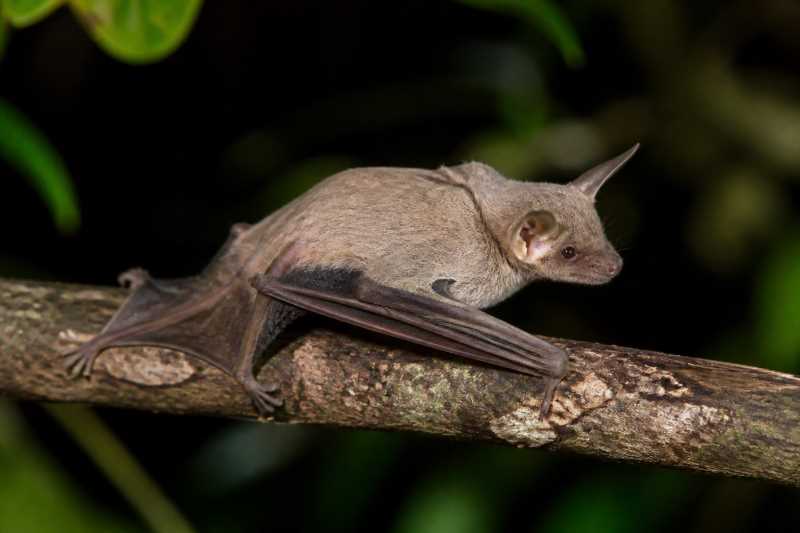
The Isabelline Ghost Bat is renowned for its striking appearance, characterized by a pale, almost ghostly fur that gives it its common name. The bat has a wingspan ranging from 40 to 50 centimeters, with a body length of approximately 10 to 12 centimeters. Its fur is typically a light gray or off-white, which helps it blend into the moonlit skies during nighttime foraging. The facial features include a small, rounded nose and large, dark eyes that are well-adapted for nocturnal vision.
One of the distinguishing features of the Isabelline Ghost Bat is its translucent wings, which appear almost invisible against the night sky. These wings are not only instrumental for flight but also aid in thermoregulation, as the thin membrane allows for heat exchange. The bat’s ears are relatively small and rounded, contributing to its streamlined appearance and enhancing its aerodynamics during flight.
Range and Habitat
The Isabelline Ghost Bat is predominantly found in the tropical and subtropical regions of South America. Its range extends across countries like Brazil, Colombia, Venezuela, and parts of the Amazon Basin. These bats prefer habitats that provide ample foraging opportunities and roosting sites, such as dense forests, open woodlands, and near water bodies.
Roosting sites are typically located in natural crevices, hollow trees, and occasionally in man-made structures like abandoned buildings. The proximity to water sources is crucial, as these areas often harbor a high concentration of insects, which form a significant part of the bat’s diet. The Isabelline Ghost Bat is known to migrate seasonally, moving to warmer regions during colder months to maintain its metabolic needs.
Behavior and Diet
The Isabelline Ghost Bat is a nocturnal creature, emerging at dusk to begin its nightly foraging activities. It exhibits solitary behavior but is occasionally seen in small groups, especially during the breeding season. The bat is an agile flier, capable of executing swift maneuvers to capture prey mid-flight.
Its diet primarily consists of insects, including moths, beetles, and other flying arthropods. The bat employs echolocation to detect and hunt its prey, emitting high-frequency sound waves that bounce off objects and return as echoes. This sophisticated hunting technique allows the bat to navigate and hunt efficiently in complete darkness.
Identification Tips (Field Recognition Cues)
Recognizing the Isabelline Ghost Bat in the field can be challenging due to its elusive nature and nocturnal habits. However, there are several key identification cues to consider:
- Appearance: Look for the bat’s distinctive pale, ghostly fur and translucent wings, which are unique among bats in its range.
- Flight Pattern: Observe its agile and erratic flight pattern. The bat often flies close to water bodies, where insect activity is high.
- Echolocation Calls: Listen for its high-pitched echolocation calls, which can sometimes be heard with the aid of a bat detector.
- Roosting Sites: Check for potential roosting sites in natural crevices or hollow trees, especially near water sources.
Conservation Status (With Threats and Protections)
The Isabelline Ghost Bat is currently classified as a species of Least Concern by the International Union for Conservation of Nature (IUCN). However, like many bat species, it faces several threats that could impact its population in the future.
Threats
- Habitat Destruction: Deforestation and land conversion for agriculture and urban development pose significant threats to the bat’s natural habitat.
- Climate Change: Altered weather patterns and temperature changes can affect the bat’s migration and foraging behaviors.
- Pesticide Use: The widespread use of pesticides reduces insect populations, depriving the bat of its primary food source.
Protections
Conservation efforts are focused on habitat preservation and restoration. Protected areas and national parks in regions where the bat is found help safeguard its natural environment. Raising awareness about the ecological importance of bats in controlling insect populations is also crucial in promoting their conservation.
Frequently Asked Questions
Why is this species unique?
The Isabelline Ghost Bat is unique due to its striking ghostly appearance and translucent wings, which make it stand out among other bat species. Its specialized echolocation abilities and preference for specific habitats also contribute to its uniqueness.
What role does the Isabelline Ghost Bat play in the ecosystem?
This bat plays a crucial role in controlling insect populations, thereby maintaining ecological balance. By preying on insects, it helps reduce agricultural pests and the spread of insect-borne diseases.
How can one contribute to the conservation of the Isabelline Ghost Bat?
Supporting conservation initiatives, advocating for habitat preservation, and reducing pesticide use in agricultural practices are ways individuals can contribute to the conservation of this bat species.
Are there any cultural significances associated with the Isabelline Ghost Bat?
In some cultures, bats are often associated with mystery and folklore. However, the Isabelline Ghost Bat’s ethereal appearance might also inspire local myths and legends, emphasizing its otherworldly charm.
How can researchers study the Isabelline Ghost Bat effectively?
Researchers can employ techniques such as bat detectors to study echolocation patterns, and GPS tracking to understand migration routes. Conservationists also use habitat surveys to monitor population trends and identify critical habitats.
Related posts