Introduction
The Sichuan Brown-toothed Shrew (Episoriculus sacratus) is a fascinating small mammal belonging to the Soricidae family. This elusive species is part of the rich biodiversity found in China, specifically within the Sichuan province. Known for its distinctive brown teeth, the Sichuan Brown-toothed Shrew has intrigued researchers and animal enthusiasts alike. This comprehensive article delves into the various aspects of this unique species, from its physical characteristics to its habitat, behavior, and conservation status. Understanding the Sichuan Brown-toothed Shrew not only enriches our knowledge of biodiversity but also underscores the importance of conservation efforts in preserving such unique species.
Physical Description
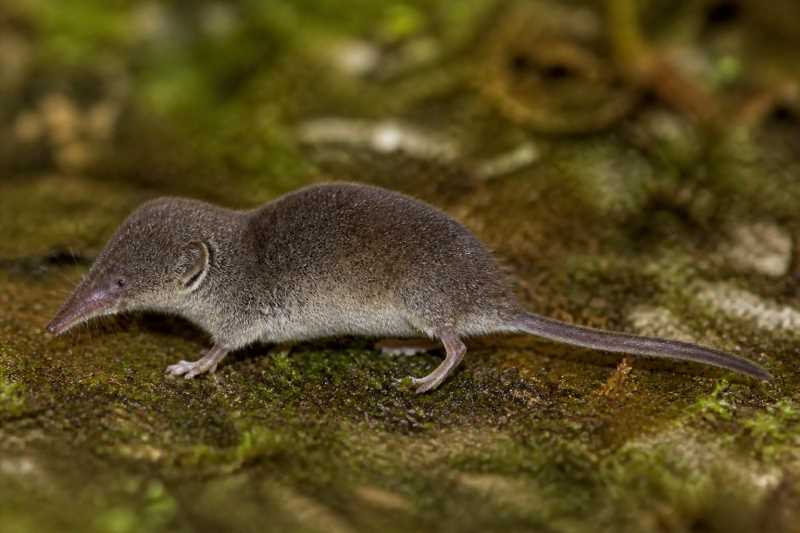
The Sichuan Brown-toothed Shrew is a small mammal with a body length typically ranging from 5 to 8 centimeters, and a tail length of about 3 to 5 centimeters. The weight of this shrew can vary from 5 to 12 grams, making it a diminutive yet intriguing creature. Its fur is predominantly dark gray to brown, providing effective camouflage against the forest floor. The most distinctive feature of the Sichuan Brown-toothed Shrew is its brownish teeth, from which it derives its name. Unlike other shrew species that possess white teeth, this adaptation is believed to be linked to its diet and ecological niche.
The shrew’s elongated snout is equipped with sensitive whiskers, aiding in its foraging activities. Its eyes are relatively small, and its ears are partially hidden within its fur, which helps in reducing heat loss and maintaining body temperature in its cool habitat. The feet of the Sichuan Brown-toothed Shrew are equipped with sharp claws, allowing it to dig and navigate through the leaf litter and soil effectively.
Range and Habitat
The Sichuan Brown-toothed Shrew is endemic to China, with its primary range located within the mountainous regions of Sichuan province. This area is characterized by a temperate climate, dense forests, and diverse flora. The shrew inhabits moist, wooded areas, often at elevations ranging from 1,000 to 3,000 meters. Its preference for cool, humid environments is a testament to its adaptability to the temperate forest ecosystems.
These shrews are typically found in forested regions that provide ample cover and a rich supply of invertebrate prey. The leaf litter, fallen logs, and dense underbrush offer an ideal habitat, providing both food and protection from predators. The presence of streams and other water sources in its habitat is crucial, as it contributes to the humidity levels favored by this species.
Behavior and Diet
The Sichuan Brown-toothed Shrew is primarily nocturnal, spending its nights foraging for food. Its diet consists mainly of insects, worms, and other small invertebrates, which it hunts using its acute sense of smell and touch. The shrew’s foraging behavior is characterized by quick, darting movements as it navigates through the leaf litter. It is an opportunistic feeder and may occasionally consume plant matter and seeds when invertebrates are scarce.
Social interactions among Sichuan Brown-toothed Shrews are limited, as they are generally solitary creatures. They communicate with each other through high-pitched squeaks and scent markings, especially during the breeding season. Breeding typically occurs in the spring and summer months, with females giving birth to litters of 2 to 8 young after a gestation period of about 20 to 25 days. The young shrews are weaned after a few weeks and become independent shortly thereafter.
Identification Tips
Identifying the Sichuan Brown-toothed Shrew in the field can be challenging due to its small size and secretive nature. However, several cues can aid in its recognition:
- Size and Shape: Look for a small mammal with a slender body and an elongated snout.
- Coloration: Note the dark gray to brown fur, which helps it blend into the forest floor.
- Teeth: The brownish coloration of its teeth is a key distinguishing feature.
- Behavior: Observe its quick, agile movements during foraging, typically at night.
- Habitat: Focus on moist, forested areas with dense underbrush, particularly in Sichuan province.
Conservation Status
The conservation status of the Sichuan Brown-toothed Shrew is currently listed as "Least Concern" by the International Union for Conservation of Nature (IUCN). However, like many species with limited ranges, it faces several threats that could impact its population in the future. Habitat destruction due to logging and agricultural expansion is a significant concern, as it reduces the available forest cover and degrades the shrew’s natural habitat.
Climate change also poses a threat, as it can alter the temperature and humidity levels of its habitat, potentially making it unsuitable for the shrew. Conservation efforts are essential to monitor population trends and protect its habitat. Establishing protected areas and promoting sustainable land-use practices can help mitigate these threats.
Frequently Asked Questions
What does the Sichuan Brown-toothed Shrew eat?
The Sichuan Brown-toothed Shrew primarily feeds on insects, worms, and other small invertebrates. It is an opportunistic feeder and may also consume plant matter when necessary.
How can you identify a Sichuan Brown-toothed Shrew?
Identifying a Sichuan Brown-toothed Shrew involves looking for its small size, dark brown fur, and distinctive brown teeth. Observing its behavior and preferred habitat can also aid in identification.
Where is the Sichuan Brown-toothed Shrew found?
This shrew is endemic to China, specifically the mountainous regions of Sichuan province. It inhabits moist, forested areas at elevations between 1,000 and 3,000 meters.
What are the main threats to the Sichuan Brown-toothed Shrew?
The primary threats include habitat destruction due to logging and agriculture, as well as climate change, which can alter its preferred habitat conditions.
Is the Sichuan Brown-toothed Shrew endangered?
Currently, the Sichuan Brown-toothed Shrew is listed as "Least Concern," but ongoing habitat destruction and climate change could pose future risks to its population.
Related posts