Introduction
Brants’s Whistling Rat, scientifically known as Parotomys brantsii, is a fascinating rodent species endemic to the arid regions of southern Africa. Known for its distinctive whistle-like vocalizations, this species plays a crucial role in its ecosystem, influencing both the biological and geological aspects of its habitat. In this comprehensive guide, we delve into the unique characteristics, habitat preferences, and conservation status of Brants’s Whistling Rat, providing valuable insights for both researchers and wildlife enthusiasts.
Physical Description
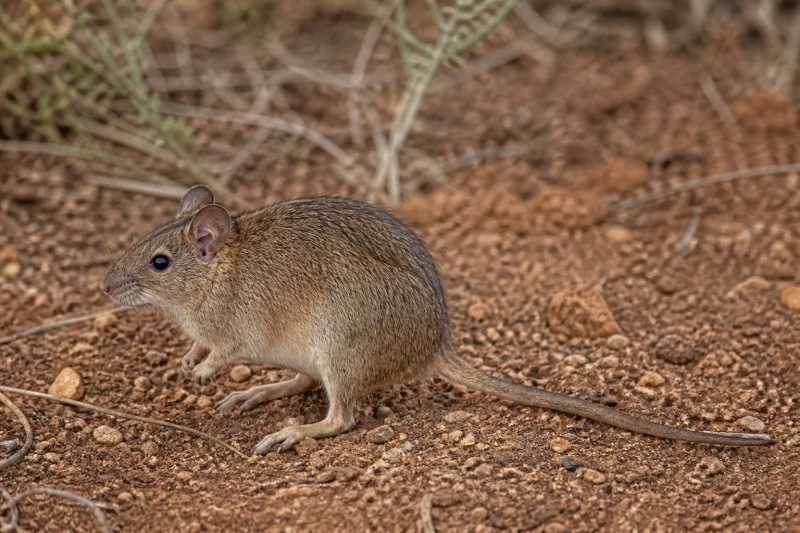
Brants’s Whistling Rat is a medium-sized rodent characterized by its robust body and short limbs. Typically measuring between 15 to 20 centimeters in length, with a tail approximately 5 to 8 centimeters long, this species displays a relatively uniform coloration that ranges from sandy brown to grayish-brown, allowing it to blend seamlessly into its desert surroundings.
The fur of Parotomys brantsii is soft and dense, providing insulation against the extreme temperatures of its habitat. It possesses a blunt, rounded snout and small, rounded ears. The eyes are relatively large, adapted for low-light conditions, which is typical for nocturnal or crepuscular animals. One of the most distinguishing features of Brants’s Whistling Rat is its ability to produce high-pitched calls, which it uses for communication and predator alert.
Range and Habitat
Brants’s Whistling Rat is predominantly found in the southern parts of Africa, with significant populations in Namibia, Botswana, and South Africa. This species thrives in arid and semi-arid environments, particularly favoring sandy deserts, scrublands, and areas with loose soil that facilitate burrowing.
The rat’s burrowing behavior is crucial for its survival, providing shelter from predators and extreme temperatures. These burrows can be extensive, often featuring multiple entrances and tunnels. The choice of habitat is closely linked to the availability of vegetation, as these rodents rely on plant material both for food and burrow construction.
Behavior and Diet
The behavior of Brants’s Whistling Rat is largely dictated by its need for thermoregulation and predator avoidance. It is primarily active during the cooler parts of the day—early morning and late afternoon—although it may also emerge at night during extremely hot weather.
Parotomys brantsii is herbivorous, with a diet consisting mainly of grasses, roots, and seeds. Its burrowing activity not only aids in accessing subterranean plant parts but also plays a role in aerating the soil, which can enhance plant growth and contribute to soil health.
Socially, Brants’s Whistling Rats are known for their vocal communication. The whistling sounds serve various purposes, from warning of predators to establishing territory and communicating with potential mates.
Identification Tips (Field Recognition Cues)
When attempting to identify Brants’s Whistling Rat in the field, consider the following cues:
- Size and Shape: Look for a medium-sized rodent with a compact body and short limbs.
- Coloration: Observe the sandy to grayish-brown fur, which provides camouflage in desert environments.
- Vocalization: Listen for distinctive high-pitched whistling calls, especially during the cooler parts of the day.
- Habitat: Check for sandy or scrubland areas with visible burrow entrances, which are indicative of this species’ presence.
Conservation Status (With Threats and Protections)
As of the latest assessments, Brants’s Whistling Rat is not currently listed as endangered or vulnerable. Its populations are considered stable, primarily due to its adaptability to arid environments and its wide distribution across southern Africa.
However, threats such as habitat destruction due to agricultural expansion and climate change pose potential risks. Changes in land use can lead to habitat fragmentation, which may impact food availability and burrow sites.
Conservation efforts focus on habitat preservation and monitoring population trends to ensure that the species remains at healthy levels. Protected areas in Namibia and South Africa provide some sanctuary from human encroachment.
Frequently Asked Questions
Why is this species unique?
Brants’s Whistling Rat is unique due to its vocal communication, which is uncommon among rodents. The high-pitched whistles serve as a sophisticated means of social interaction and predator warning, highlighting the species’ complex behavioral ecology.
What role does it play in the ecosystem?
This species contributes significantly to its ecosystem by aerating the soil through its burrowing activities. This behavior promotes soil health and plant growth, providing benefits to other species within the same habitat.
How does it adapt to desert environments?
Adaptations to desert life include burrowing to escape extreme temperatures and a diet tailored to available vegetation. Its nocturnal and crepuscular activity patterns enable it to avoid the harsh midday heat.
What are the main threats to its survival?
The primary threats to Brants’s Whistling Rat include habitat destruction from agriculture and the broader impacts of climate change. These factors can lead to habitat fragmentation and reduced food resources.
How can we help conserve this species?
Conservation can be supported by protecting natural habitats, promoting sustainable land use practices, and conducting research to better understand the species’ ecological needs and population dynamics.
Related posts