Introduction
Grandidier’s Tufted-tail Rat, scientifically known as Eliurus grandidieri, is a fascinating rodent species endemic to the unique ecosystems of Madagascar. Named in honor of Alfred Grandidier, an influential French naturalist, this species is a part of the Nesomyidae family, which is known for its diverse range of rodents. These small mammals are an integral part of Madagascar’s biodiversity, contributing to the ecological balance of their habitats. This article delves into the intricate details of Grandidier’s Tufted-tail Rat, covering its physical characteristics, habitat preferences, behavior, diet, conservation status, and more.
Physical Description
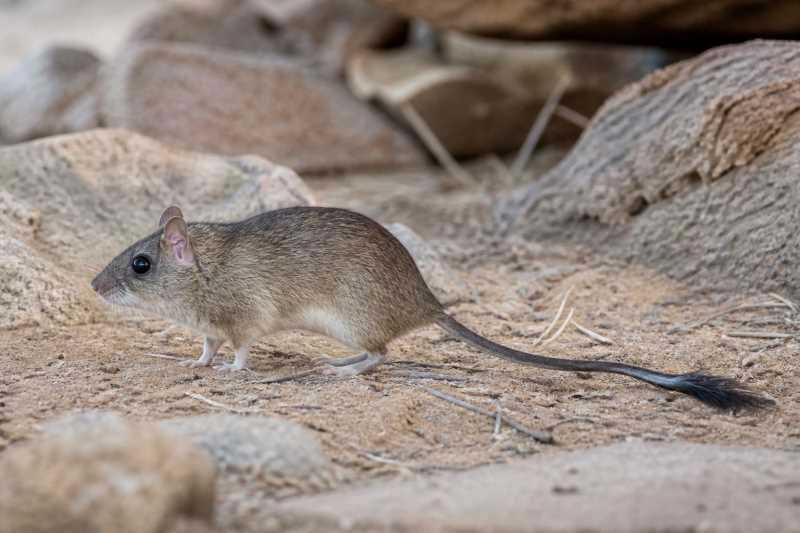
Grandidier’s Tufted-tail Rat is a small to medium-sized rodent, typically weighing between 40 to 60 grams and measuring around 18 to 22 centimeters in total length, including its distinctive tail. One of the most striking features of this species is its tufted tail, which is covered in long, soft hairs that form a brush-like appearance. The tail is usually dark brown or black, contrasting with the lighter fur of the body.
The body is covered with dense, soft fur that varies in color from a pale gray to a rich brown, depending on age and environmental factors. The underparts are generally lighter, often appearing whitish or cream. Grandidier’s Tufted-tail Rat has large, rounded ears that enhance its auditory capabilities, and its eyes are relatively large, suggesting a degree of nocturnal activity.
Range and Habitat
Grandidier’s Tufted-tail Rat is endemic to Madagascar, primarily inhabiting the island’s western dry deciduous forests. These environments are characterized by seasonal variations, with a dry season lasting several months, followed by a wet season. The species has adapted to survive in these conditions, often found in areas with abundant leaf litter and fallen branches, which provide ample cover and foraging opportunities.
Madagascar’s unique flora and fauna make it a biodiversity hotspot, and Grandidier’s Tufted-tail Rat plays a critical role in its ecosystem. The species is typically found at elevations ranging from sea level to around 800 meters, although exact distribution data are limited due to the difficulties in studying these elusive creatures in their natural habitat.
Behavior and Diet
Grandidier’s Tufted-tail Rat is primarily nocturnal, spending the daylight hours hidden in burrows or natural crevices. Its nocturnal lifestyle helps it avoid predators and the intense heat of the daytime. These rats are known to be solitary or found in small family groups, with each individual maintaining a defined territory.
Their diet is omnivorous, consisting mainly of seeds, fruits, and insects. The availability of food sources can vary greatly with the seasons, and Grandidier’s Tufted-tail Rat has adapted to this by being an opportunistic feeder. During the wet season, when food is abundant, they consume a higher proportion of fruits and seeds, while in the dry season, they rely more on insects and other available resources.
Identification Tips (Field Recognition Cues)
Identifying Grandidier’s Tufted-tail Rat in the field requires attention to several distinctive features:
- Tail: The most recognizable feature is the tufted tail, which is bushy and dark-colored, used for balance and communication.
- Ears and Eyes: Large, rounded ears and prominent eyes suggest nocturnal habits.
- Fur Coloration: The dorsal fur is usually gray to brown, with lighter underparts, aiding in camouflage.
- Size: A small to medium-sized rodent, typically around 18-22 cm in length.
Observation should ideally be conducted at dusk or dawn when these rodents are most active.
Conservation Status (with Threats and Protections)
Currently, Grandidier’s Tufted-tail Rat is classified as "Least Concern" on the IUCN Red List. However, this status does not imply that the species faces no threats. Habitat loss due to deforestation and agricultural expansion in Madagascar poses significant challenges to its survival. The degradation of dry deciduous forests, primarily for timber and charcoal production, directly impacts their natural habitat.
Conservation efforts in Madagascar focus on protecting natural habitats and promoting sustainable land use practices. Protected areas and national parks offer some refuge for these rodents, although enforcement and management of these areas can be challenging.
Frequently Asked Questions
1. What do Grandidier’s Tufted-tail Rats eat? Grandidier’s Tufted-tail Rats have an omnivorous diet, feeding on seeds, fruits, and insects. Their diet varies with the seasonal availability of food resources.
2. Where can Grandidier’s Tufted-tail Rats be found? These rats are endemic to Madagascar, primarily inhabiting the island’s western dry deciduous forests, ranging from sea level up to 800 meters in elevation.
3. How does Grandidier’s Tufted-tail Rat adapt to its environment? The species has adapted to its environment by being nocturnal, which helps avoid predators and extreme weather. Its diet flexibility also aids in survival during different seasons.
4. Why is the tail of Grandidier’s Tufted-tail Rat tufted? The tufted tail helps in balance and communication among these rodents. It is a distinctive feature that aids in their identification.
5. What threats do Grandidier’s Tufted-tail Rats face? The primary threat is habitat loss due to deforestation and agricultural expansion in Madagascar, which impacts their natural habitats and food sources.
Related posts