Brown-tailed Dwarf Cloud Rat: A Guide to the Enigmatic Rodent
Introduction
The Brown-tailed Dwarf Cloud Rat, scientifically known as Carpomys phaeurus, is a unique and elusive rodent species endemic to the Philippines. Distinguished by its small size and distinct coloration, this species remains one of the least understood members of the cloud rat family. Due to its limited range and specialized habitat, the Brown-tailed Dwarf Cloud Rat has become an intriguing subject of study for mammalogists and conservationists alike.
Physical Description
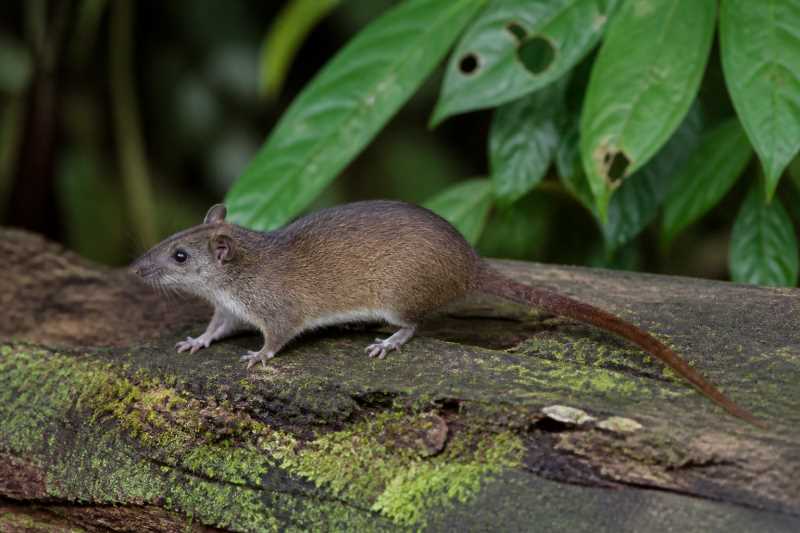
The Brown-tailed Dwarf Cloud Rat is characterized by its diminutive stature, measuring approximately 185 to 220 millimeters in body length, with a tail that adds an additional 140 to 180 millimeters. This rodent is named for its striking brown tail, which contrasts with its predominantly grayish-brown fur found on the rest of its body. The fur is dense and soft, providing insulation against the cool climates of its high-altitude habitat. Large, dark eyes and rounded ears are prominent features, aiding its nocturnal lifestyle. Its sharp claws and adapted limb structure make it an adept climber, navigating the forest canopy with ease.
Range and Habitat
The Brown-tailed Dwarf Cloud Rat is native to the montane forests of the Philippines, specifically found in the northern regions of Luzon Island. This species thrives in high-altitude environments, typically above 1,500 meters, where the dense cloud forest provides ample cover and resources. Such habitats are characterized by high humidity, frequent mist, and a diverse array of flora, offering both food and shelter to this arboreal rodent.
Behavior and Diet
As a nocturnal creature, the Brown-tailed Dwarf Cloud Rat is most active during the night, spending daylight hours in the safety of tree hollows or dense foliage. Its diet primarily consists of fruits, seeds, and possibly small invertebrates, reflecting the abundance of these resources within its forest environment. The species displays solitary behavior, although little is known about its social interactions due to its elusive nature. Their arboreal habits mean they spend much of their time in the forest canopy, rarely descending to the ground.
Identification Tips (Field Recognition Cues)
Spotting the Brown-tailed Dwarf Cloud Rat in its natural habitat requires keen observation skills and an understanding of its preferred environment. Look for these identifying cues:
- Tail Coloration: The species has a distinctive brown tail, which contrasts against its grayish-brown body fur.
- Size and Shape: A small rodent with a rounded body and large eyes, adapted for nocturnal activity.
- Habitat: Primarily found in high-altitude montane forests, often seen in the forest canopy at night.
- Behavior: Nocturnal and solitary, look for signs of activity such as disturbed vegetation or fruit remnants.
Conservation Status (with Threats and Protections)
The Brown-tailed Dwarf Cloud Rat is currently listed as Vulnerable on the IUCN Red List. The primary threats to its survival include habitat destruction due to logging, agricultural expansion, and human encroachment. The specific habitat requirements of this species make it particularly sensitive to environmental changes.
Conservation efforts are focused on habitat preservation and the establishment of protected areas to safeguard remaining populations. Further research is needed to better understand its ecology and inform effective conservation strategies.
Frequently Asked Questions
1. What is the Brown-tailed Dwarf Cloud Rat’s diet?
The diet of the Brown-tailed Dwarf Cloud Rat consists mainly of fruits, seeds, and potentially small invertebrates. Its foraging habits are adapted to the resources available in its montane forest habitat.
2. Where can the Brown-tailed Dwarf Cloud Rat be found?
This species is endemic to the Philippines, specifically inhabiting the montane forests of northern Luzon Island, typically at altitudes above 1,500 meters.
3. Why is the Brown-tailed Dwarf Cloud Rat considered vulnerable?
The Brown-tailed Dwarf Cloud Rat is considered vulnerable primarily due to habitat destruction from logging, agriculture, and human encroachment, which threatens its specialized high-altitude forest environment.
4. How can one identify the Brown-tailed Dwarf Cloud Rat in the wild?
Identification involves noting its small size, brown tail, and preference for nocturnal activity in high-altitude montane forests. Observers should look for signs of activity or listen for sounds in the forest canopy at night.
5. What conservation measures are in place for the Brown-tailed Dwarf Cloud Rat?
Conservation measures focus on habitat preservation and creating protected areas. Ongoing research aims to improve understanding of its ecology and inform further conservation actions.
Related posts