Introduction
The Black-tailed Dwarf Cloud Rat, scientifically known as Carpomys melanurus, is a rare and elusive rodent species that has captured the fascination of biologists and conservationists alike. This small mammal, part of the Muridae family, is endemic to the Philippines and is primarily found in the montane cloud forests of Luzon Island. The Black-tailed Dwarf Cloud Rat is an integral part of its ecosystem, contributing to seed dispersal and providing a prey base for predators. However, due to its limited range and habitat pressures, this species is of particular conservation concern.
Physical Description
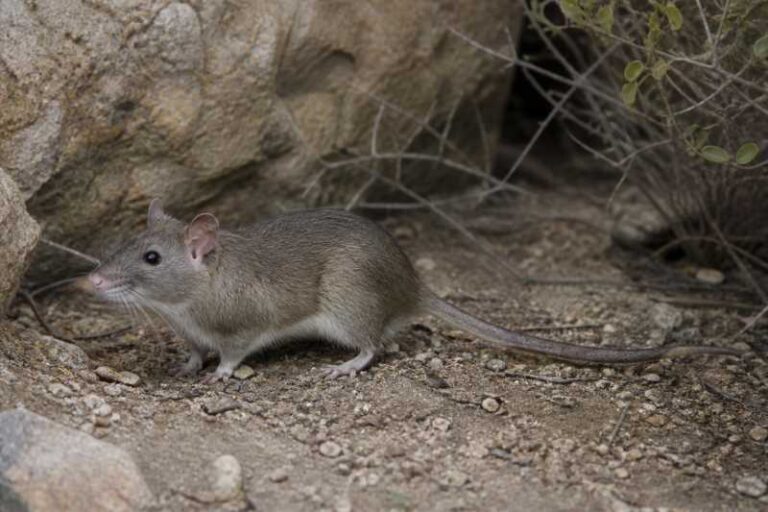
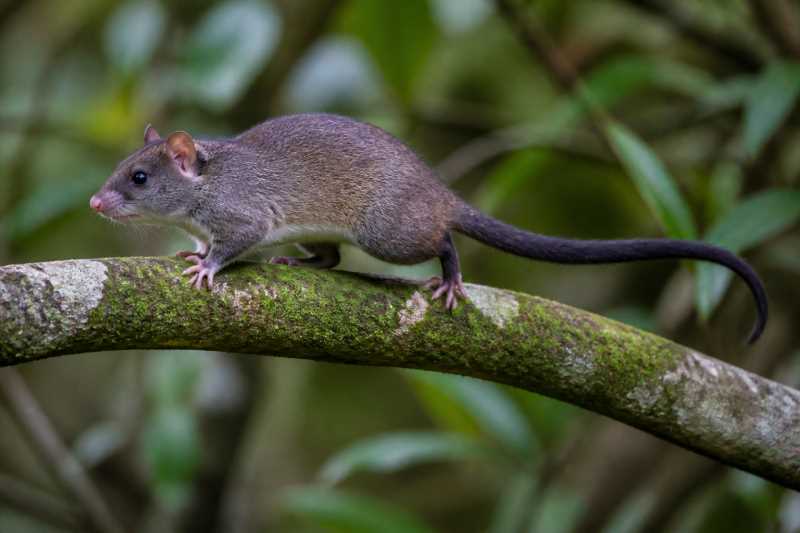
The Black-tailed Dwarf Cloud Rat is a diminutive rodent, measuring about 18 to 20 centimeters in length, including its distinctively black, bushy tail. It weighs approximately 120 to 150 grams, making it one of the smaller members of the genus Carpomys. Its fur is soft and dense, predominantly gray with a subtle brownish hue, which provides excellent camouflage against the forest floor and tree trunks. The ears are small and rounded, and its eyes are relatively large, a likely adaptation for its nocturnal lifestyle.
The tail, as its name suggests, is black and significantly bushy compared to other murid rodents. This feature not only aids in balance when navigating the arboreal environment but also serves as a distinguishing characteristic for identification. The feet are equipped with sharp claws, enabling it to climb and grasp onto branches and leaves efficiently.
Range and Habitat
The Black-tailed Dwarf Cloud Rat is found exclusively on Luzon Island in the Philippines, particularly in the Cordillera Central mountain range. Its habitat is primarily restricted to high-altitude montane cloud forests, typically above 1,500 meters. These forests are characterized by high humidity, frequent cloud cover, and a rich diversity of plant and animal life.
The cloud forests of Luzon are unique ecosystems where the Black-tailed Dwarf Cloud Rat plays a vital ecological role. These habitats provide the necessary resources for the rat’s survival, including shelter and a variety of food sources. Unfortunately, these habitats are under threat from logging, agricultural expansion, and climate change, which pose significant risks to the survival of this species.
Behavior and Diet
The Black-tailed Dwarf Cloud Rat is primarily nocturnal, spending its nights foraging for food and its days resting in the dense foliage or among the roots of large trees. Its diet is omnivorous, consisting mainly of fruits, seeds, and leaves, supplemented by insects and small invertebrates. This varied diet reflects the abundance of food sources available in its montane forest habitat.
Social behavior in this species is not well-documented, but it is believed to be solitary or to live in small family groups. Communication likely involves a range of vocalizations, scent markings, and body language, as is common among rodents. Its nocturnal and arboreal habits make it a challenging subject for study, contributing to the limited knowledge about its behavioral ecology.
Identification Tips (Field Recognition Cues)
Identifying the Black-tailed Dwarf Cloud Rat in the wild requires keen observation skills due to its elusive nature and the dense habitat it occupies. Here are some tips for field recognition:
- Tail Color and Texture: Look for the distinctive black, bushy tail, which is one of the most reliable identification features.
- Fur Color: Observe the soft, dense fur that is predominantly gray with a brownish tint, blending seamlessly with the forest environment.
- Size and Shape: Note the small size of the rat, measuring roughly 18 to 20 centimeters in total length.
- Behavior: Spotting the rat at night or in the early morning when it is most active can increase chances of identification.
- Habitat: Focus efforts in high-altitude montane cloud forests above 1,500 meters, where the species is known to inhabit.
Conservation Status (With Threats and Protections)
The Black-tailed Dwarf Cloud Rat is classified as Endangered on the IUCN Red List, primarily due to its restricted range and declining habitat quality. The major threats to its survival include:
- Deforestation: Logging and agricultural expansion continue to reduce its natural habitat.
- Climate Change: Altered weather patterns and temperature changes impact the delicate balance of the cloud forest ecosystem.
- Human Encroachment: Increased human activity in mountainous regions threatens the integrity of its habitat.
Conservation efforts are crucial to the survival of this species. Protected areas have been established in parts of Luzon, and conservation organizations are working to promote sustainable land use practices. Research and monitoring are ongoing to better understand the species’ ecology and to develop effective conservation strategies.
Frequently Asked Questions
What is the Black-tailed Dwarf Cloud Rat’s diet?
The Black-tailed Dwarf Cloud Rat is omnivorous, primarily eating fruits, seeds, and leaves, supplemented by insects and small invertebrates.
Where is the Black-tailed Dwarf Cloud Rat found?
This species is endemic to Luzon Island in the Philippines, specifically in high-altitude montane cloud forests of the Cordillera Central mountain range.
Why is the Black-tailed Dwarf Cloud Rat endangered?
The species is endangered due to habitat loss from deforestation, climate change effects, and increased human encroachment in its habitat.
How can you identify a Black-tailed Dwarf Cloud Rat?
Key identification features include its small size, bushy black tail, gray fur with a brownish hue, and nocturnal behavior in montane cloud forests.
What conservation efforts are in place for the Black-tailed Dwarf Cloud Rat?
Protected areas have been established, and ongoing research aims to understand the species better and promote sustainable practices to preserve its habitat.
Related posts