Introduction
The house mouse (Mus musculus) is a fascinating and highly adaptable mammal that has secured its place as one of the most ubiquitous rodents in the world. This small mammal is not only an important subject in scientific research but also a significant pest in agricultural and urban settings. Originating from Asia, the house mouse has successfully spread across the globe, thriving in a myriad of environments. Its ability to adapt to diverse living conditions and its close association with humans have made it a species of interest both ecologically and economically.
Physical Description
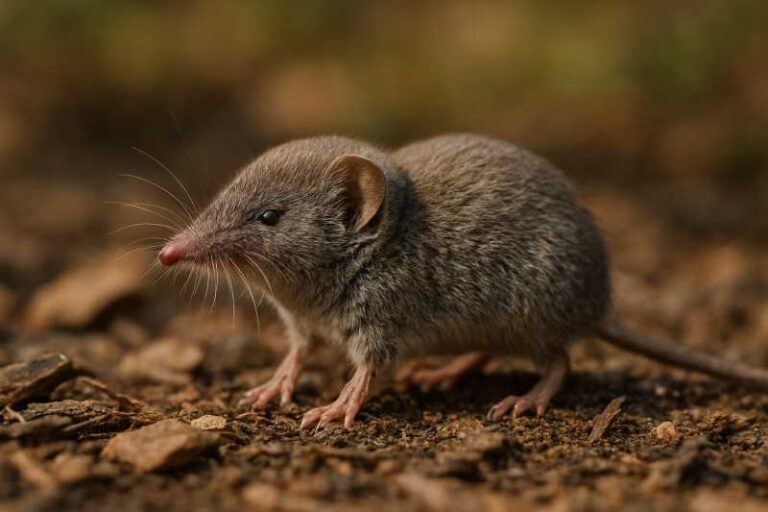
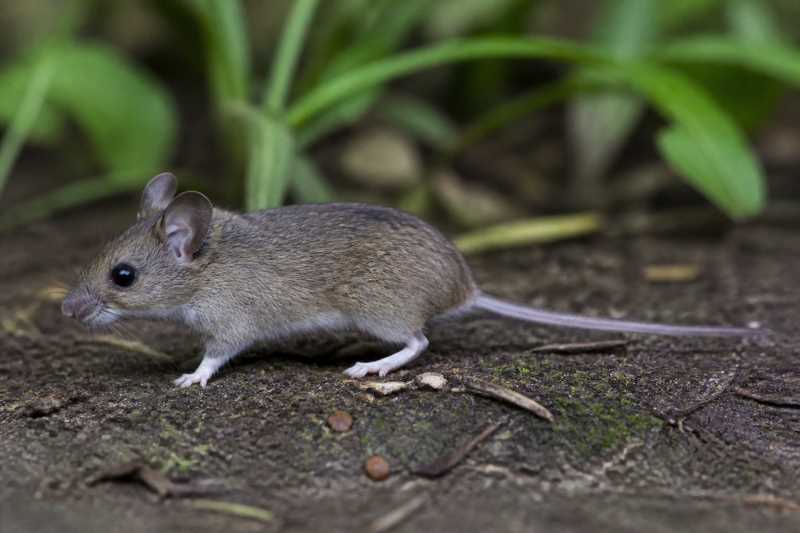
House mice are small rodents with a body length ranging from 7.5 to 10 centimeters, not including their long, thin tails which can add an additional 5 to 10 centimeters. They typically weigh between 12 and 30 grams. Their fur is generally short and smooth, varying in color from light brown to gray, with lighter shades on their undersides. The ears of a house mouse are large relative to their head, and their eyes are small and dark, suited for their nocturnal lifestyle. They have a pointed snout and long whiskers which aid in navigation and sensory perception.
Range and Habitat
The house mouse is a truly cosmopolitan species, found on every continent except Antarctica. Its close association with human settlements has allowed it to thrive in environments as varied as urban cities, rural farms, and even aboard ships. House mice prefer habitats that offer ample food and shelter, such as grain storage facilities, homes, and barns. In the wild, they are typically found in fields and forests, although they are less common in these areas due to competition with other rodent species. Their adaptability to different habitats is one of the reasons for their widespread distribution.
Behavior and Diet
House mice are primarily nocturnal creatures, although they can be active during the day if necessary. They are excellent climbers, jumpers, and swimmers, enabling them to access a wide range of environments and food sources. Socially, house mice are known to form small family groups, often dominated by a single male. Their communication involves a range of vocalizations, body postures, and pheromones.
The diet of a house mouse is omnivorous, consisting mainly of seeds and grains, but they are opportunistic feeders and will consume almost anything available. This includes fruits, vegetables, and even meat if necessary. Their dietary flexibility allows them to survive in various environments, whether in the wild or within human habitations.
Identification Tips (field recognition cues)
Identifying a house mouse in the field involves several key characteristics. Firstly, look for their small size and the distinctive long, hairless tail which often matches the length of their body. Their fur is usually a uniform brown or gray color, with lighter shades on the belly. The large ears and small eyes are also notable features. House mouse droppings, which are small, dark, and pointed at both ends, are another telltale sign of their presence. Finally, the characteristic musky odor associated with house mice can often alert you to their presence even before they are seen.
Conservation Status (with threats and protections)
The house mouse is not considered to be at risk of extinction. Classified as a species of "Least Concern" by the International Union for Conservation of Nature (IUCN), the house mouse’s population is stable and widespread. However, in some localized areas, they may face threats from habitat loss and predation. Their adaptability and reproductive rate, however, generally mitigate these threats.
In some regions, house mice are considered pests, and efforts are made to control their populations to prevent damage to crops and stored food. Conversely, in scientific and medical research, house mice are highly valued, leading to efforts to protect specific laboratory strains used in genetic and biomedical studies.
Frequently Asked Questions
1. What attracts house mice to homes? House mice are primarily attracted to homes by the availability of food, water, and shelter. They are particularly drawn to areas where food is easily accessible, such as kitchens and pantries. Cluttered spaces also provide excellent nesting sites.
2. How can I prevent a house mouse infestation? To prevent an infestation, seal any possible entry points into your home, such as gaps around doors and windows. Keep food stored in airtight containers and maintain a clean environment to reduce food sources.
3. Are house mice dangerous to humans? While house mice are not inherently dangerous, they can carry diseases and contaminate food supplies through their droppings and urine. It’s essential to manage their populations to minimize these risks.
4. How long do house mice live? In the wild, house mice typically have a lifespan of about 1 year due to predation and harsh conditions. In captivity, however, they can live up to 2-3 years with proper care.
5. What role do house mice play in ecosystems? House mice can impact ecosystems by serving as prey for various predators. They also play a role in seed dispersal and soil aeration, although their presence in non-native habitats can disrupt local ecosystems.
Related posts