Kondana Soft-furred Rat: The Endangered Rodent of the Western Ghats
Introduction
The Kondana Soft-furred Rat, scientifically known as Millardia kondana, is a rare and elusive rodent species that inhabits the Western Ghats in India. First described in 1975, this species is known for its limited range and specific habitat requirements, making it a subject of interest among conservationists and researchers. This article delves into the fascinating world of the Kondana Soft-furred Rat, exploring its physical characteristics, habitat, behavior, and the challenges it faces in the wild.
Physical Description
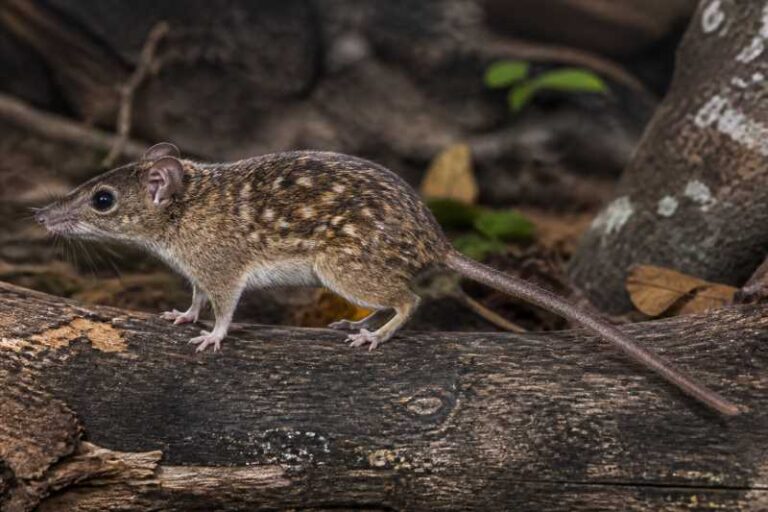
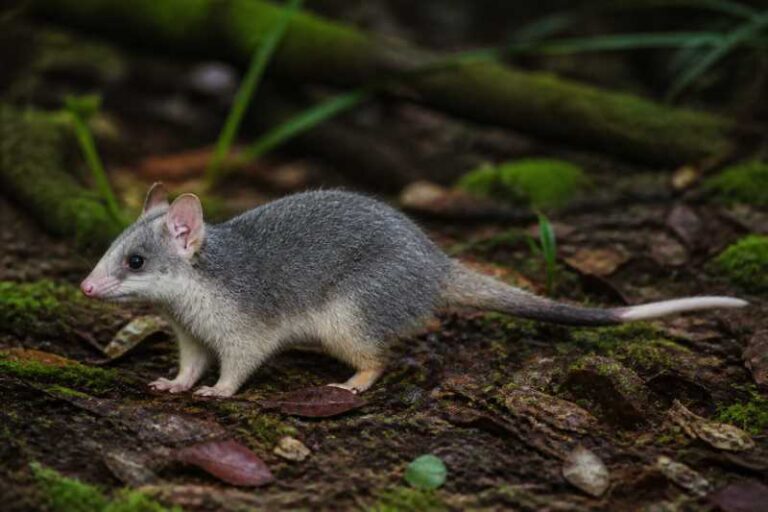
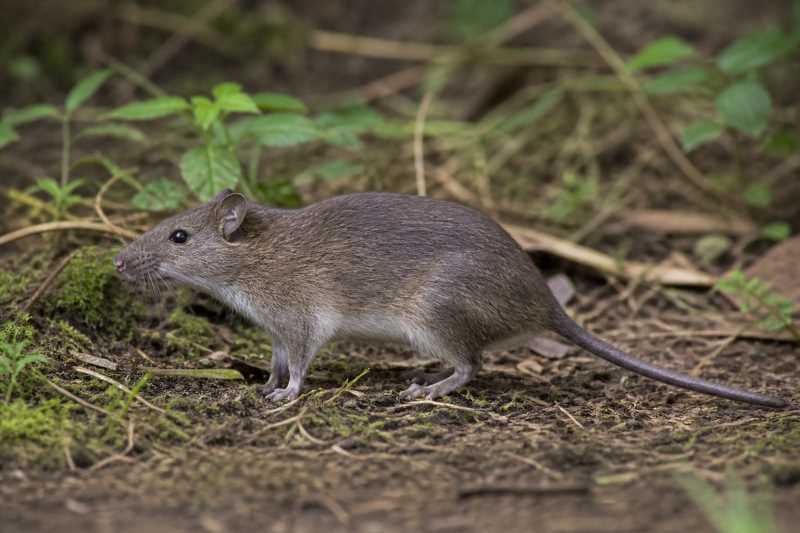
The Kondana Soft-furred Rat is a small to medium-sized rodent, characterized by its soft, dense fur, which is typically a brownish-gray color. This fur provides excellent camouflage against the rocky and earthy landscape of its habitat. The underparts are lighter, often appearing whitish or light gray. This species exhibits a relatively long tail, which is sparsely furred and darker in color compared to its body. Weighing between 70 to 100 grams, the Kondana Soft-furred Rat has a head-body length of about 12 to 15 centimeters, with the tail adding an additional 10 to 12 centimeters.
The facial features of the Kondana Soft-furred Rat include small, rounded ears and dark, prominent eyes that aid in nocturnal activities. Its whiskers are long and sensitive, providing tactile feedback essential for navigating its environment. The limbs are short but strong, adapted for burrowing and climbing the rocky terrain of its habitat.
Range and Habitat
The Kondana Soft-furred Rat is endemic to the northern region of the Western Ghats, specifically concentrated around the Sinhagad Fort area near Pune, Maharashtra. This restricted range makes it highly vulnerable to habitat disturbances. The species thrives in rocky, deciduous forest habitats, where it occupies crevices and burrows among the rocks. These areas provide both shelter and a strategic advantage for avoiding predators.
The habitat of the Kondana Soft-furred Rat is characterized by a dry, deciduous forest ecosystem with a distinct wet and dry season. The presence of rocky outcrops and sparse vegetation plays a crucial role in the species’ survival, offering both protection and food resources. Seasonal variations influence the availability of food, thus impacting the behavior and reproductive patterns of the Kondana Soft-furred Rat.
Behavior and Diet
The Kondana Soft-furred Rat is primarily nocturnal, emerging from its burrows during the night to forage for food. Its diet is omnivorous, consisting of seeds, fruits, and small invertebrates, which are abundant in its forest environment. The ability to adapt its diet based on seasonal availability is a key survival trait.
Socially, this species is known to be solitary, with limited interactions outside mating periods. The breeding season is typically aligned with the monsoon, when food resources are plentiful. Females give birth to small litters, usually comprising 2-4 young, after a gestation period of approximately 30 days. The young are altricial, requiring parental care in the initial weeks post-birth.
Identification Tips (Field Recognition Cues)
Identifying the Kondana Soft-furred Rat in the field requires keen observation and an understanding of its habitat preferences:
- Fur and Coloration: Look for the distinctive soft, brownish-gray fur with lighter underparts.
- Size and Tail: Note the small to medium size with a long, sparsely furred tail.
- Habitat: Focus on rocky, deciduous forest areas, particularly around the Sinhagad Fort region.
- Activity Patterns: Spotting them is more likely during dusk or night.
- Behavioral Signs: Look for signs of burrows or crevices that may indicate their presence.
Conservation Status (With Threats and Protections)
The Kondana Soft-furred Rat is classified as Critically Endangered on the IUCN Red List. Its limited distribution and specific habitat requirements make it highly susceptible to environmental changes and anthropogenic pressures. The primary threats to the Kondana Soft-furred Rat include habitat destruction due to agricultural expansion, urbanization, and infrastructure development.
Conservation efforts are crucial to the survival of this species. Protected areas near Sinhagad Fort help mitigate some habitat loss, but more comprehensive measures are needed. Conservation strategies include habitat restoration, legal protection, and ongoing research to monitor population trends and ecological requirements.
Frequently Asked Questions
What is the habitat of the Kondana Soft-furred Rat?
The Kondana Soft-furred Rat inhabits rocky, deciduous forests in the Western Ghats, specifically near Sinhagad Fort, Pune, Maharashtra. It prefers areas with rocky outcrops and sparse vegetation.
Why is the Kondana Soft-furred Rat endangered?
The species is endangered due to its limited range, habitat destruction, and human activities such as agriculture and urban development, which threaten its natural habitat.
How can you identify a Kondana Soft-furred Rat in the wild?
You can identify this rat by its soft, brownish-gray fur, long tail, rocky habitat preference, and nocturnal activity patterns.
What does the Kondana Soft-furred Rat eat?
Its diet is omnivorous, consisting of seeds, fruits, and small invertebrates, adapting based on seasonal availability.
What conservation measures exist for the Kondana Soft-furred Rat?
Conservation measures include habitat protection, legal safeguards, and research initiatives to better understand and protect the species.
Related posts