Introduction
The Biak Island Giant Rat, scientifically known as Uromys boeadii, is a fascinating species of rodent endemic to Biak Island in Indonesia. This elusive mammal is part of the Muridae family and has intrigued scientists and wildlife enthusiasts alike due to its distinctive characteristics and limited range. Despite its importance in the ecosystem, the Biak Island Giant Rat remains relatively understudied, making it a subject of interest for further research and conservation efforts.
Biak Island, part of the New Guinea archipelago, provides a unique habitat for this species. As an island endemic, the Biak Island Giant Rat plays a crucial role in the local biodiversity, contributing to the ecological balance of its habitat. Understanding its biology, behavior, and conservation status is vital to ensuring its survival in the face of environmental changes and human activities.
Physical Description
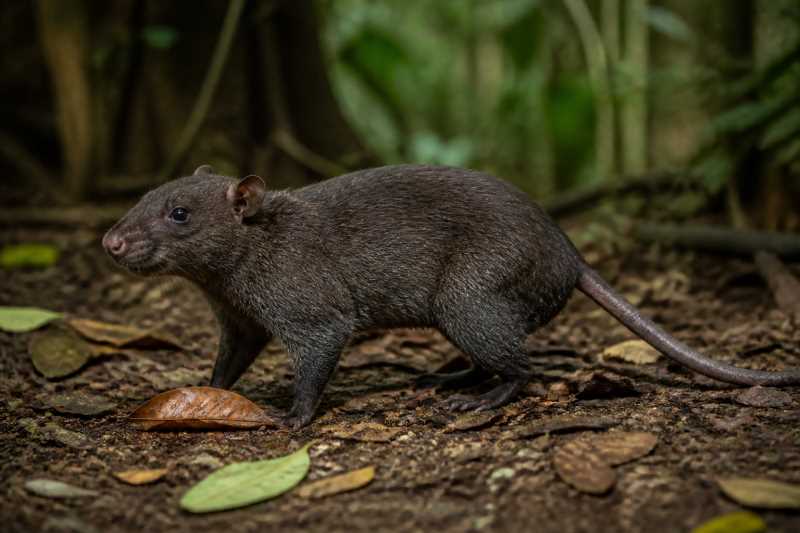
The Biak Island Giant Rat is aptly named for its large size compared to other rodents. Adult individuals typically weigh between 700 to 1,000 grams and measure approximately 30 to 35 centimeters in body length, excluding the tail. The tail itself is robust and slightly longer than the body, aiding in balance and movement through the trees.
This species exhibits a thick, dense fur coat, which is predominantly a dark gray or brown color, providing effective camouflage in its forest habitat. The fur is softer on the underbelly, where it transitions to a lighter shade of gray or white. The Biak Island Giant Rat has a broad head with small, rounded ears and large, prominent black eyes that are well-adapted for nocturnal activity.
The feet of the Biak Island Giant Rat are well-developed, with strong claws that facilitate climbing. These adaptations are essential for navigating the arboreal environment of their habitat, allowing them to forage and escape predators efficiently.
Range and Habitat
The Biak Island Giant Rat is exclusively found on Biak Island, which is located in the Cenderawasih Bay near the northern coast of Papua Province, Indonesia. This island ecosystem is characterized by tropical rainforest, a habitat replete with dense vegetation, towering trees, and a rich diversity of wildlife.
Within this environment, the Biak Island Giant Rat primarily occupies the forest canopy and understory. Its preference for arboreal habitats allows it to exploit food resources and evade ground-dwelling predators. The island’s equatorial climate, with high humidity and consistent rainfall, supports lush forest growth, providing ample shelter and food for the rat.
Behavior and Diet
The Biak Island Giant Rat is primarily nocturnal, emerging from its daytime resting sites in tree hollows or dense foliage after dusk. As a solitary creature, it tends to forage alone, although individuals may occasionally be seen in pairs or small groups, especially during breeding.
Its diet is omnivorous, consisting of a variety of fruits, seeds, nuts, and small invertebrates. The rat’s powerful jaws and sharp teeth allow it to crack open hard nuts and seeds, while its keen sense of smell aids in locating ripe fruits. Invertebrates, such as insects and small crustaceans, provide essential protein, supporting the rat’s growth and reproduction.
The Biak Island Giant Rat plays a vital role in seed dispersal, contributing to the regeneration of its forest habitat. By consuming fruits and excreting seeds in different locations, it aids in the propagation of various plant species, maintaining the ecological balance of the island.
Identification Tips (field recognition cues)
Identifying the Biak Island Giant Rat in the wild can be challenging due to its secretive nature and nocturnal habits. However, certain field recognition cues can assist in confirming its presence:
- Size and Build: Look for a large rodent with a robust body and a long, bushy tail. It is significantly bigger than common rats.
- Coloration: Observe the dark gray or brown fur, which may appear lighter on the underbelly. The coat should be dense and soft.
- Behavior: Note any nocturnal activity, such as movement in trees after dusk. The rat is rarely seen during daylight hours.
- Habitat: Focus on areas with dense forest canopy and understory. The presence of large trees and abundant foliage is a good indicator of suitable habitat.
- Sound: Listen for rustling noises in the trees, which may indicate the rat’s presence as it forages for food.
Conservation Status (with threats and protections)
The Biak Island Giant Rat is currently classified as "Data Deficient" by the International Union for Conservation of Nature (IUCN), primarily due to the lack of comprehensive studies on its population size and trends. However, several threats have been identified that could impact its survival:
- Habitat Loss: Deforestation for agriculture and logging poses a significant threat to the rat’s habitat. As forest cover decreases, so does the availability of suitable living and foraging spaces.
- Invasive Species: The introduction of non-native predators, such as cats and dogs, can lead to increased predation pressure on the rat.
- Climate Change: Alterations in climate patterns may affect the availability of food resources and the structure of the forest habitat.
Conservation efforts are crucial to protect the Biak Island Giant Rat. Initiatives include habitat preservation through the establishment of protected areas and raising awareness among local communities about the importance of biodiversity. Further research is needed to better understand the species’ ecology and inform conservation strategies.
Frequently Asked Questions
What does the Biak Island Giant Rat eat?
The Biak Island Giant Rat is omnivorous, feeding on a mix of fruits, seeds, nuts, and small invertebrates. Its diet plays a crucial role in seed dispersal within its ecosystem.
How can I identify a Biak Island Giant Rat in the wild?
Look for a large rodent with dark gray or brown fur, a bushy tail longer than its body, and activity in dense forest canopies at night. Listening for rustling in trees can also be a clue.
What are the main threats to the Biak Island Giant Rat?
The primary threats include habitat loss due to deforestation, predation by invasive species, and potential impacts from climate change. Conservation efforts focus on habitat protection and research.
Where is the Biak Island Giant Rat found?
This species is endemic to Biak Island in Indonesia, residing primarily in the tropical rainforest canopy and understory of the island’s rich ecosystem.
Why is the Biak Island Giant Rat important?
As a seed disperser, the Biak Island Giant Rat contributes to forest regeneration and biodiversity, playing a vital ecological role on Biak Island.
Related posts