Introduction
The Large Cordillera Shrew Mouse, scientifically known as Archboldomys maximus, is a captivating species of rodent endemic to the Philippines. Despite its relatively obscure status in the mammalian world, this species embodies a unique ecological niche within its native habitat. As a member of the Muridae family, the Large Cordillera Shrew Mouse contributes to the biological diversity of the region and plays a role in the intricate web of life in the Cordillera Central mountain range.
Understanding this species is crucial not only for biodiversity enthusiasts but also for conservationists aiming to preserve the delicate ecosystems of the Philippines. This article delves into the various aspects of Archboldomys maximus, including its physical characteristics, habitat, behaviors, and the conservation challenges it faces.
Physical Description
The Large Cordillera Shrew Mouse is a small rodent, yet it holds the title of the largest within its genus. On average, an adult measures approximately 12 to 15 cm in body length, with a tail that adds another 9 to 12 cm. Its weight ranges from 40 to 60 grams, distinguishing it as a relatively hefty member among shrew mice.
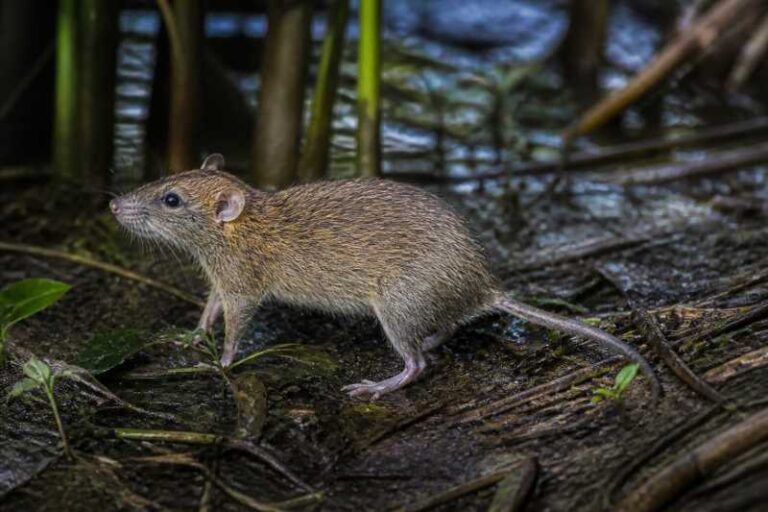
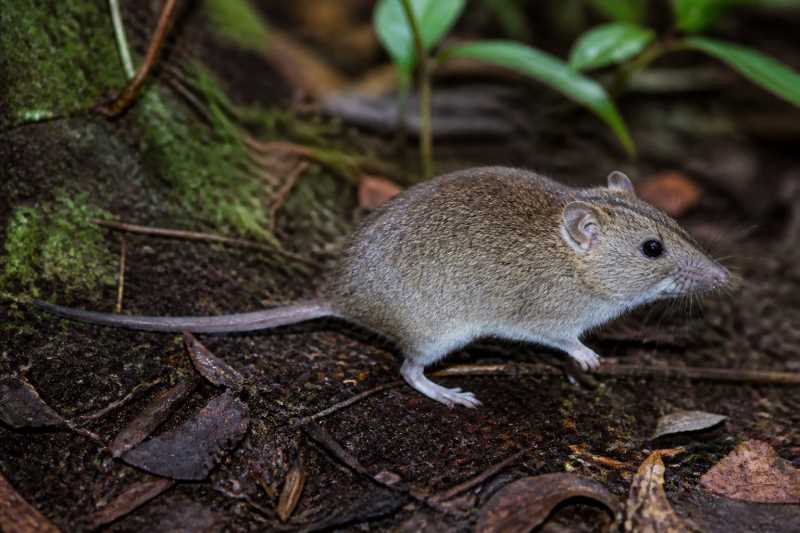
Characterized by a dense, velvety fur, the Large Cordillera Shrew Mouse boasts a rich brown coloration that seamlessly blends with the forest floor. Its underbelly is slightly lighter, often appearing in shades of gray or buff. The species exhibits a pointed snout and small, rounded ears that are partially concealed by its fur, adaptations that facilitate its subterranean lifestyle.
The limbs of Archboldomys maximus are short, yet robust, equipped with sharp claws that aid in digging and foraging. Its eyes are small and beady, indicative of a species that relies heavily on tactile and olfactory senses rather than visual cues.
Range and Habitat
The Large Cordillera Shrew Mouse is endemic to the island of Luzon, specifically thriving in the Cordillera Central region, a range known for its rugged terrain and lush montane forests. This species is typically found at elevations ranging from 1,200 to 2,700 meters, where the climate is cooler and the vegetation is dense.
The habitat of Archboldomys maximus is primarily composed of mossy forests, characterized by high humidity and thick underbrush. These environments provide ample cover and a rich supply of leaf litter, which supports the shrew mouse’s foraging activities. The presence of streams and small bodies of water within these habitats also plays a crucial role in maintaining the moisture levels necessary for their survival.
Behavior and Diet
The Large Cordillera Shrew Mouse is a nocturnal and solitary creature, most active during the night when it forages for food. Its diet is predominantly carnivorous, consisting mainly of insects, small invertebrates, and occasionally, seeds and plant matter. This dietary preference highlights its role as both a predator and a contributor to seed dispersal within its ecosystem.
Behaviorally, Archboldomys maximus is known for its burrowing habits. It constructs intricate burrow systems that not only serve as protection from predators but also as a means of regulating temperature and humidity. These burrows are often lined with leaves and other plant material to provide insulation and comfort.
Identification Tips (Field Recognition Cues)
Identifying the Large Cordillera Shrew Mouse in the wild requires careful observation and an understanding of its distinctive features:
- Size and Shape: Look for a rodent with a body length of 12 to 15 cm and a tail nearly as long as its body.
- Fur Coloration: Note the rich brown fur with a lighter underbelly, which helps it blend into the forest floor.
- Small, Rounded Ears: These are partially hidden by its fur, a key distinguishing feature.
- Behavior: If observed at night, note its solitary and nocturnal habits and its tendency to forage on the forest floor.
- Habitat: Presence in high-elevation mossy forests within the Cordillera Central region is a strong indicator.
Conservation Status (With Threats and Protections)
The conservation status of the Large Cordillera Shrew Mouse is currently listed as "Vulnerable" by the IUCN Red List. This status is primarily due to habitat loss driven by deforestation, agricultural expansion, and human encroachment. The degradation of its montane forest habitat poses a significant threat to its survival.
Efforts to protect Archboldomys maximus include the establishment of protected areas within its natural range and initiatives aimed at reforesting degraded lands. Conservationists are also advocating for stricter enforcement of environmental laws to prevent illegal logging and land conversion.
Community-based conservation efforts have shown promise, as local populations are engaged in sustainable practices that benefit both the environment and the local economy. Education and awareness campaigns are crucial in fostering a sense of stewardship among the residents of Luzon.
Frequently Asked Questions
What is the primary diet of the Large Cordillera Shrew Mouse?
The Large Cordillera Shrew Mouse primarily feeds on insects and small invertebrates. It may also consume seeds and plant matter, making it an integral part of its ecosystem as both a predator and a seed disperser.
Where can the Large Cordillera Shrew Mouse be found?
This species is endemic to the island of Luzon in the Philippines, specifically within the Cordillera Central region. It inhabits high-elevation mossy forests at altitudes between 1,200 and 2,700 meters.
What are the main threats to the Large Cordillera Shrew Mouse?
The main threats to the Large Cordillera Shrew Mouse include habitat loss due to deforestation and agricultural expansion. Conservation efforts are focused on protecting its natural habitat and preventing further degradation.
How does the Large Cordillera Shrew Mouse adapt to its environment?
The Large Cordillera Shrew Mouse adapts to its environment through its nocturnal and solitary behaviors, as well as its burrowing habits. Its dense fur and small ears are adaptations to the cool, moist conditions of its montane forest habitat.
Related posts