Introduction
The Mount Mingan Forest Mouse, scientifically known as Apomys minganensis, is a unique and lesser-known rodent species endemic to the Philippines. This elusive creature has captivated researchers and wildlife enthusiasts due to its specialized habitat and intriguing behaviors. Understanding the species is not only essential for biodiversity but also for conservation efforts crucial to maintaining ecological balance in its native region.
Physical Description
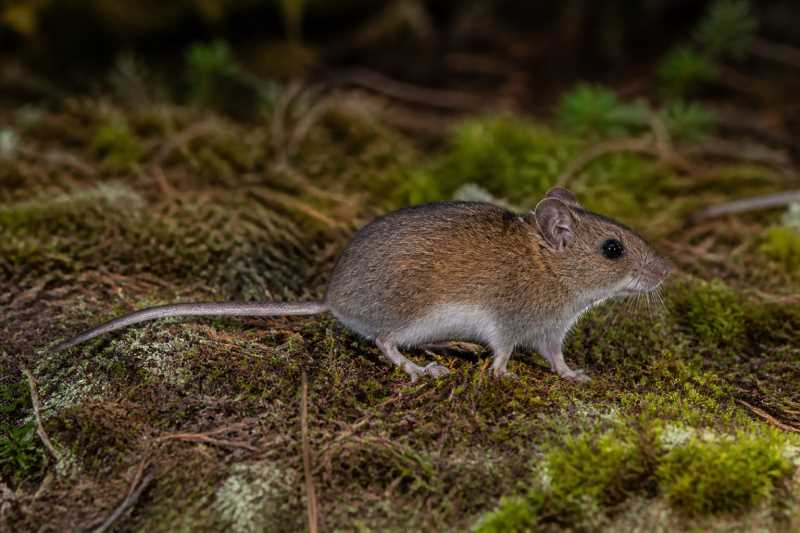
The Mount Mingan Forest Mouse is a small rodent characterized by its soft fur, which is generally a mix of brown and gray hues, providing excellent camouflage in its forest environment. It has a pointed snout, large ears, and a relatively long tail, which is often about the same length as its body. Adult mice typically weigh between 40 to 50 grams and measure approximately 18 to 20 centimeters from nose to tail. Its delicate structure is adapted for life in dense forest underbrush, allowing it to navigate easily through its habitat.
Range and Habitat
Apomys minganensis is exclusively found in the Luzon Island mountain ranges, particularly in the Mount Mingan area, hence its common name. The species thrives in montane and mossy forest ecosystems, ranging in elevation from 1,200 to 1,800 meters. These environments are rich in biodiversity and are critical to the survival of the species due to the availability of food resources and suitable nesting sites. The dense canopy and thick understory provide both shelter and protection from predators.
Behavior and Diet
This nocturnal mammal is most active during the night when it forages for food. Its diet primarily consists of seeds, fruits, and insects, making it an omnivore. The Mount Mingan Forest Mouse plays a vital role in seed dispersal, contributing to forest regeneration. It is known for its solitary behavior, although it occasionally interacts with other members of its species during the breeding season, which occurs once or twice a year depending on environmental conditions.
Identification Tips (Field Recognition Cues)
Spotting the Mount Mingan Forest Mouse in the wild can be challenging due to its elusive nature and effective camouflage. However, there are several key identification tips to aid researchers and enthusiasts:
- Size and Shape: Look for a small rodent with a long tail and large ears, typical of the Apomys genus.
- Behavior: Active during twilight and nighttime, often seen foraging on the forest floor or climbing low vegetation.
- Fur Coloration: A blend of brown and gray fur that blends seamlessly with forest debris and leaf litter.
- Tracks and Droppings: Look for small, delicate tracks and droppings near potential food sources.
Conservation Status (With Threats and Protections)
As of the latest assessments, the Mount Mingan Forest Mouse is classified as "Near Threatened" by the International Union for Conservation of Nature (IUCN). The primary threat to the species is habitat loss due to deforestation and land conversion for agriculture. Logging and mining activities in the region also pose significant risks. Additionally, climate change impacts, such as altered precipitation patterns, threaten the delicate balance of its montane habitat.
Conservation efforts are crucial and include habitat protection, reforestation projects, and legal frameworks to limit land-use changes. The establishment of protected areas in Luzon Island’s mountain ranges is essential for preserving the species’ habitat.
Frequently Asked Questions
1. What do Mount Mingan Forest Mice eat? The Mount Mingan Forest Mouse primarily feeds on seeds, fruits, and insects. As an omnivore, it plays a critical role in seed dispersal and helps control insect populations within its ecosystem.
2. Where can I find the Mount Mingan Forest Mouse? This species is endemic to the Philippines, specifically the mountain ranges of Luzon Island, including the Mount Mingan area. It inhabits montane and mossy forests at elevations between 1,200 and 1,800 meters.
3. How is the Mount Mingan Forest Mouse protected? Conservation efforts include habitat protection through the establishment of protected areas, reforestation projects, and legal measures to prevent deforestation and land conversion that threaten its habitat.
4. Why is the Mount Mingan Forest Mouse important to its ecosystem? The Mount Mingan Forest Mouse plays a crucial role in its ecosystem by aiding in seed dispersal and controlling insect populations, which helps maintain the forest’s health and biodiversity.
5. How can I help protect the Mount Mingan Forest Mouse? Supporting conservation organizations, advocating for sustainable land use, and raising awareness about the importance of biodiversity in the Philippines are ways to contribute to the protection of this species.
Related posts