Introduction
The Common Rufous-nosed Rat, scientifically known as Oenomys hypoxanthus, is a fascinating species within the rodent family. Predominantly found in certain regions of West and Central Africa, this mammal plays a vital role in its ecosystem. Despite its relatively inconspicuous appearance, the Rufous-nosed Rat is an integral component of the biodiversity in its habitat. Understanding the characteristics, behaviors, and conservation status of this species is crucial not only for scientists and ecologists but also for conservationists working to preserve its natural environment.
Physical Description
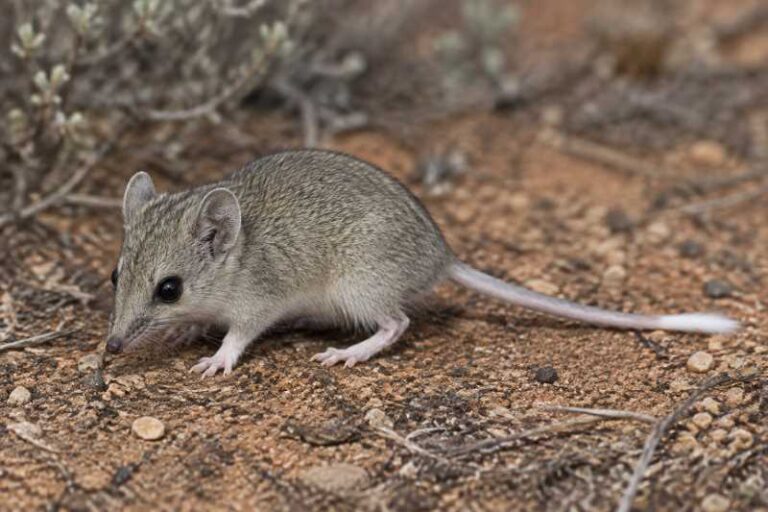
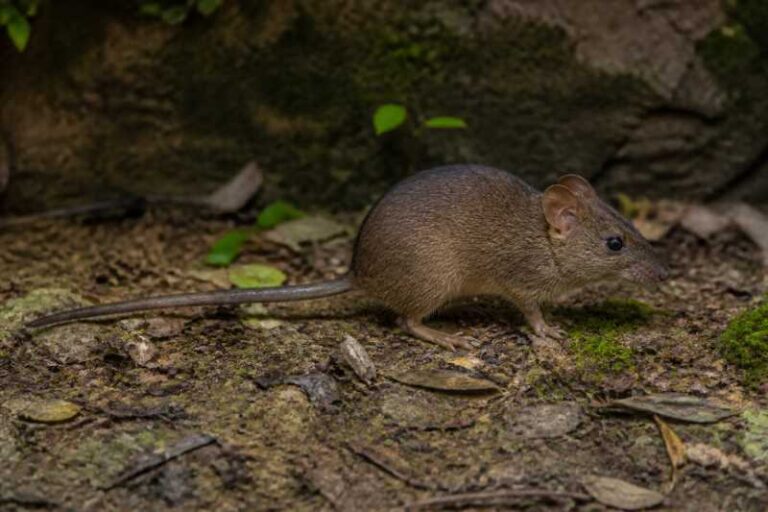
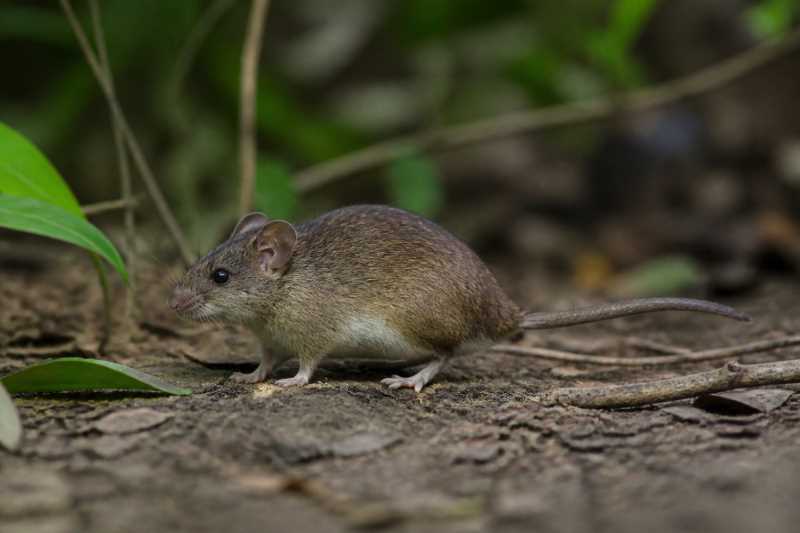
The Common Rufous-nosed Rat is characterized by its distinctive reddish-brown nose, which is the feature from which it derives its common name. This species has a medium-sized body with an overall length ranging from 20 to 30 centimeters, including the tail. The fur is generally soft and dense, with a coloration that varies from greyish-brown on the back to a lighter, often whitish underbelly. Its tail is typically as long as or slightly longer than the body, covered in fine scales with sparse hairs. The ears are small and rounded, complementing its subtle facial features.
The feet of the Rufous-nosed Rat are adapted for climbing, featuring sharp claws that enable it to navigate its arboreal habitat efficiently. The eyes are relatively large, suggesting a nocturnal lifestyle, and the whiskers are long and sensitive, providing crucial sensory input in the dimly-lit environments it inhabits.
Range and Habitat
Oenomys hypoxanthus is predominantly found in the forested regions of West and Central Africa. Its range extends across countries such as Nigeria, Cameroon, Gabon, and the Democratic Republic of the Congo. The species thrives in moist tropical forests, where it can be found from lowland areas to montane regions up to 2,000 meters above sea level.
This rat prefers areas with dense vegetation, which provides ample cover from predators and an abundant supply of food resources. It is also known to inhabit secondary forests and sometimes ventures into agricultural lands, particularly those that are adjacent to forested areas.
Behavior and Diet
The Common Rufous-nosed Rat is primarily nocturnal, spending most of its active hours foraging for food during the night and resting in nests during the day. It is an omnivorous species, with a diet that includes seeds, fruits, leaves, and small invertebrates. The rat’s foraging behavior plays a significant role in seed dispersal, contributing to the ecological health of its forest habitat.
Socially, the Rufous-nosed Rat is relatively solitary, although it may be seen in small groups during the breeding season. Communication is facilitated through a range of vocalizations and olfactory signals, important for territory marking and mate attraction.
Identification Tips (field recognition cues)
Identifying the Common Rufous-nosed Rat in the wild can be challenging due to its elusive nature. However, several key features can aid in its recognition:
- Look for the distinctive reddish-brown nose, a unique feature among rodents in its habitat.
- Observe the fur coloration: a greyish-brown back with a contrasting lighter underbelly.
- Note the tail length, which is typically equal to or longer than the body, with a noticeable lack of dense fur.
- Listen for nocturnal vocalizations, which may indicate the presence of this species.
- Check for evidence of seed caching and the presence of nests in dense vegetation.
Conservation Status (with threats and protections)
The Common Rufous-nosed Rat is currently classified as a species of Least Concern by the International Union for Conservation of Nature (IUCN). However, like many forest-dwelling species, it faces threats from habitat destruction due to logging and agricultural expansion. Deforestation in West and Central Africa poses a significant risk, potentially leading to habitat fragmentation and population declines.
Conservation efforts focus on preserving forest habitats through the establishment of protected areas and promoting sustainable land use practices. Research initiatives aimed at understanding the ecology and behavior of Oenomys hypoxanthus are also crucial for developing effective conservation strategies.
Frequently Asked Questions
1. What is the habitat preference of the Common Rufous-nosed Rat?
The Common Rufous-nosed Rat prefers moist tropical forests with dense vegetation, primarily found in West and Central Africa. It thrives in both lowland and montane regions up to 2,000 meters above sea level.
2. How does the Common Rufous-nosed Rat contribute to its ecosystem?
As an omnivore, the Common Rufous-nosed Rat plays a role in seed dispersal and in controlling insect populations, thus maintaining ecological balance within its forest habitat.
3. What are the main threats to the Common Rufous-nosed Rat?
The primary threats include habitat destruction due to logging and agricultural expansion, leading to potential habitat fragmentation and population declines.
4. How can one identify the Common Rufous-nosed Rat in the wild?
Key identification features include a reddish-brown nose, greyish-brown fur with a lighter underbelly, a long tail, and nocturnal activity patterns.
5. What conservation measures are in place for the Common Rufous-nosed Rat?
Conservation measures focus on habitat preservation through protected areas and research initiatives aimed at understanding the species’ ecology and behavior.
Related posts