Introduction
The Papuan Lowland Mosaic-tailed Rat, scientifically known as Paramelomys levipes, is a fascinating rodent species that inhabits the lush lowland rainforests of Papua New Guinea. Part of the Muridae family, this species is notable for its adaptation to the dense, humid environments of its habitat. As a member of the genus Paramelomys, this rat is closely related to other mosaic-tailed rats, which are distinguished by their unique tail patterns and ecological diversity. Understanding the Papuan Lowland Mosaic-tailed Rat is crucial for appreciating the biodiversity of New Guinea’s rich ecosystems and addressing conservation needs in the face of environmental changes.
Physical Description
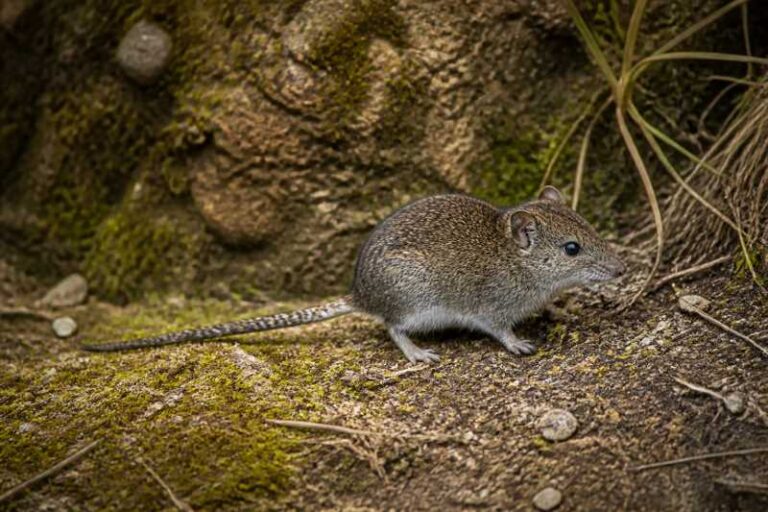
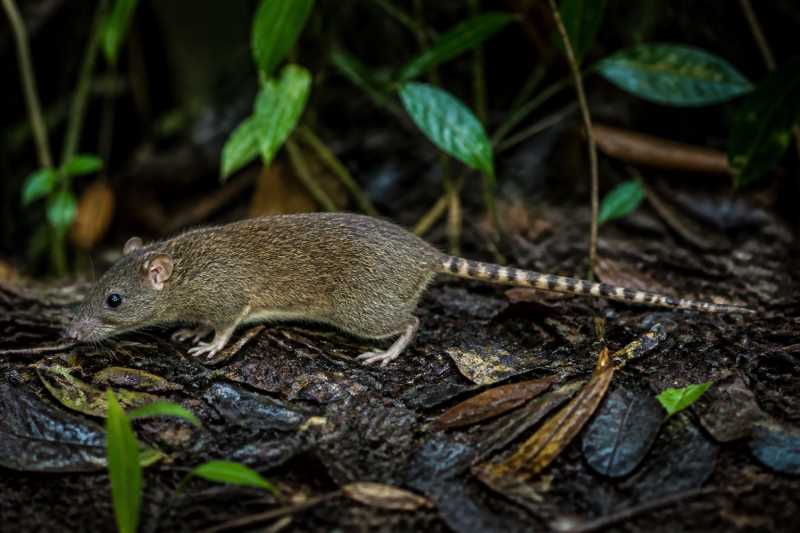
The Papuan Lowland Mosaic-tailed Rat is a medium-sized rodent, characterized by its robust body and distinctive tail features. Adults typically measure around 150-200 mm in body length with a tail length that roughly matches or slightly exceeds the body size. The tail is particularly noteworthy for its mosaic-like scale pattern, which gives the genus its common name. This pattern not only provides a grip advantage in its arboreal lifestyle but also aids researchers and enthusiasts in identifying the species in the field.
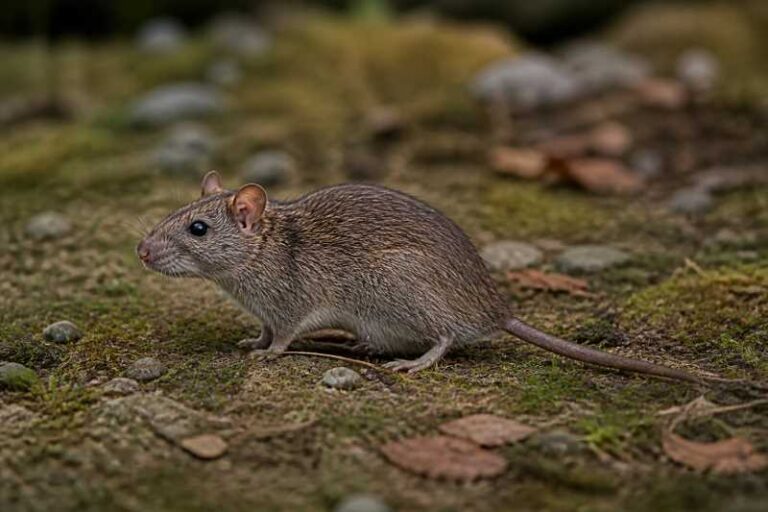
This rat’s fur is dense and soft, with a coloration that ranges from brown to dark grey on the dorsal side, providing effective camouflage among the forest floor and foliage. The ventral side is lighter, typically a pale grey or white, which may play a role in thermoregulation and further camouflage. The Paramelomys levipes has small rounded ears and dark, beady eyes that are well-adapted to its nocturnal lifestyle.
Range and Habitat
Paramelomys levipes is endemic to the lowland rainforests of Papua New Guinea, where it occupies a range of forested environments from sea level up to approximately 1,200 meters in elevation. These habitats are characterized by high humidity, dense vegetation, and a rich diversity of plant and animal life. The rat thrives in both primary and secondary forests, showcasing its adaptability to various levels of forest degradation and human activity.
The presence of this species in both untouched and altered habitats indicates its ecological flexibility, although it primarily favors undisturbed rainforest environments. The thick canopy and abundant undergrowth provide ample food resources and shelter, crucial for the survival and reproductive success of the species.
Behavior and Diet
The Papuan Lowland Mosaic-tailed Rat is primarily nocturnal, foraging for food under the cover of darkness to avoid predators. Its diet is omnivorous, consisting of a variety of fruits, seeds, small invertebrates, and occasionally fungi. This varied diet not only satisfies its nutritional requirements but also aids in seed dispersal, making it an integral part of its ecosystem’s health and regeneration.
Social behavior in Paramelomys levipes is not extensively documented, though like many rodents, it is presumed to have a relatively solitary lifestyle outside of breeding periods. Reproductive cycles and parental care strategies remain an area of ongoing research, with current understanding suggesting they follow a typical rodent pattern of multiple litters per year, each consisting of several young.
Identification Tips
When attempting to identify the Papuan Lowland Mosaic-tailed Rat in the field, there are several key characteristics to note:
- Tail Pattern: Look for the distinctive mosaic-like scales on the tail, which are a hallmark of the Paramelomys genus.
- Fur Coloration: Observe the contrast between the darker dorsal fur and the lighter ventral coloring.
- Size: Consider the medium size of the rat, with body and tail lengths both around 150-200 mm.
- Habitat: Note the environment; sightings are most common in dense lowland tropical rainforests.
- Activity: Look for signs during the night, as this species is nocturnal.
Conservation Status
Currently, the Papuan Lowland Mosaic-tailed Rat is classified as Least Concern by the International Union for Conservation of Nature (IUCN). However, various factors pose threats to its population, primarily habitat destruction due to logging, agriculture, and human settlement expansion. The degradation and fragmentation of rainforest habitats can lead to significant population declines, as these environments are crucial for the species’ survival.
Despite these threats, the rat’s adaptability to secondary forests offers some resilience against habitat changes. Conservation efforts aimed at preserving rainforest ecosystems are vital to protect not only Paramelomys levipes but also the myriad other species that rely on these habitats. Protected areas and sustainable land management practices are essential strategies in mitigating the impacts of human activities.
Frequently Asked Questions
1. What does the Papuan Lowland Mosaic-tailed Rat eat?
Paramelomys levipes has an omnivorous diet, feeding on fruits, seeds, small invertebrates, and fungi. This diet supports its role in seed dispersal within the rainforest ecosystem.
2. Where can the Papuan Lowland Mosaic-tailed Rat be found?
This species is endemic to Papua New Guinea, inhabiting lowland rainforests from sea level up to about 1,200 meters. It thrives in both primary and secondary forest environments.
3. How can I identify a Papuan Lowland Mosaic-tailed Rat?
Key identification features include its medium size, distinctive mosaic-like tail scales, dark dorsal fur, and lighter ventral fur. It is primarily nocturnal, so sightings are more common at night.
4. Is the Papuan Lowland Mosaic-tailed Rat endangered?
Currently, it is classified as Least Concern. However, habitat destruction poses a significant threat, emphasizing the need for ongoing conservation efforts.
5. What are the main threats to the Papuan Lowland Mosaic-tailed Rat?
The primary threats include habitat loss due to logging, agriculture, and human encroachment. Conservation strategies focus on habitat preservation and sustainable land use.
Related posts