Introduction
The Griselda Striped Grass Mouse, scientifically known as Lemniscomys griselda, is a captivating rodent species that captures the interest of researchers and wildlife enthusiasts alike. Belonging to the family Muridae, this species is part of the larger group of striped grass mice, known for their distinctive markings and fascinating behaviors. While not as widely recognized as some other mammals, the Griselda Striped Grass Mouse plays a significant role in its ecosystem and serves as an excellent subject for studying mammalian adaptation and survival strategies.
Understanding this species is crucial, not only for ecological research but also for conservation efforts. With habitat loss and environmental changes posing threats to many wildlife species, documenting and disseminating information about less-known species like the Griselda Striped Grass Mouse is essential. This article delves into various aspects of the species, from its physical attributes and habitat preferences to its behavioral patterns and conservation status.
Physical Description
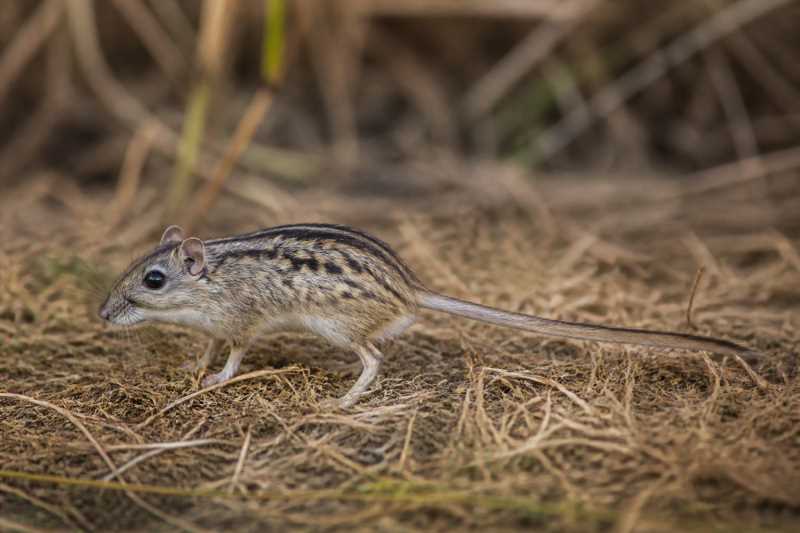
The Griselda Striped Grass Mouse is a small rodent, characterized by its distinctive striped pattern. Adults typically measure between 10 to 15 centimeters in body length, with a tail that adds an additional 10 to 12 centimeters. This tail is not only relatively long but also prehensile, aiding the mouse in maintaining balance and navigating through its environment.
The fur of the Griselda Striped Grass Mouse is soft and dense, providing it with protection against various environmental elements. The dorsal side of the mouse is marked with a series of longitudinal stripes. These stripes can range in color from a pale sandy hue to a darker brown, allowing the mouse to blend seamlessly with the tall grasses of its habitat. The ventral side is usually lighter, often a shade of white or light gray, which helps in camouflaging against predators when viewed from below.
Range and Habitat
Lemniscomys griselda is native to sub-Saharan Africa, with its range extending across several countries, including Nigeria, Cameroon, and the Democratic Republic of the Congo. This species thrives in savanna regions, where its striped body provides excellent camouflage among the tall grasses and scattered shrubs.
The Griselda Striped Grass Mouse prefers habitats that offer a blend of open grasslands and areas with denser vegetation. Such environments provide ample opportunities for foraging while offering protection against predators. Additionally, the presence of water sources in these habitats is crucial, as it supports the rich diversity of plant and insect life that forms the mouse’s diet.
Behavior and Diet
The Griselda Striped Grass Mouse is primarily diurnal, meaning it is most active during the day. This behavior is somewhat unusual for rodents, which are often nocturnal. During daylight hours, the mouse is often seen foraging for food or constructing its burrow.
The diet of the Griselda Striped Grass Mouse is omnivorous. It primarily feeds on seeds, grains, and various types of vegetation. Insects and small invertebrates also constitute a significant portion of its diet, providing the necessary protein for growth and development. The mouse’s foraging behavior is opportunistic, allowing it to adapt to varying food availability in its habitat.
Socially, the Griselda Striped Grass Mouse is known to be quite gregarious, often forming small colonies. These colonies are typically centered around family groups, which collaborate in activities such as foraging and burrow maintenance. This social structure not only enhances survival prospects but also facilitates learning and adaptation among younger members.
Identification Tips
Field identification of the Griselda Striped Grass Mouse can be challenging due to its similarity to other striped rodents. However, several key features can aid in distinguishing this species:
- Striped Pattern: Look for the distinct longitudinal stripes on the dorsal side, which are more pronounced and consistent compared to related species.
- Tail Length: The relatively long, prehensile tail is a distinguishing feature, often as long as or longer than the body itself.
- Size and Build: Compared to some other grass mice, the Griselda Striped Grass Mouse tends to have a slightly more robust build, with a broader head.
- Activity Pattern: Observing the activity pattern can also be helpful; this species is more likely to be seen during the day.
Conservation Status
The conservation status of the Griselda Striped Grass Mouse is currently classified as Least Concern by the International Union for Conservation of Nature (IUCN). However, this does not imply that the species faces no threats. Habitat loss due to agricultural expansion and urban development poses significant risks to its populations.
Moreover, climate change is altering the ecosystems where these mice thrive, potentially leading to decreased food availability and increased competition with other species. Conservation efforts are focused on preserving natural habitats and promoting sustainable land-use practices.
Protection measures include establishing protected areas and raising awareness about the ecological role of small mammals like the Griselda Striped Grass Mouse. Such initiatives are vital for ensuring the long-term survival of this and other species within the same habitat.
Frequently Asked Questions
1. How can you differentiate a Griselda Striped Grass Mouse from other striped mice?
The Griselda Striped Grass Mouse can be distinguished by its pronounced longitudinal stripes, long prehensile tail, and robust build. Observing its diurnal activity pattern can also be a clue, as this species is more active during the day compared to others.
2. What kind of habitat does the Griselda Striped Grass Mouse prefer?
This species prefers savanna regions with a mix of open grasslands and denser vegetation. These habitats offer ample food resources and protection from predators.
3. Is the Griselda Striped Grass Mouse a solitary animal?
No, the Griselda Striped Grass Mouse is quite social, often forming small colonies centered around family groups. This social behavior aids in survival and adaptation.
4. What are the main threats to the Griselda Striped Grass Mouse?
The main threats include habitat loss due to agricultural expansion, urban development, and climate change. Conservation efforts focus on habitat preservation and sustainable land use.
5. What does the Griselda Striped Grass Mouse eat?
The diet is omnivorous, consisting of seeds, grains, vegetation, insects, and small invertebrates. This varied diet helps the species adapt to changing food availability.
Related posts