Introduction
Peters’s Climbing Rat (Tylomys nudicaudus) is a remarkable species belonging to the family Cricetidae, a diverse family that includes various other rodents. This mammal is known for its unique adaptations that enable it to thrive in arboreal habitats. Its intriguing lifestyle and ecological role make it a subject of interest for researchers and wildlife enthusiasts alike. Despite its relative obscurity compared to other rodent species, Peters’s Climbing Rat plays a significant role in the ecosystems it inhabits.
Physical Description
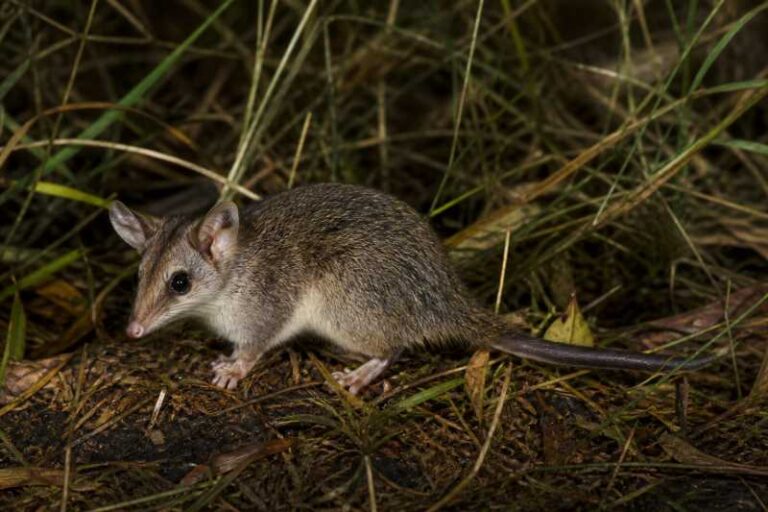
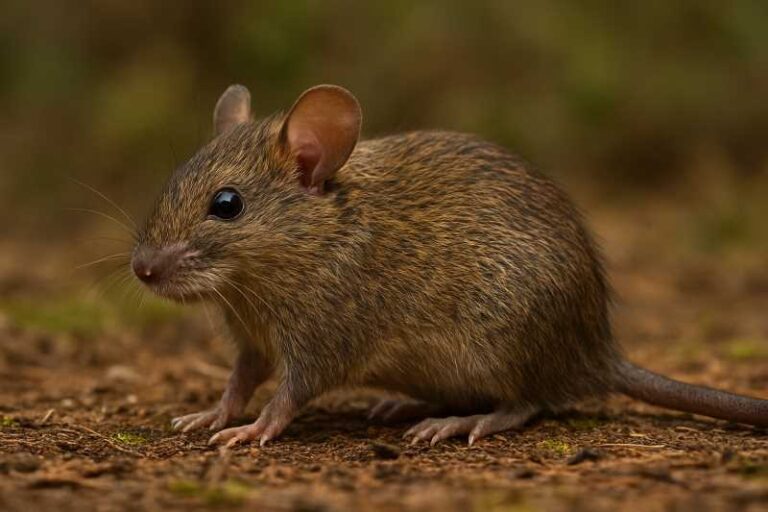
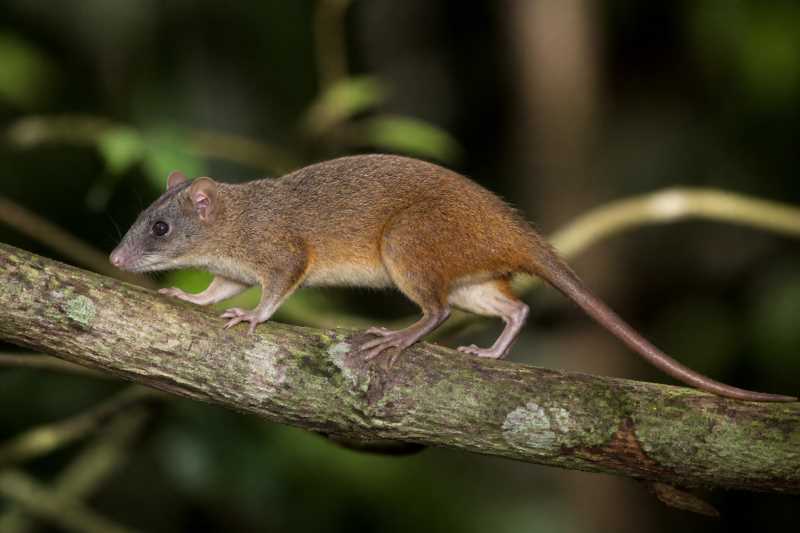
Peters’s Climbing Rat is a medium-sized rodent characterized by its distinct morphological features that facilitate its climbing abilities. The average body length of an adult ranges from 30 to 40 centimeters, with a tail that is slightly longer than the body, measuring between 35 to 45 centimeters. The tail is hairless and prehensile, aiding in balance and grip as the animal navigates through trees.
Its fur is dense and soft, predominantly grayish-brown on the dorsal side, while the underside is lighter, often white or pale gray. This coloration provides effective camouflage against predators in its natural habitat. The ears are relatively large and rounded, while the eyes are prominent, suggesting a nocturnal lifestyle.
One of the most distinctive features of Tylomys nudicaudus is its large, powerful hind limbs, which are adapted for leaping between branches. The forelimbs, though shorter, are equipped with strong claws that assist in climbing.
Range and Habitat
Peters’s Climbing Rat is primarily found in Central America, with its range extending from southern Mexico through Guatemala, Belize, Honduras, and parts of Nicaragua. It inhabits a variety of forested environments including tropical and subtropical rainforests, cloud forests, and sometimes even deciduous forests at higher elevations.
This species is highly arboreal, spending most of its life in the forest canopy. It prefers areas with dense foliage that provide ample food resources and protection from predators. The presence of mature trees with interconnected canopies is crucial for their movement and survival.
Behavior and Diet
As a nocturnal and arboreal species, Peters’s Climbing Rat is most active during the night, when it forages for food. Its diet is omnivorous, consisting of a variety of fruits, seeds, leaves, and occasionally insects. This versatile diet allows it to adapt to seasonal variations in food availability.
Socially, Tylomys nudicaudus is relatively solitary, with individuals maintaining defined territories that they mark using scent glands. Communication among individuals is primarily through vocalizations and scent markings.
Breeding occurs throughout the year, with females giving birth to litters typically consisting of one to three young after a gestation period of approximately 60 days. The offspring are born relatively well-developed, with fur and open eyes, and are capable of climbing shortly after birth.
Identification Tips (Field Recognition Cues)
Identifying Peters’s Climbing Rat in the wild can be challenging due to its nocturnal habits and arboreal lifestyle. However, certain cues can aid in recognition:
- Tail: Look for the distinctive long, hairless, prehensile tail that is often curled around branches.
- Size and Shape: Note the medium size and robust build, with large hind limbs.
- Fur Coloration: Observe the grayish-brown fur with a lighter underside, providing camouflage among tree branches.
- Behavior: Spotting them may be easier at night when they are active; listen for rustling leaves or soft vocalizations as they navigate the canopy.
Conservation Status (with Threats and Protections)
Peters’s Climbing Rat is currently listed as "Least Concern" by the International Union for Conservation of Nature (IUCN). However, like many species dependent on forest habitats, it faces threats from habitat destruction and fragmentation due to logging, agriculture, and urbanization.
Conservation efforts focus on habitat preservation and the establishment of protected areas within its range. Continued research and monitoring are essential to ensure that populations remain stable and that any potential threats are addressed promptly.
Frequently Asked Questions
1. What is the natural habitat of Peters’s Climbing Rat?
Peters’s Climbing Rat is typically found in tropical and subtropical forests, ranging from rainforests to cloud forests, primarily in Central America.
2. How does Peters’s Climbing Rat adapt to its arboreal lifestyle?
Adaptations include a prehensile tail for balance, strong claws for climbing, and powerful hind limbs for leaping between branches.
3. Are Peters’s Climbing Rats social animals?
They are mostly solitary animals, with individuals maintaining their own territories marked by scent.
4. What do Peters’s Climbing Rats eat?
Their diet is omnivorous, including fruits, seeds, leaves, and insects, reflecting their adaptability to available food sources.
5. How can I identify Peters’s Climbing Rat in the wild?
Look for their distinctive long, hairless tail, medium size, grayish-brown coloration, and listen for nocturnal activity in forest canopies.
Related posts