Introduction
The Otavalo’s Oldfield Mouse, scientifically known as Thomasomys otavalo, is a fascinating species of rodent in the Cricetidae family. Endemic to the Andes of South America, this elusive creature has piqued the interest of researchers and nature enthusiasts alike. Although not as widely known as other mammalian species, its unique adaptations and ecological role make it an intriguing subject for study.
In this comprehensive guide, we will explore the various aspects of Otavalo’s Oldfield Mouse, including its physical characteristics, habitat preferences, behaviors, and conservation status. By understanding these facets, we can better appreciate the ecological significance of this small yet remarkable mammal.
Physical Description
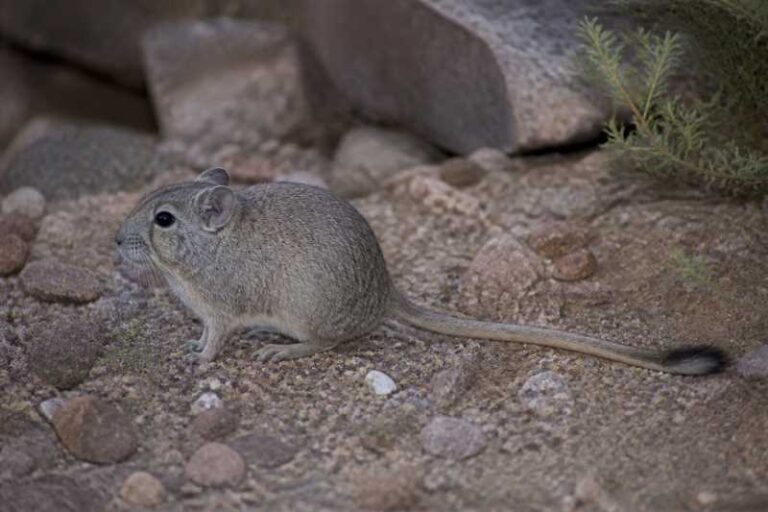
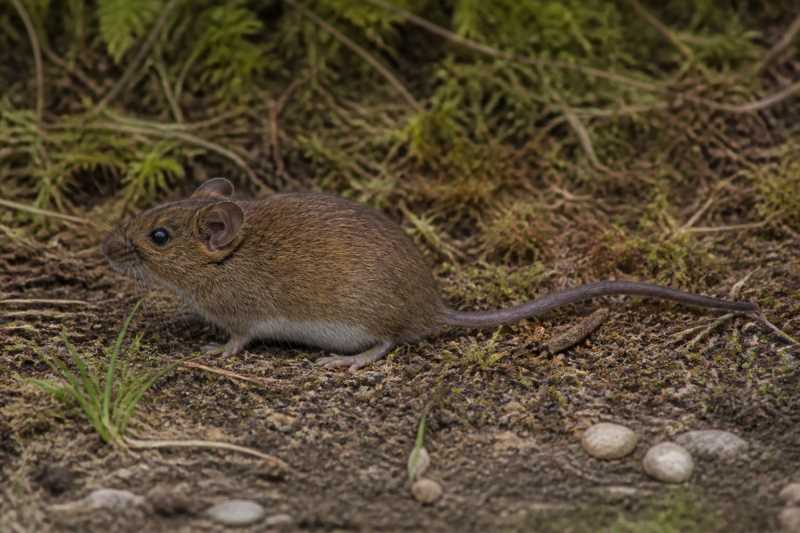
Otavalo’s Oldfield Mouse is a medium-sized rodent characterized by its dense fur, which provides essential insulation against the cold mountain climate it inhabits. Its fur is typically a rich brown on the dorsal side, with a gradual transition to lighter shades on the ventral side. This gradient serves as a form of camouflage, blending seamlessly with its natural environment.
The mouse’s body length ranges from 10 to 15 centimeters, with a tail that is slightly shorter than its body. The tail is covered in short fur and aids in balance and communication. Its ears are moderately sized, with a rounded shape, and are covered with short hairs, contributing to its acute sense of hearing.
One of the distinctive features of the Otavalo’s Oldfield Mouse is its large, prominent eyes, which are adapted for nocturnal activity. This adaptation is crucial for survival in its dimly lit habitat, enhancing its ability to detect predators and forage for food during the night.
Range and Habitat
The geographical range of Otavalo’s Oldfield Mouse is primarily confined to the high-altitude regions of the Andes in Ecuador. It is named after the town of Otavalo, which lies within its range. This species prefers montane forests, paramos, and scrublands, typically found at elevations ranging from 2,500 to 4,000 meters above sea level.
These habitats are characterized by their cool, moist climates, which support a diverse array of flora and fauna. The mouse utilizes dense underbrush and rocky outcrops for shelter and protection from predators. It is an adept climber, often seen navigating through the vegetation with ease.
Behavior and Diet
Otavalo’s Oldfield Mouse is primarily nocturnal, with most of its activity occurring at night. This nocturnal lifestyle helps it avoid diurnal predators and take advantage of cooler temperatures. The mouse is solitary by nature, although it may form loose associations with other individuals during the breeding season.
Its diet is omnivorous, consisting of seeds, fruits, insects, and small invertebrates. The ability to consume a variety of food sources is essential for survival in its fluctuating environment. The mouse plays a crucial role in seed dispersal, contributing to the health and regeneration of its habitat.
Identification Tips (Field Recognition Cues)
Identifying Otavalo’s Oldfield Mouse in the field can be challenging due to its elusive nature and nocturnal habits. However, several key features can aid in its identification:
- Fur Coloration: Look for the distinctive brown to light brown gradient on its fur, which helps it blend with the forest floor.
- Tail Length: Note the tail length, which is slightly shorter than the body and covered in short fur.
- Eye Size: Large, prominent eyes are a notable feature, adapted for low-light conditions.
- Ear Shape: Rounded ears with short hairs are indicative of this species.
Conservation Status (With Threats and Protections)
Currently, Otavalo’s Oldfield Mouse is classified as "Least Concern" on the IUCN Red List. However, this status does not imply that the species is free from threats. Habitat loss due to agricultural expansion, deforestation, and climate change poses significant risks to its population.
Conservation efforts are crucial to ensure the long-term survival of this species. Protected areas within its range, such as national parks and reserves, play a vital role in safeguarding its habitat. Additionally, research initiatives focused on understanding its ecology and population dynamics are essential for informed conservation strategies.
Frequently Asked Questions
What makes Otavalo’s Oldfield Mouse unique?
Otavalo’s Oldfield Mouse is unique due to its adaptation to high-altitude environments and its role in seed dispersal within its ecosystem. Its nocturnal habits and physical characteristics, such as large eyes and dense fur, make it well-suited for its habitat.
How do Otavalo’s Oldfield Mice communicate?
These mice primarily use vocalizations and scent markings to communicate with each other. Their vocalizations include a range of squeaks and chirps, while scent marking involves secreting pheromones to establish territory and attract mates.
What are the main threats to Otavalo’s Oldfield Mouse?
The main threats include habitat destruction due to agricultural activities, deforestation, and climate change. These factors can lead to fragmentation of their habitat, reducing their chances of survival.
How can I help in the conservation of Otavalo’s Oldfield Mouse?
Supporting conservation organizations, promoting sustainable land-use practices, and raising awareness about the importance of preserving their habitat are effective ways to contribute to the conservation of Otavalo’s Oldfield Mouse.
Are Otavalo’s Oldfield Mice dangerous to humans?
No, Otavalo’s Oldfield Mice are not dangerous to humans. They are shy, elusive creatures that pose no threat to people. Their interactions with humans are minimal, as they primarily reside in high-altitude, remote areas.
Related posts