Introduction
The Venezuelan Climbing Rat, scientifically known as Rhipidomys venezuelae, is a fascinating rodent species native to the lush, tropical forests of Venezuela. Known for its remarkable adaptability and arboreal lifestyle, this species is an integral part of its ecosystem, contributing to seed dispersal and serving as prey for various predators. Despite its ecological significance, the Venezuelan Climbing Rat remains relatively understudied, and its elusive nature adds an air of mystery to this small mammal.
Physical Description
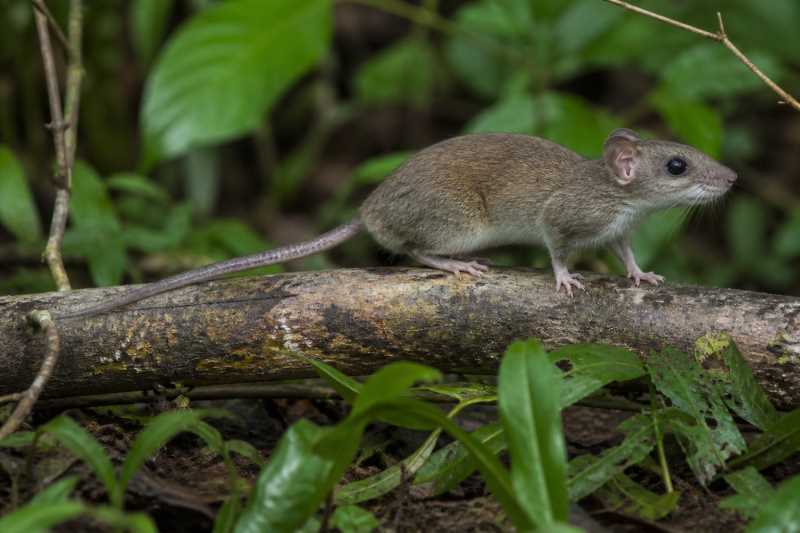
The Venezuelan Climbing Rat is a medium-sized rodent characterized by its distinctive physical features that facilitate its arboreal lifestyle. Adults typically weigh between 80 to 150 grams and measure approximately 20 to 30 centimeters in total length, including their long, bushy tails which often exceed the length of their bodies. This tail not only aids in balancing while navigating the branches but also serves as a tool for communication.
The species exhibits a soft, dense fur coat with a color palette ranging from grayish-brown to a more vibrant reddish-brown on the dorsal side, while the ventral side is usually a lighter shade, often white or cream. Their large, round eyes are adapted for nocturnal activity, providing excellent night vision, while their small, rounded ears enhance their auditory perception, critical for detecting predators and navigating their environment.
Range and Habitat
Rhipidomys venezuelae is primarily found in the northern regions of Venezuela, particularly in the coastal mountain ranges and adjacent lowland areas. This species thrives in a variety of forested habitats, including tropical rainforests, cloud forests, and secondary growth forests.
These rodents are highly arboreal and prefer habitats with dense canopy cover, which provides ample opportunities for climbing and foraging. They are commonly found at altitudes ranging from sea level to about 2,000 meters, adapting to different ecological niches within this range. The availability of fruiting trees and shrubs is a crucial factor in their habitat preference, as these provide both food and nesting sites.
Behavior and Diet
The Venezuelan Climbing Rat is primarily nocturnal, with peak activity occurring during the early evening and night. This nocturnal behavior helps them avoid many diurnal predators and exploit the resources of the forest under the cover of darkness.
Their diet is diverse and largely omnivorous, consisting of fruits, seeds, nuts, insects, and occasionally small vertebrates. They play a significant role in seed dispersal by carrying seeds away from the parent plant and depositing them in different locations through their droppings, thus contributing to the biodiversity and regeneration of their forest habitats.
Social behavior in Venezuelan Climbing Rats is not well-documented, but they are believed to be solitary or form small family groups. They communicate through vocalizations and scent markings, which are crucial for territory establishment and mating.
Identification Tips (Field Recognition Cues)
Identifying the Venezuelan Climbing Rat in the wild can be challenging due to their elusive nature and arboreal habits. However, there are several field recognition cues that can aid in their identification:
- Tail: Look for the long, bushy tail that is often longer than the body, used for balance and communication.
- Fur Color: Observe the contrast between the reddish-brown dorsal fur and the lighter, cream-colored ventral fur.
- Eyes and Ears: Note the large, round eyes adapted for night vision and the small, rounded ears.
- Habitat: Search for them in dense, forested areas with a high canopy.
- Activity Patterns: They are most active during the night, so sightings are more likely at dusk or after dark.
Conservation Status (With Threats and Protections)
The conservation status of the Venezuelan Climbing Rat is currently listed as "Least Concern" by the International Union for Conservation of Nature (IUCN), primarily due to its wide distribution and presumed large population. However, like many forest-dependent species, it faces several threats that could impact its survival in the long term.
Threats:
- Habitat Loss: Deforestation for agriculture, logging, and urban development is the most significant threat to their habitats.
- Climate Change: Altered climate patterns can affect the availability of food resources and suitable habitats.
- Predation: Natural predators include birds of prey, snakes, and carnivorous mammals.
Protections:
- Protected Areas: Several national parks and reserves in Venezuela provide sanctuary to this species by preserving large tracts of forest.
- Conservation Initiatives: Ongoing efforts to promote reforestation and sustainable land-use practices are crucial for their habitat conservation.
Frequently Asked Questions
What do Venezuelan Climbing Rats eat?
Venezuelan Climbing Rats have an omnivorous diet that includes fruits, seeds, nuts, insects, and occasionally small vertebrates. Their role in seed dispersal is vital for forest regeneration.
Where can I find Venezuelan Climbing Rats?
They are found in the northern regions of Venezuela, primarily in tropical and cloud forests with dense canopy cover. They are arboreal and most active at night.
How do Venezuelan Climbing Rats communicate?
These rats communicate through vocalizations and scent markings, which are essential for territory establishment and mating. Their large eyes and ears aid in nocturnal communication.
Are Venezuelan Climbing Rats endangered?
Currently, they are listed as "Least Concern" but face threats from habitat loss and climate change, which could impact their populations in the future.
What adaptations help Venezuelan Climbing Rats live in trees?
Their long, bushy tails aid in balance, while their strong limbs and claws facilitate climbing. Their nocturnal vision and hearing are adapted for nighttime activity in dense forests.
Related posts