Introduction
The Caracol Climbing Rat, scientifically known as Rhipidomys caracolensis, is a fascinating rodent species that dwells in the lush forests of South America. This elusive mammal is part of the family Cricetidae, which encompasses a diverse group of rodents known for their climbing abilities. The Caracol Climbing Rat is a lesser-known species, but it plays a crucial role in its ecosystem, contributing to seed dispersal and serving as prey for larger predators. In this article, we will delve into the intriguing world of the Caracol Climbing Rat, exploring its physical characteristics, habitat, behavior, and the conservation efforts in place to protect this unique species.
Physical Description
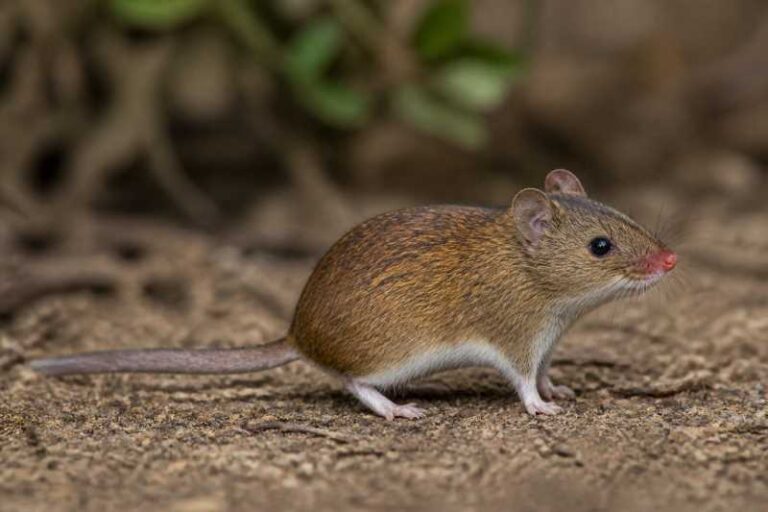
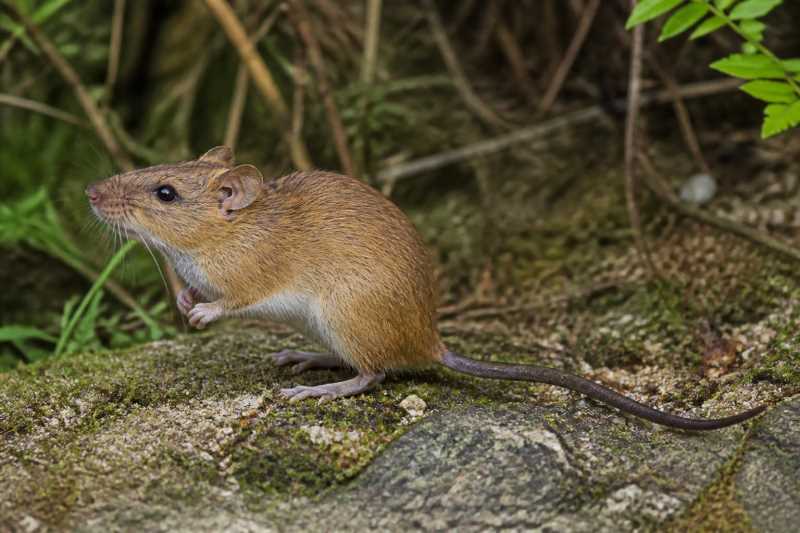
The Caracol Climbing Rat is a small to medium-sized rodent, with adults typically measuring between 15 to 20 centimeters in body length, not including the tail, which can add an additional 20 to 25 centimeters. This species exhibits a soft, dense fur that is generally grayish-brown on the dorsal side and lighter, often whitish or cream-colored, on the ventral side. The Caracol Climbing Rat possesses large, rounded ears and prominent dark eyes, adaptations that are beneficial for its nocturnal lifestyle.
One of the most distinctive physical features of the Caracol Climbing Rat is its long, prehensile tail. This tail is not only an extension of its body but also a vital tool that aids in climbing and maintaining balance among the branches. The tail is covered in fine hairs and exhibits a slight variation in color, being darker at the base and lighter towards the tip.
Range and Habitat
The Caracol Climbing Rat is primarily found in the humid and tropical forests of Colombia. Its range is somewhat limited to the northern Andean region, particularly within the Caracol area, from which it derives its common name. These rats thrive in dense forested environments where they can take advantage of the vertical space provided by the trees.
Their habitat is characterized by high humidity and dense vegetation, providing ample cover and food resources. The Caracol Climbing Rat is arboreal, spending most of its life in the trees, where it constructs nests from leaves and twigs. These nests offer protection from predators and harsh weather conditions.
Behavior and Diet
As a nocturnal species, the Caracol Climbing Rat is most active during the night. This behavior helps it avoid many diurnal predators and take advantage of the cooler nighttime temperatures. They are solitary creatures, with each individual maintaining a home range that they defend from conspecifics.
The diet of the Caracol Climbing Rat consists primarily of fruits, seeds, and leaves, which they find in abundance in their forest habitat. They are known to play a significant role in seed dispersal, as they transport seeds away from the parent plant and deposit them in new locations. This activity is crucial for maintaining the biodiversity of their ecosystem.
Identification Tips (Field Recognition Cues)
Identifying the Caracol Climbing Rat in the wild can be challenging due to its elusive nature and arboreal habits. However, certain features can aid in recognition:
- Tail: Look for the long, prehensile tail that is lighter at the tip.
- Fur Color: The grayish-brown dorsal fur contrasting with a lighter underbelly.
- Ears and Eyes: Large, rounded ears and prominent dark eyes are notable features.
- Behavior: Nocturnal activity and arboreal movement are key behavioral cues.
Conservation Status (With Threats and Protections)
The conservation status of the Caracol Climbing Rat is currently listed as "Data Deficient" by the International Union for Conservation of Nature (IUCN). This classification highlights the lack of comprehensive data on their population size and trends. However, the primary threats to this species include habitat loss due to deforestation and land conversion for agriculture.
Efforts to protect the Caracol Climbing Rat involve habitat conservation and restoration. Protecting large swathes of forest from deforestation and promoting sustainable land-use practices are crucial steps in ensuring the survival of this species.
Frequently Asked Questions
1. What is the primary diet of the Caracol Climbing Rat?
The Caracol Climbing Rat primarily feeds on fruits, seeds, and leaves. They are significant seed dispersers within their ecosystem, aiding in the propagation of various plant species.
2. Where can the Caracol Climbing Rat be found?
This species is native to the northern Andean forests of Colombia, particularly around the Caracol area. They inhabit dense, humid forest environments where they can utilize the arboreal habitat.
3. How does the Caracol Climbing Rat contribute to its ecosystem?
The Caracol Climbing Rat plays a vital role in seed dispersal. By transporting seeds away from parent plants, they facilitate plant regeneration and contribute to maintaining forest biodiversity.
4. What are the main threats to the Caracol Climbing Rat?
The primary threats include habitat destruction due to deforestation and agricultural expansion, which reduce their natural habitat and food resources.
5. How can one identify a Caracol Climbing Rat in the wild?
Key identification features include their long, prehensile tail, grayish-brown fur with a lighter underbelly, large rounded ears, and nocturnal, arboreal behaviors.
Related posts