Colombian Forest Mouse: Chilomys instans
Introduction
The Colombian Forest Mouse, scientifically known as Chilomys instans, is a fascinating rodent species that plays a vital role in the ecosystems it inhabits. Despite its seemingly inconspicuous presence, this small mammal contributes significantly to the biodiversity of the Andean forests. As a species, Chilomys instans remains relatively understudied, yet it offers intriguing insights into the ecology of South America’s montane regions.
Physical Description
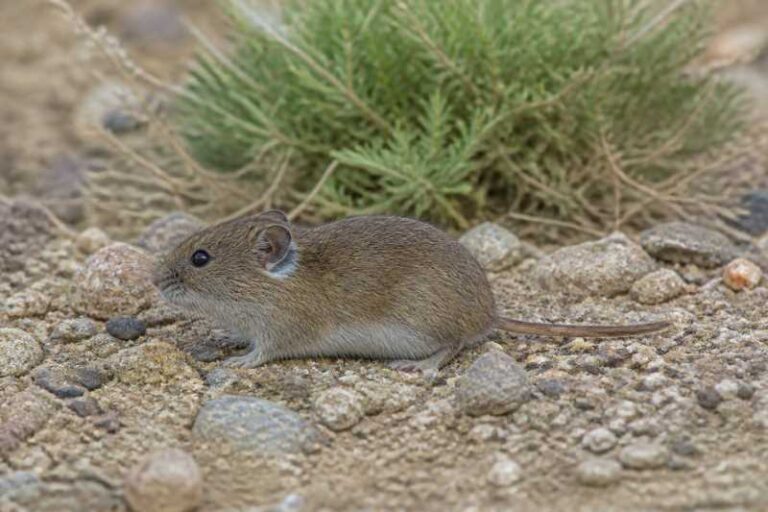
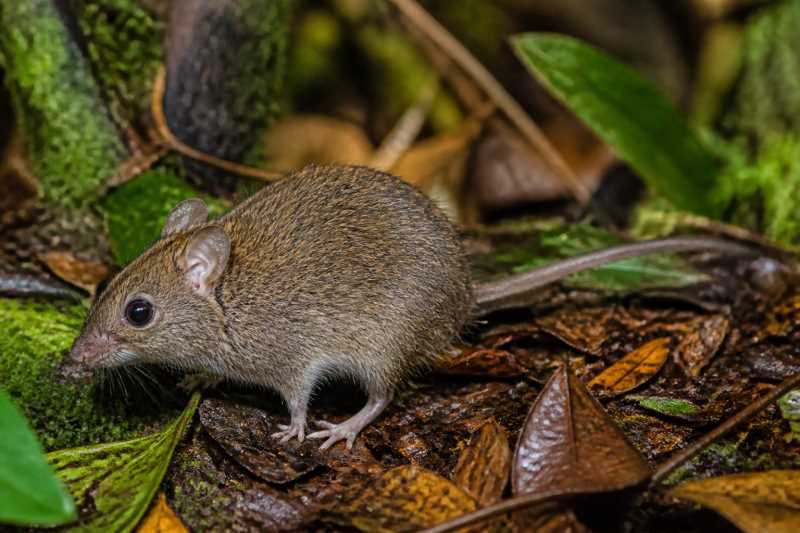
Chilomys instans is characterized by its small size and distinctive features. Typically, the Colombian Forest Mouse measures about 8 to 10 cm in body length, with a tail that is slightly shorter than its body. The fur is generally soft and dense, with a brownish-gray hue that provides excellent camouflage against the forest floor. The underparts tend to be lighter, often a creamy or pale gray.
The mouse’s ears are small yet prominent, aiding in acute hearing, which is vital for detecting predators. The eyes are also relatively large, suggesting a degree of nocturnal activity, as enhanced vision helps in low-light conditions. The whiskers are long and sensitive, playing a crucial role in navigating through dense undergrowth.
Range and Habitat
The natural range of the Colombian Forest Mouse is primarily within the Andean regions of Colombia. This species thrives in montane forests, particularly those that are dense and humid. These habitats are typically found at elevations ranging from 1,500 to 3,000 meters above sea level. The forest floor, rich in leaf litter, provides ample cover and food resources, making it an ideal environment for Chilomys instans.
The Colombian Forest Mouse is also adaptable to various microhabitats within this range, including forest edges and secondary growth areas, where it can exploit the abundance of seeds and insects. Seasonal variations in these habitats can influence the availability of food and shelter, impacting the mouse’s behavior and distribution.
Behavior and Diet
As primarily nocturnal creatures, Colombian Forest Mice are most active during the night when they forage for food. Their diet is omnivorous, consisting of seeds, fruits, insects, and occasionally small invertebrates. This diverse diet helps them adapt to the seasonal availability of food resources in their habitat.
Socially, Chilomys instans is believed to be relatively solitary, with limited interactions outside of the breeding season. These mice are known for their agility and ability to navigate through complex forest terrains, utilizing their keen senses to avoid predators such as owls, snakes, and small carnivorous mammals.
Identification Tips
Identifying the Colombian Forest Mouse in the field requires attention to several key features. Observers should note the following:
- Size and Build: Look for a small, compact rodent with a body length of 8 to 10 cm and a proportionately shorter tail.
- Fur Coloration: The brownish-gray fur with lighter underparts is a distinctive marker.
- Ear and Eye Size: Small ears and relatively large eyes are indicative of this species.
- Behavioral Cues: Nocturnal activity patterns and quick, agile movements on the forest floor can be telling.
Conservation Status
The Colombian Forest Mouse is currently listed as a species of Least Concern by the IUCN. However, this status does not imply an absence of threats. Habitat destruction, particularly due to deforestation and agricultural expansion, poses significant risks to their populations. The fragmentation of forests can lead to isolated populations, increasing vulnerability to environmental changes and genetic bottlenecks.
Conservation efforts are essential to preserve the biodiversity of the Andean forests, which involves protecting large tracts of habitat and promoting sustainable land use practices. Continued research and monitoring are also crucial to better understand the species’ ecology and inform conservation strategies.
Frequently Asked Questions
What is the primary habitat of the Colombian Forest Mouse?
The Colombian Forest Mouse primarily inhabits dense montane forests in the Andes, at elevations between 1,500 and 3,000 meters. These areas provide the cover and food resources essential for their survival.
How does the Colombian Forest Mouse contribute to its ecosystem?
As an omnivore, the Colombian Forest Mouse plays a role in seed dispersal and insect population control, contributing to the ecological balance of its habitat.
Are Colombian Forest Mice active during the day?
No, they are primarily nocturnal, meaning they are most active during the nighttime. This behavior helps them avoid many diurnal predators.
What are the main threats to the Colombian Forest Mouse?
The main threats include habitat destruction due to deforestation and agricultural expansion, which lead to habitat fragmentation and population isolation.
How can one distinguish the Colombian Forest Mouse from other rodents?
Key distinguishing features include its small size, brownish-gray fur, large eyes, and nocturnal behavior, which differentiate it from other similar-sized rodents in the region.
Related posts