Introduction
The Yellow-necked Field Mouse, scientifically known as Apodemus flavicollis, is a small rodent species that plays a significant role in the ecosystems of Europe and parts of Asia. Notable for its distinctive yellow collar, this species is an integral part of the food chain, providing nourishment for various predators while also contributing to seed dispersal. This article delves into the fascinating world of the Yellow-necked Field Mouse, exploring its physical characteristics, natural habitat, behavior, and more.
Physical Description
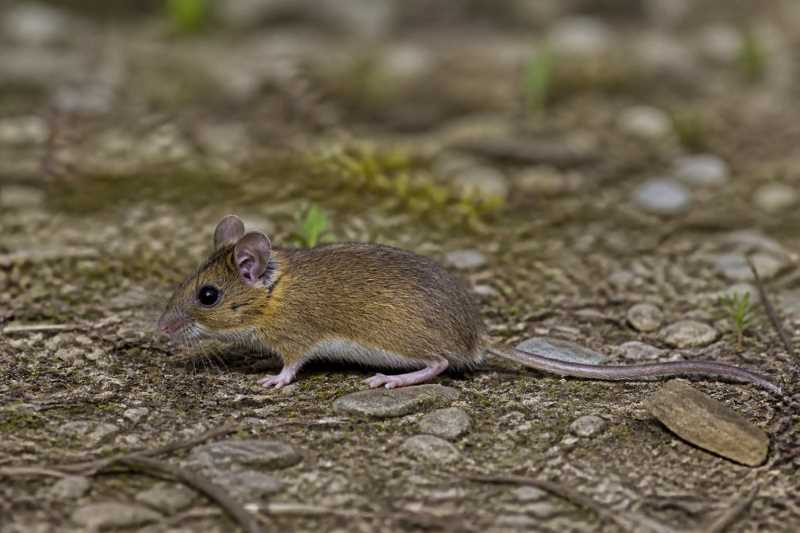
The Yellow-necked Field Mouse is characterized by its sleek, agile body and striking coloration. Typically, these mice measure between 9 to 12 centimeters in body length, with tails that can extend up to 11 centimeters, aiding in balance and agility. One of the most distinguishing features of Apodemus flavicollis is the yellow band or “collar” that encircles its neck, contrasting vividly with the otherwise brown or greyish fur that covers its body.
Their fur is soft and dense, providing insulation against cooler temperatures. The underbelly is usually white or pale cream, adding to the striking appearance of the yellow collar. These mice possess large, prominent ears and eyes, adaptations that enhance their hearing and vision—key survival traits for detecting predators and navigating through dense undergrowth.
Range and Habitat
The Yellow-necked Field Mouse is predominantly found across Europe, extending into parts of western Asia. Its range includes a variety of countries such as the United Kingdom, Germany, France, Italy, and parts of the Balkans. In Asia, their presence is noted in regions including Turkey and the Caucasus.
These mice are highly adaptable and thrive in a variety of habitats. They are commonly found in deciduous and mixed woodlands, where they utilize the dense underbrush for cover and foraging. They are also known to inhabit hedgerows, gardens, and even urban areas where green spaces are available. Their nests are usually constructed in burrows or beneath dense shrubbery, providing safety from predators.
Behavior and Diet
Yellow-necked Field Mice are primarily nocturnal, meaning they are most active during the night. This nocturnal behavior helps them avoid many diurnal predators. They exhibit a range of behaviors that are of interest to biologists and ecologists, including their foraging strategies and social interactions.
Their diet is omnivorous, consisting mainly of seeds, nuts, and fruits, but they also consume insects and other small invertebrates. This varied diet not only supports their nutritional needs but also aids in the dispersal of plant seeds, playing a crucial role in maintaining the ecological balance within their habitats.
During the breeding season, which typically occurs in the warmer months, females can produce several litters. Each litter can contain up to eight young, which are born blind and helpless but develop rapidly.
Identification Tips (Field Recognition Cues)
Identifying the Yellow-necked Field Mouse in the field requires keen observation and knowledge of their distinctive features:
- Yellow Collar: Look for the characteristic yellow band around the neck.
- Size and Shape: Note the body length of 9-12 cm and tail length up to 11 cm.
- Ears and Eyes: Large, rounded ears and prominent eyes are key identifiers.
- Fur Color: Brown or greyish body fur with a white or cream underbelly.
- Habitat: Found in woodlands, hedgerows, and gardens, often where dense cover is available.
Conservation Status (with Threats and Protections)
The Yellow-necked Field Mouse is currently listed as a species of Least Concern by the International Union for Conservation of Nature (IUCN). This classification is due to their wide distribution and presumed large population.
However, they face several threats that could impact local populations. Habitat destruction and fragmentation, primarily due to agricultural expansion and urban development, pose significant challenges. Additionally, changes in land use and the removal of hedgerows can reduce suitable habitats.
Protections for this species include various national and international conservation efforts aimed at preserving natural habitats and promoting biodiversity. Maintaining and restoring woodland areas and hedgerows is crucial for their continued survival.
Frequently Asked Questions
What do Yellow-necked Field Mice eat?
Yellow-necked Field Mice have an omnivorous diet that includes seeds, nuts, fruits, and insects. This diet supports their nutritional needs and aids in seed dispersal.
How can I identify a Yellow-necked Field Mouse?
Look for the distinctive yellow band around their neck, their large ears and eyes, and their habitat preference for woodlands and gardens.
Where are Yellow-necked Field Mice commonly found?
They are widespread across Europe and parts of Asia, inhabiting deciduous and mixed woodlands, hedgerows, and urban green spaces.
Are Yellow-necked Field Mice endangered?
No, they are classified as Least Concern by the IUCN due to their wide distribution and large population, though they face threats from habitat destruction.
What role do Yellow-necked Field Mice play in the ecosystem?
They contribute to seed dispersal and serve as a food source for various predators, playing an essential role in maintaining ecological balance.
Related posts