Introduction
Carleton’s Deermouse (Peromyscus carletoni) is a fascinating species within the diverse genus of Peromyscus. Known for its adaptability and wide distribution, this small mammal is an integral part of the ecosystems it inhabits. Its role as both prey and seed disperser underscores its ecological importance. First described scientifically in the latter half of the 20th century, Carleton’s Deermouse has since intrigued mammalogists and ecologists alike, prompting numerous studies into its behavior, habitat preferences, and conservation needs.
Understanding the characteristics and habits of Carleton’s Deermouse can provide insights into the health of the environments they occupy, as well as broader ecological dynamics. This article explores the physical features, habitat, behavior, and conservation status of Carleton’s Deermouse, offering a comprehensive overview for researchers, students, and nature enthusiasts.
Physical Description
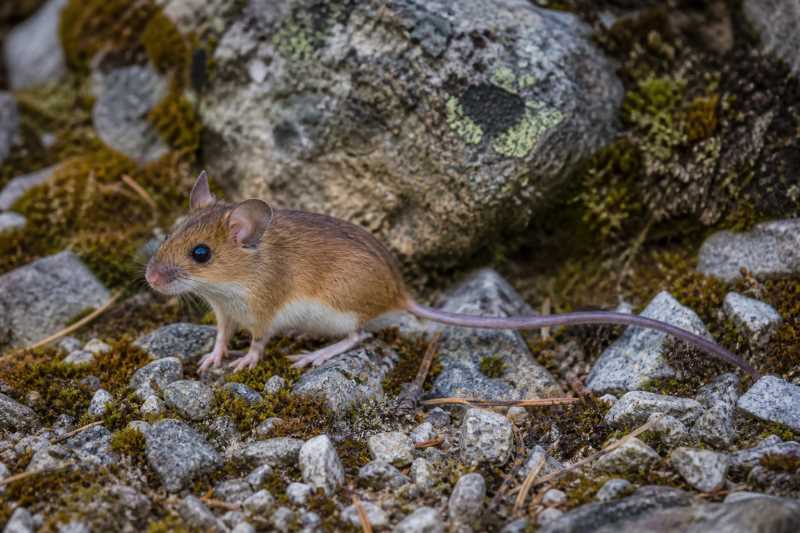
Carleton’s Deermouse is a small, nocturnal rodent characterized by its large eyes and ears, which are adaptations to its nocturnal lifestyle. It typically measures between 15-20 cm in total length, including its long, slender tail, which is nearly as long as its body and serves as a balance aid during climbing.
The fur of Carleton’s Deermouse is soft and dense, with a coloration that ranges from grayish-brown on the dorsal side to white on the ventral side. This counter-shading provides excellent camouflage against predators in its natural habitat. The feet are white, and the tail is bicolored, with a darker top and lighter underside, which is a distinguishing feature of many Peromyscus species.
The skull of Carleton’s Deermouse is delicate, with a pointed snout and large auditory bullae, enhancing its acute sense of hearing. Its dental formula is a classic rodent arrangement, supporting a diet that includes both plant and animal matter.
Range and Habitat
Carleton’s Deermouse is primarily found in North America, with a distribution that stretches from the southern United States into parts of Central America. It favors a variety of habitats, including forests, grasslands, and shrublands. This adaptability to different environments contributes to its wide range.
In forested areas, Carleton’s Deermouse often resides in deciduous or mixed woodlands, where it can find ample food and cover. In grasslands, it utilizes the dense vegetation for shelter and foraging. The species is also known to inhabit areas close to human settlements, often seeking refuge in agricultural lands and gardens, which provide both food and protection from predators.
Behavior and Diet
Carleton’s Deermouse is primarily nocturnal, being most active during the night. This behavior helps it avoid many diurnal predators. It is an agile climber, using its tail for balance as it navigates through trees and shrubs in search of food.
The diet of Carleton’s Deermouse is omnivorous, consisting of seeds, fruits, insects, and fungi. This varied diet reflects its opportunistic feeding habits, allowing it to survive in diverse environments. During times of food scarcity, it has been observed caching food, a behavior that ensures survival during lean periods.
Socially, Carleton’s Deermouse is generally solitary, although it may form loose associations during the breeding season. Breeding can occur throughout the year, depending on environmental conditions, with females giving birth to litters of 2-5 young after a gestation period of about 23 days.
Identification Tips (field recognition cues)
Identifying Carleton’s Deermouse in the field requires attention to several key characteristics. Look for its large eyes and ears, which are adaptations to its nocturnal habits. The bicolored tail, white feet, and counter-shaded fur are also distinctive features.
Listen for its vocalizations, which can include high-pitched squeaks and chirps. These sounds are often used for communication between individuals, especially during the breeding season.
Observing its behavior can also provide identification clues. Notice its agile climbing and the manner in which it forages for food. Its movements are typically quick and deliberate, reflecting its need to evade predators.
Conservation Status (with threats and protections)
Currently, Carleton’s Deermouse is not considered to be at immediate risk of extinction and is classified as Least Concern by the IUCN. However, like many wildlife species, it faces threats from habitat destruction, climate change, and predation by domestic animals such as cats.
Conservation efforts for Carleton’s Deermouse focus on habitat preservation and restoration. Protecting forested areas and grasslands from development and degradation is crucial for maintaining stable populations. Additionally, research into its ecology and population dynamics helps inform conservation strategies.
Public education about the ecological role of Carleton’s Deermouse can also aid in its conservation by reducing human-wildlife conflicts and promoting coexistence.
Frequently Asked Questions
1. What is the lifespan of Carleton’s Deermouse?
Carleton’s Deermouse typically lives for 1-2 years in the wild, although individuals can survive longer in captivity with optimal care. Factors such as predation, food availability, and environmental conditions influence their lifespan.
2. How does Carleton’s Deermouse contribute to its ecosystem?
Carleton’s Deermouse plays a vital role in seed dispersal, which aids in plant regeneration. It also serves as prey for a variety of predators, including birds of prey, snakes, and carnivorous mammals, thus contributing to the food web.
3. Can Carleton’s Deermouse be kept as a pet?
While Carleton’s Deermouse is not commonly kept as a pet, it can be maintained in captivity for research purposes. However, it requires specific care to meet its dietary and environmental needs, and keeping wild animals as pets is generally discouraged due to ethical and ecological concerns.
4. What adaptations help Carleton’s Deermouse survive?
Key adaptations include its nocturnal behavior, keen sense of hearing, and climbing ability. These traits, along with its diverse diet and reproductive strategy, enhance its survival in various habitats.
5. How can I help in the conservation of Carleton’s Deermouse?
Supporting conservation organizations, promoting habitat preservation, and reducing pesticide use can aid in the conservation of Carleton’s Deermouse. Educating others about the species’ ecological importance is also beneficial.
Related posts