Introduction
The Gansu Red-backed Vole, scientifically known as Caryomys eva, is a small rodent species belonging to the family Cricetidae. This vole is notable for its distinctive red back and presence in the montane regions of China. Providing essential insights into the biodiversity and ecological dynamics of its native habitats, the Gansu Red-backed Vole contributes significantly to the understanding of small mammal ecology in Asia. This article delves into the unique features, habitat preferences, and conservation status of this intriguing species.
Physical Description
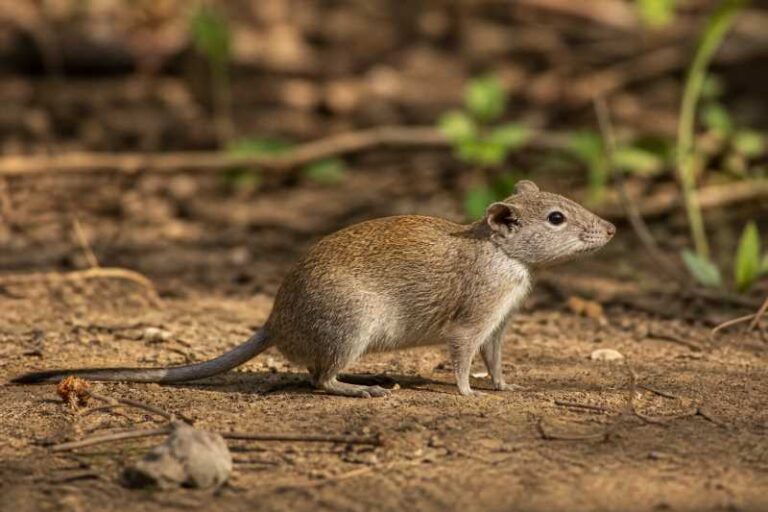
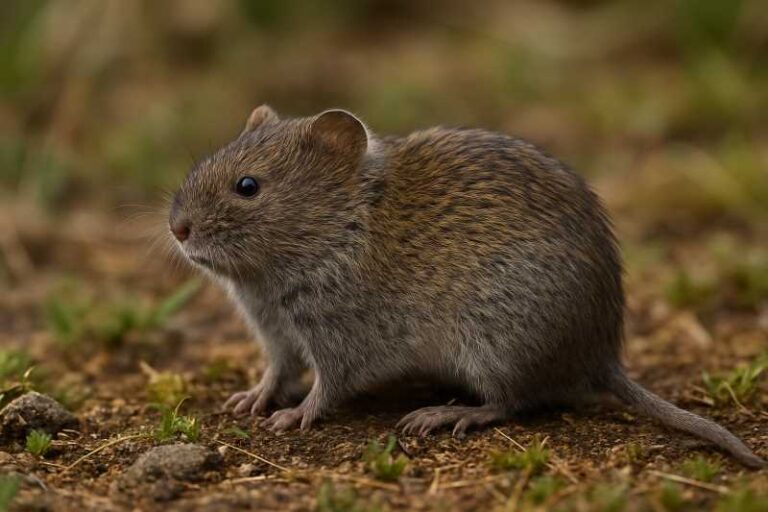
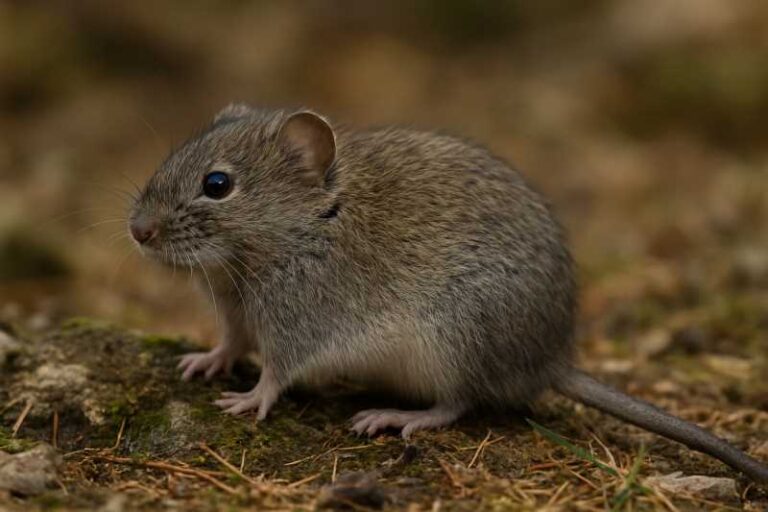
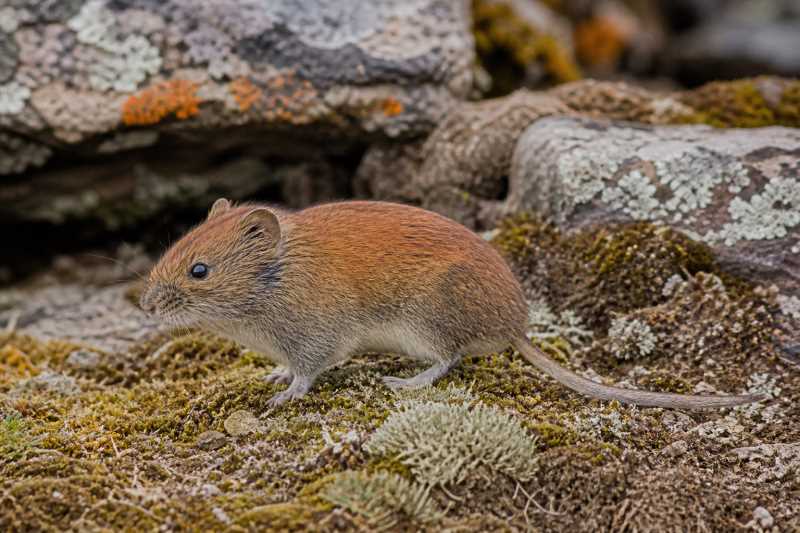
The Gansu Red-backed Vole is a small mammal characterized by its vibrant reddish-brown dorsal fur, which contrasts sharply with its grayish underparts. Typically measuring between 8 to 12 centimeters in body length, with a tail extending an additional 3 to 5 centimeters, this vole exhibits sexual dimorphism, with males generally being slightly larger than females.
Its fur is dense and soft, an adaptation to the cooler climates of its montane habitats. The vole’s ears are small and rounded, with a modest amount of hair, while its eyes are large relative to its head size, providing good vision in the dim light of its forested environment. The limbs of the Gansu Red-backed Vole are short but strong, equipped with claws that are well-suited for digging and foraging.
Range and Habitat
The Gansu Red-backed Vole is primarily found in the montane regions of central China, particularly within the provinces of Gansu, Sichuan, and Shaanxi. These areas are characterized by their lush forests, abundant underbrush, and cool, moist climate, all of which provide an ideal environment for the vole.
Preferring altitudes between 1,500 and 3,500 meters, the vole thrives in coniferous and mixed forest systems, where it can find ample cover and food resources. The dense forest floor, covered in leaf litter and fallen logs, offers protection from predators and a rich supply of plant material and insects.
Behavior and Diet
The Gansu Red-backed Vole is primarily nocturnal, spending daylight hours in burrows to avoid predation. These burrows, often complex in structure, provide shelter and storage for food. The vole is an omnivore, with a diet consisting of seeds, fruits, green vegetation, and small invertebrates.
Socially, the Gansu Red-backed Vole tends to be solitary outside of the breeding season. During breeding, which typically occurs in the warmer months, males and females will pair briefly. Females are responsible for rearing the young, giving birth to litters of 3 to 6 pups after a gestation period of about three weeks.
Voles communicate through a variety of vocalizations, scent markings, and physical gestures, which are crucial for mating and territorial disputes. Their acute sense of smell aids in locating food and recognizing other voles.
Identification Tips (Field Recognition Cues)
Identifying the Gansu Red-backed Vole in the field requires careful observation of several key features:
- Coloration: Look for the distinctive reddish-brown back, which contrasts with the grayish underbelly.
- Size: Note the small body size, typically ranging from 8 to 12 centimeters in length.
- Habitat: Focus on montane forest areas within its known range in central China.
- Behavior: Observe for nocturnal activity and burrow entrances in forested areas.
- Tail: The tail is relatively short compared to body length, usually about one-third of the total body length.
Conservation Status (with Threats and Protections)
Currently, the Gansu Red-backed Vole is not classified as endangered. However, it faces several threats that could impact its population in the future. Habitat destruction due to logging and agricultural expansion poses significant risks, as these activities reduce the availability of suitable habitats.
Climate change also threatens to alter the delicate balance of the montane ecosystems where the vole resides. Changes in temperature and precipitation patterns could disrupt food supply and habitat conditions.
Conservation efforts focusing on habitat preservation and sustainable forestry practices are crucial for the long-term survival of the Gansu Red-backed Vole. Protected areas and nature reserves within its range provide some refuge from anthropogenic pressures.
Frequently Asked Questions
1. What is the primary habitat of the Gansu Red-backed Vole?
The Gansu Red-backed Vole primarily inhabits montane forests in central China, thriving in coniferous and mixed forest systems at altitudes between 1,500 and 3,500 meters.
2. How does the Gansu Red-backed Vole adapt to its environment?
This vole has developed dense, soft fur for insulation, acute senses for foraging and avoiding predators, and a nocturnal lifestyle to reduce predation risk. Its strong limbs and claws facilitate digging and navigating its forested habitat.
3. What threats does the Gansu Red-backed Vole face?
The vole faces threats from habitat destruction due to logging and agriculture, as well as climate change impacts that could alter its montane ecosystem.
4. How can one identify a Gansu Red-backed Vole in the wild?
Identification involves observing its reddish-brown dorsal coloration, small size, short tail, and nocturnal behavior within its known range in central China’s montane forests.
5. Are there any conservation measures in place for the Gansu Red-backed Vole?
Yes, conservation measures include habitat preservation initiatives and the establishment of protected areas to mitigate the impacts of habitat destruction and climate change.
Related posts