Introduction
The Shergyla Mountain Vole, scientifically known as Neodon shergylaensis, is a fascinating small mammal species that calls the high-altitude regions of the Himalayas its home. Despite its seemingly inconspicuous existence, this vole plays a vital role in the ecosystem, contributing to soil aeration and serving as prey for numerous predators. As a relatively lesser-known species, the Shergyla Mountain Vole presents an intriguing subject for naturalists and researchers alike, offering insights into the complexities of alpine ecosystems.
Physical Description
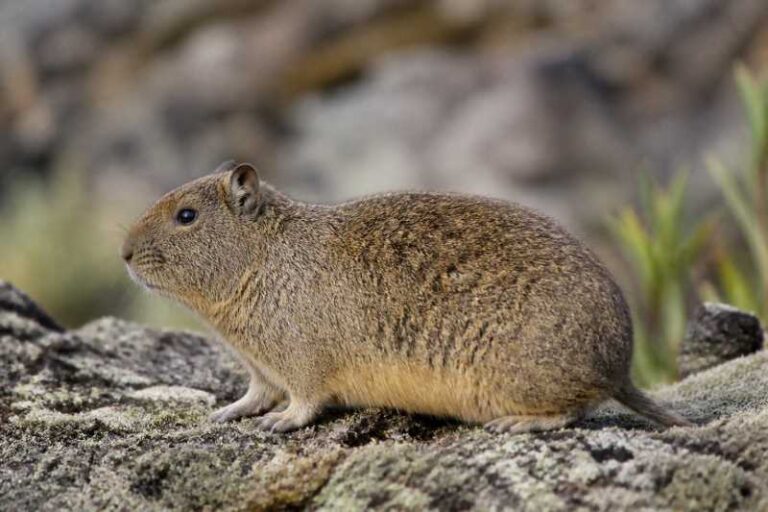
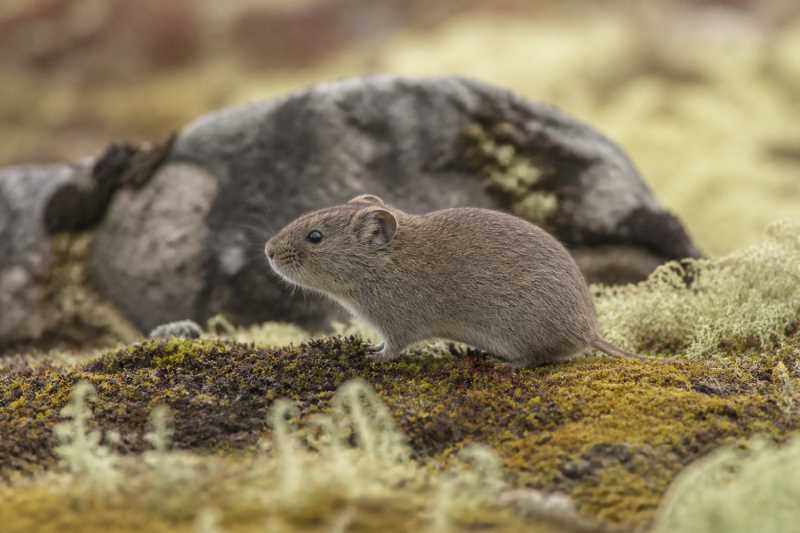
The Shergyla Mountain Vole is a small rodent characterized by its compact body and dense fur, adapted to the cold environments of its mountainous habitat. Typically, an adult vole measures between 10 to 12 centimeters in length, excluding the tail, which adds an additional 3 to 5 centimeters. The fur is usually a grayish-brown, providing excellent camouflage against the rocky terrain and sparse vegetation.
This species possesses a stocky build with short limbs, which is advantageous for burrowing and navigating through its rugged environment. Its ears are small and rounded, often partially concealed by fur, a feature that minimizes heat loss. The vole’s eyes are relatively small, reflecting its adaptation to a subterranean lifestyle. The Shergyla Mountain Vole’s incisors are sharp and continuously growing, a common trait among rodents, allowing it to gnaw on tough plant materials.
Range and Habitat
The Shergyla Mountain Vole is endemic to the eastern Himalayas, particularly found in the Shergyla region, from which it derives its name. Its range primarily includes the high-altitude grasslands and shrublands, at elevations ranging from 3,500 to 4,500 meters above sea level.
These voles are specially adapted to alpine environments, where temperatures can drop significantly, and vegetation is sparse. They are typically found in areas with loose, well-drained soil, which facilitates their burrowing lifestyle. The Shergyla Mountain Vole thrives in a habitat characterized by rocky outcrops, scattered shrubs, and tussocks of grasses, which provide both food and shelter.
Behavior and Diet
Shergyla Mountain Voles are primarily herbivorous, feeding on a diet consisting of grasses, roots, and seeds. During the brief summer months, when vegetation is more abundant, they are known to store food in their burrows to sustain them through the harsh winter.
These voles are solitary creatures, with each individual maintaining its own burrow system. The burrows serve as protection from predators and harsh weather conditions. The intricate tunnel systems can extend several meters underground and include multiple chambers for nesting and food storage.
Activity levels of the Shergyla Mountain Vole are highest during dawn and dusk, a behavior known as crepuscular activity. This timing helps them avoid the midday heat and potential predators. During the winter months, they may exhibit torpor, a state of reduced physiological activity, to conserve energy.
Identification Tips
To identify the Shergyla Mountain Vole in the field, consider the following cues:
- Size and Shape: Look for a small, stocky rodent with a body length of 10 to 12 centimeters and a tail length of 3 to 5 centimeters.
- Fur Color: Note the grayish-brown fur, which blends well with the rocky and grassy surroundings.
- Ears and Eyes: Observe the small, rounded ears and relatively small eyes, indicative of a burrowing lifestyle.
- Behavior: Watch for crepuscular activity patterns, with voles most active during early morning and late afternoon.
Conservation Status
The Shergyla Mountain Vole is currently listed as Least Concern by the International Union for Conservation of Nature (IUCN). However, like many alpine species, it faces threats from habitat degradation and climate change.
Threats:
- Climate Change: Alterations in temperature and precipitation patterns can impact the availability of food and suitable habitats.
- Habitat Loss: Human activities such as agriculture and infrastructure development encroach on their natural habitats.
Protections:
- Conservation efforts in the Himalayan region aim to preserve high-altitude ecosystems, indirectly benefiting species like the Shergyla Mountain Vole.
- Protected areas and national parks in the region provide a refuge for these voles, safeguarding their habitats from human interference.
Frequently Asked Questions
What do Shergyla Mountain Voles eat?
Shergyla Mountain Voles primarily feed on grasses, roots, and seeds. During the summer, they store food in their burrows to survive the winter months.
Where can Shergyla Mountain Voles be found?
They are found in the eastern Himalayas, specifically in the Shergyla region, inhabiting high-altitude grasslands and shrublands.
How do Shergyla Mountain Voles adapt to their environment?
These voles possess dense fur for insulation, small ears to minimize heat loss, and a burrowing lifestyle to escape predators and harsh weather conditions.
Are Shergyla Mountain Voles endangered?
Currently, they are listed as Least Concern, but they face threats from climate change and habitat loss due to human activities.
What is the behavior of Shergyla Mountain Voles?
They are solitary and crepuscular, with peak activity during dawn and dusk. They build extensive burrow systems for nesting and food storage.
Related posts