Introduction
The White-eared Pocket Mouse, scientifically known as Perognathus alticolus, is a small yet fascinating member of the rodent family. Endemic to North America, this diminutive creature is a subject of interest due to its specialized habitat and unique adaptations. Known for its solitary and nocturnal lifestyle, the White-eared Pocket Mouse plays a vital role in its ecosystem. This article explores the various aspects of this intriguing species, from its physical characteristics to its conservation status.
Physical Description
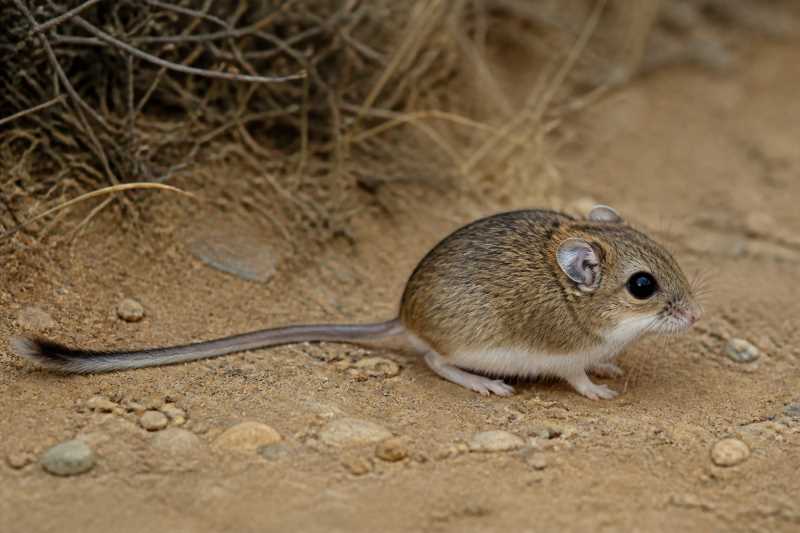
The White-eared Pocket Mouse is a petite rodent, typically ranging from 5 to 7 inches in length, including its tail. It weighs approximately 10 to 15 grams, making it one of the smaller members of the Heteromyidae family. Its fur is typically a sandy brown or grayish hue, providing excellent camouflage against the arid landscapes it inhabits. The most distinctive feature of this species is its white-tipped ears, which stand out against its otherwise muted coloration. This characteristic not only gives the species its common name but also aids in thermoregulation.
Range and Habitat
The White-eared Pocket Mouse is primarily found in the southwestern United States, with its range extending into parts of Mexico. It prefers sandy or gravelly soils, often inhabiting desert scrub and grassland ecosystems. These environments provide the ideal conditions for burrowing, a critical aspect of the pocket mouse’s lifestyle. Its burrows offer protection from predators and extreme temperatures, allowing it to thrive in these challenging habitats.
Behavior and Diet
Primarily nocturnal, the White-eared Pocket Mouse is most active during the cooler nighttime hours. This behavior helps it avoid the intense heat of its desert environment. Its diet consists mainly of seeds, which it gathers and stores in its cheek pouches—hence the name "pocket mouse". These cheek pouches are an evolutionary adaptation that allows the mouse to transport food back to its burrow without returning to the surface, minimizing exposure to predators.
Identification Tips (Field Recognition Cues)
Identifying the White-eared Pocket Mouse in the field requires keen observation. Key recognition cues include its small size, the distinctive white markings on its ears, and its sandy-colored fur. Observers should also note its behavior; unlike some other rodents, the White-eared Pocket Mouse is less likely to be seen during daylight hours. Additionally, look for burrow entrances in sandy soils, which are indicative of its presence.
Conservation Status (With Threats and Protections)
Currently, the White-eared Pocket Mouse is classified as "Least Concern" by the International Union for Conservation of Nature (IUCN). However, it faces threats from habitat loss due to agricultural expansion and urban development. Climate change also poses a long-term threat by altering the desert ecosystems on which it depends. Conservation efforts are focused on habitat preservation and monitoring population trends to ensure the species remains stable.
Frequently Asked Questions
1. What is the primary diet of the White-eared Pocket Mouse? The White-eared Pocket Mouse primarily feeds on seeds. It stores these seeds in its cheek pouches to transport them back to its burrow.
2. How does the White-eared Pocket Mouse adapt to its desert habitat? The White-eared Pocket Mouse has several adaptations for desert life, including nocturnal behavior to avoid daytime heat and the ability to store food in its cheek pouches.
3. Where can the White-eared Pocket Mouse be found? This species is found in the southwestern United States and parts of Mexico, inhabiting desert scrub and grasslands with sandy or gravelly soils.
4. What are the main threats to the White-eared Pocket Mouse? The primary threats include habitat loss due to agriculture and urbanization, as well as climate change impacts on its desert habitat.
5. How can I identify a White-eared Pocket Mouse in the wild? Look for its small size, white-tipped ears, and sandy-colored fur. It’s typically active at night, and its presence can also be indicated by burrow entrances in sandy soils.
Related posts