Introduction
The Cameroon Soft-furred Mouse, scientifically known as Praomys morio, is a small rodent species belonging to the family Muridae. This elusive mammal is native to the tropical regions of Central Africa, where it plays a vital role in the ecosystem. Known for its soft fur and adaptability to different environments, the Cameroon Soft-furred Mouse is an intriguing subject for mammalogists and wildlife enthusiasts alike. This article delves into the various aspects of this species, from its physical characteristics to its habitat, behavior, and conservation status.
Physical Description
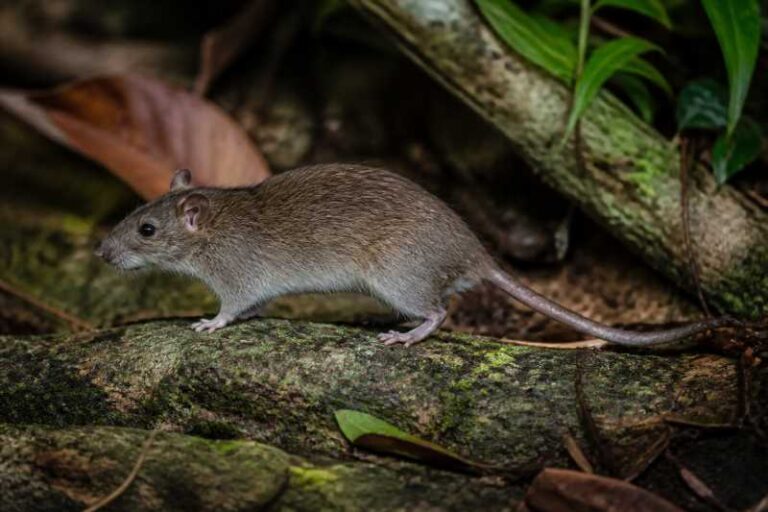
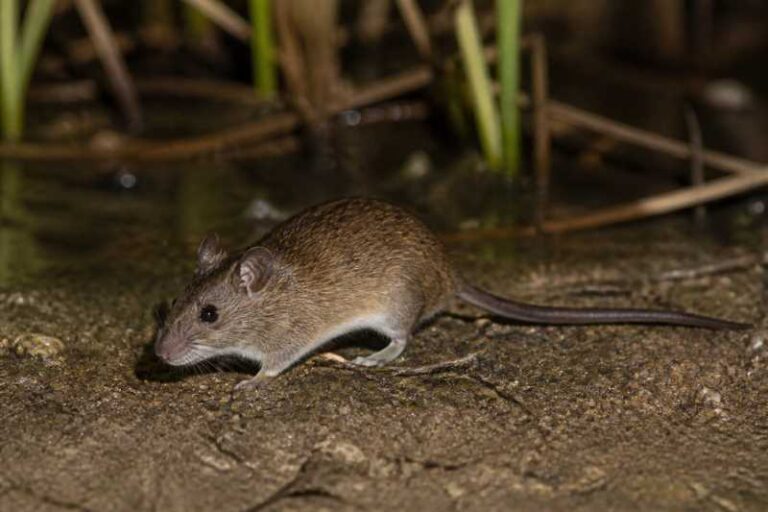
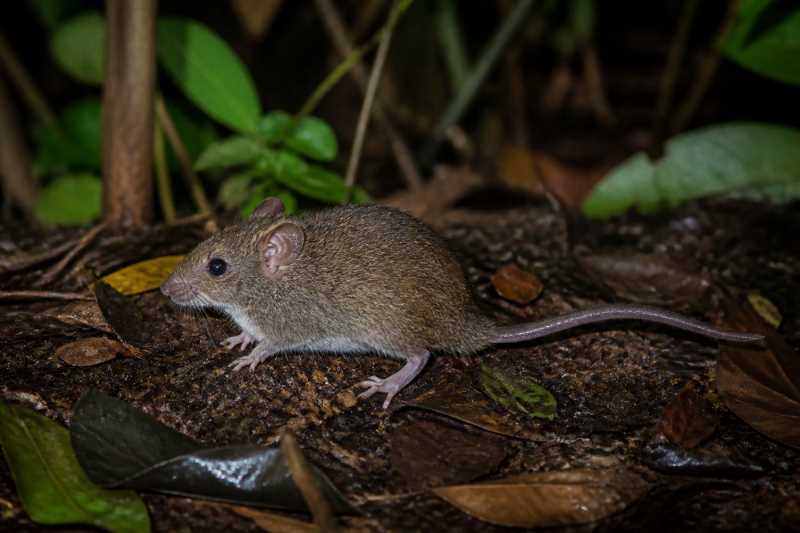
The Cameroon Soft-furred Mouse is characterized by its relatively small size and distinctive soft fur, which is one of its most defining features. Adult mice typically measure between 8 to 12 centimeters in body length, with a tail that adds another 10 to 15 centimeters. Its fur is usually a mix of gray and brown, providing excellent camouflage in its natural habitat.
The mouse has a pointed snout and large, round ears that are well adapted for detecting predators. Its eyes are relatively large, indicative of its nocturnal lifestyle. The limbs are short but strong, with sharp claws that assist in climbing and foraging. The mouse’s overall body structure is optimized for agility and speed, making it an adept escape artist in the wild.
Range and Habitat
The Cameroon Soft-furred Mouse is predominantly found in the tropical and subtropical forests of Central Africa, with its range extending through parts of Cameroon, Nigeria, and possibly into other neighboring countries. It thrives in dense, humid forests where it can easily find food and shelter.
This species is highly adaptable and can occupy a variety of microhabitats within the forest. It is commonly found in the undergrowth, where it forages for food, and among the trees, where it nests and evades predators. The mouse’s ability to adapt to different environmental conditions makes it a resilient species within its natural range.
Behavior and Diet
The Cameroon Soft-furred Mouse is primarily nocturnal, spending most of its active hours foraging for food under the cover of darkness. Its diet mainly consists of seeds, fruits, and insects, making it an omnivore. This diverse diet allows it to take advantage of the various food sources available within its habitat.
Socially, the Cameroon Soft-furred Mouse tends to be solitary or live in small family groups. It communicates using a series of high-pitched squeaks and scent markings, which are used to establish territory and attract mates. Reproduction can occur throughout the year, with females giving birth to litters of 2 to 5 young after a gestation period of about 21 days.
Identification Tips (Field Recognition Cues)
Identifying the Cameroon Soft-furred Mouse in the field requires attention to several key characteristics:
- Fur Texture and Color: Look for the soft, gray-brown fur that blends well with the forest floor.
- Size and Shape: Note the small body size, pointed snout, and long tail.
- Behavior: Observe nocturnal activity and foraging behavior.
- Habitat: Focus searches in dense, humid forests, particularly in the undergrowth.
- Vocalizations: Listen for high-pitched squeaks, especially at night.
Conservation Status (With Threats and Protections)
The Cameroon Soft-furred Mouse is currently classified as "Least Concern" by the International Union for Conservation of Nature (IUCN). While it is not considered at immediate risk of extinction, there are several threats that could impact its population in the future.
Threats
- Habitat Destruction: Deforestation for agriculture and logging is a significant threat to the mouse’s natural habitat.
- Climate Change: Alterations in temperature and precipitation patterns could affect the availability of food and shelter.
- Predation: Natural predators include birds of prey and larger mammals, which can impact population numbers.
Protections
Efforts to conserve the Cameroon Soft-furred Mouse focus on habitat preservation and sustainable land-use practices. Protected areas and national parks in Central Africa play a crucial role in safeguarding the species’ habitat. Additionally, ongoing research and monitoring help to ensure that population trends are closely observed.
Frequently Asked Questions
What do Cameroon Soft-furred Mice eat?
Cameroon Soft-furred Mice are omnivores that primarily consume seeds, fruits, and insects. Their diet is diverse, which allows them to adapt to varying food availability within their forest habitats.
How can I identify a Cameroon Soft-furred Mouse?
To identify this species, look for its small size, soft gray-brown fur, long tail, and nocturnal behavior. They are often found in dense, humid forests and may be heard making high-pitched squeaks.
Are Cameroon Soft-furred Mice endangered?
Currently, the Cameroon Soft-furred Mouse is classified as "Least Concern." However, habitat destruction and climate change pose potential threats that could impact its population in the future.
Where can Cameroon Soft-furred Mice be found?
These mice are native to the tropical and subtropical forests of Central Africa, with a range that includes parts of Cameroon and Nigeria.
What are the main threats to Cameroon Soft-furred Mice?
The primary threats include habitat destruction due to deforestation, climate change impacts, and predation by natural predators such as birds of prey.
Related posts