Texas Antelope Squirrel: A Detailed Overview
Introduction
The Texas antelope squirrel, scientifically known as Ammospermophilus interpres, is a small but remarkable mammal native to the southwestern United States. Found primarily in Texas, this species captivates wildlife enthusiasts and researchers alike with its intriguing behaviors and adaptability to arid environments. This article delves into the various aspects of the Texas antelope squirrel, providing a comprehensive insight into its physical characteristics, habitat preferences, behaviors, dietary habits, and conservation status.
Physical Description
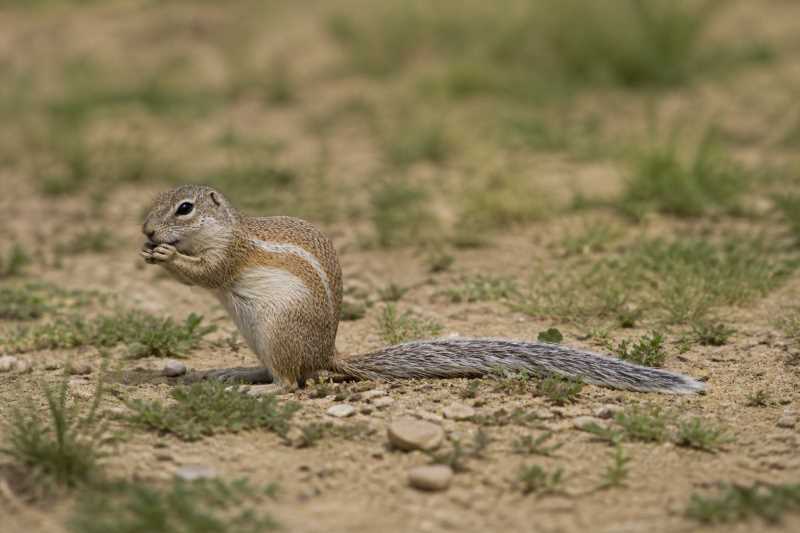
The Texas antelope squirrel is a diminutive rodent characterized by its distinctive appearance and agile movements. Adults typically measure between 8 to 10 inches in length, including their bushy tail, which accounts for nearly half of their total length. The body is covered in a grayish-brown fur, adorned with a prominent white stripe running along each side from the shoulder to the hip, effectively camouflaging them against the desert landscape.
Their large, dark eyes and rounded ears are adapted to detect predators, while their robust hind legs allow for quick, bounding escapes. The tail, bushy and dark-tipped, is often held arched over the back, a behavior thought to provide shade and regulate body temperature in the scorching desert sun.
Range and Habitat
As the name suggests, the Texas antelope squirrel is primarily found in the Lone Star State, though its range extends into parts of New Mexico and northern Mexico. They inhabit arid and semi-arid regions, thriving in desert scrub, rocky hillsides, and open grasslands. These environments provide ample cover and food resources, allowing the squirrels to forage effectively while evading predators.
Their burrow systems, often located beneath rocks or dense vegetation, serve as refuges from extreme temperatures and protection from predators. These burrows are typically shallow but intricate, with multiple entrances and exits that facilitate quick escapes.
Behavior and Diet
Texas antelope squirrels are diurnal, meaning they are active during the day, primarily in the cooler hours of the morning and late afternoon. They are solitary creatures, although they may be seen foraging in loose groups when food is abundant.
Their diet is omnivorous, consisting mainly of seeds, fruits, insects, and occasionally small vertebrates. Cacti and other succulent plants are critical components of their diet, providing necessary hydration in the arid environment where water is scarce. They are known to hoard food in caches, which helps them survive during periods of scarcity.
The squirrels communicate through a series of vocalizations and tail movements, often seen flicking their tail as a signal to others about potential threats.
Identification Tips
Field identification of the Texas antelope squirrel can be facilitated by observing several key characteristics:
- Coloration: Look for the distinctive white stripes running along each side of their grayish-brown body.
- Tail Behavior: Notice the unique tail arching behavior, especially when the squirrel is stationary.
- Size and Shape: Note their relatively small size and the proportionally large tail.
- Habitat: They are usually found in arid and semi-arid regions, often near rocky outcrops or sparse vegetation.
Conservation Status
Currently, the Texas antelope squirrel is classified as Least Concern by the International Union for Conservation of Nature (IUCN). Despite this relatively secure status, certain threats could impact their populations in the future. Habitat destruction due to urban expansion, agriculture, and climate change poses significant risks. Loss of natural habitat can reduce food availability and increase vulnerability to predators.
Efforts to protect and conserve their habitat are crucial. Conservation measures include maintaining natural landscapes, regulating land use, and promoting awareness about the species and its ecological role.
Frequently Asked Questions
What do Texas antelope squirrels eat?
Texas antelope squirrels have an omnivorous diet. They primarily consume seeds, fruits, and insects, with cacti playing a significant role in their hydration needs.
Where can I find Texas antelope squirrels?
These squirrels are native to arid regions of Texas, extending into parts of New Mexico and northern Mexico, often inhabiting desert scrub and rocky hillsides.
How do Texas antelope squirrels survive in the desert?
They survive by utilizing their burrows for refuge and consuming moisture-rich foods like cacti. Their physical adaptations help them regulate body temperature and evade predators.
Are Texas antelope squirrels endangered?
No, they are currently classified as Least Concern, but habitat destruction and climate change could pose future threats.
How can I identify a Texas antelope squirrel?
Look for their grayish-brown fur with white side stripes, bushy tail, and active daytime behavior in arid habitats.
Related posts