Introduction
Pacheco’s Squirrel, scientifically known as Sciurus pachecoi, is a captivating species that has piqued the interest of mammalogists and nature enthusiasts alike. This elusive squirrel, which inhabits specific regions of Central America, is known for its distinctive features and unique behavioral patterns. As we delve deeper into the world of Pacheco’s Squirrel, we will explore its physical characteristics, natural habitat, dietary habits, and more. This comprehensive guide aims to provide in-depth insights into this fascinating mammal, making it a valuable resource for researchers, wildlife enthusiasts, and anyone keen on understanding more about this unique species.
Physical Description
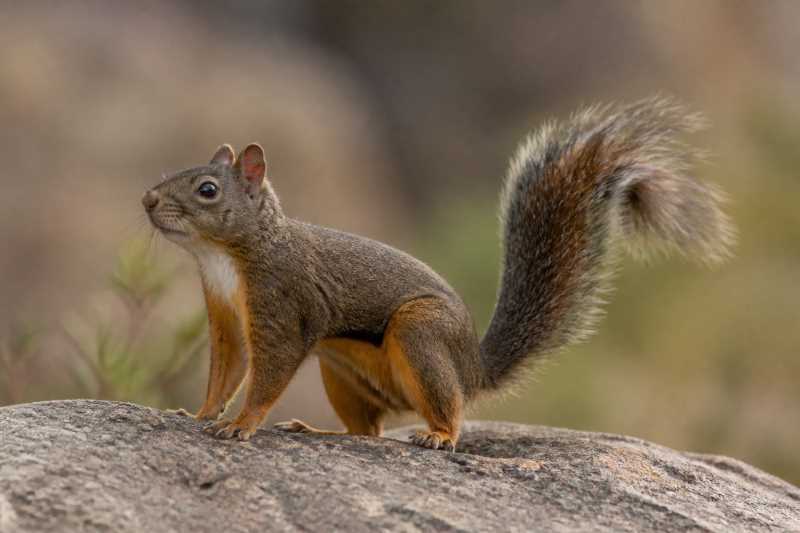
Pacheco’s Squirrel is a medium-sized tree squirrel, with an average body length ranging from 25 to 30 centimeters, excluding its bushy tail, which adds an additional 20 to 25 centimeters. The overall coloration of this squirrel is a blend of grays and browns, which allows it to camouflage effectively within its forest habitat. The dorsal side is typically a mix of dark gray and brown, while the ventral side is a lighter gray or off-white. One of the distinguishing features of Sciurus pachecoi is its large, expressive eyes, which are rimmed with a subtle ring of white fur, enhancing its visual appeal.
The tail of Pacheco’s Squirrel is not only long but also densely furred, providing balance and agility as it navigates through the forest canopy. Its strong, sharp claws are well-adapted for climbing, and combined with its powerful hind limbs, the squirrel is an adept and agile acrobat among the trees. The species exhibits sexual dimorphism, with males typically being slightly larger than females, although both genders share similar coloration and markings.
Range and Habitat
Pacheco’s Squirrel is predominantly found in the montane forests of Central America, with its range extending across parts of southern Mexico to Guatemala and El Salvador. These regions are characterized by their dense, humid forests that offer a rich biodiversity. The squirrel prefers altitudes ranging from 1,000 to 2,500 meters above sea level, where the climate is relatively cooler and the vegetation is lush.
This species is particularly associated with cloud forests and oak-pine woodlands, which provide an abundance of food resources and nesting sites. The dense canopy of these forests offers protection from predators and harsh weather, while the understory provides ample opportunities for foraging. Human encroachment and habitat destruction pose significant threats to these habitats, thus impacting the distribution and population of Pacheco’s Squirrel.
Behavior and Diet
Pacheco’s Squirrel is diurnal, meaning it is active during the day, particularly in the early morning and late afternoon when temperatures are more moderate. It is a solitary creature, with individuals typically foraging alone, except during the breeding season when pairs may be observed together.
The diet of Pacheco’s Squirrel is primarily herbivorous, consisting of a variety of seeds, nuts, fruits, and occasionally fungi. It plays a crucial role in seed dispersal, aiding in forest regeneration. The squirrel is known to hoard food, burying it in the ground to retrieve during scarce periods. This behavior is vital for surviving the leaner months when food is not as abundant.
Identification Tips (Field Recognition Cues)
Identifying Pacheco’s Squirrel in the wild requires a keen eye and attention to detail. Here are some tips to help in recognizing this species:
- Coloration: Look for the distinct gray and brown coloration with a lighter underside.
- Tail: Observe the long, bushy tail, which is characteristic of tree squirrels.
- Size: Note the medium size, with body and tail lengths combined reaching up to 50-55 cm.
- Behavior: Watch for their agile movements in the trees and frequent stops to survey their surroundings.
- Sounds: Listen for their vocalizations, which include a variety of chattering and clicking sounds used for communication.
Conservation Status (With Threats and Protections)
Pacheco’s Squirrel is currently listed as a species of Least Concern on the IUCN Red List, but it faces increasing threats from habitat destruction and fragmentation due to agricultural expansion and urban development. Illegal logging and deforestation for timber and charcoal production are significant concerns, as they lead to the loss of critical habitat.
Conservation efforts are essential to ensure the survival of this species. Protected areas and national parks within its range provide some level of protection, but more extensive measures are required. These include reforestation projects, sustainable land management practices, and community engagement to promote conservation awareness.
Efforts to monitor and study populations are ongoing, with research focusing on understanding the ecological role of Pacheco’s Squirrel and its response to environmental changes. Strengthening legal frameworks to curb illegal logging and establishing wildlife corridors to connect fragmented habitats are crucial steps needed to enhance the conservation of this species.
Frequently Asked Questions
1. What is the primary diet of Pacheco’s Squirrel?
Pacheco’s Squirrel primarily feeds on seeds, nuts, and fruits. It occasionally consumes fungi and plays an important role in seed dispersal, contributing to forest regeneration.
2. Where can Pacheco’s Squirrel be found?
This species is found in the montane forests of Central America, specifically in southern Mexico, Guatemala, and El Salvador. It prefers altitudes between 1,000 and 2,500 meters.
3. How does Pacheco’s Squirrel contribute to its ecosystem?
By dispersing seeds through its foraging and hoarding habits, Pacheco’s Squirrel aids in forest regeneration and maintains the ecological balance. Its presence indicates a healthy forest ecosystem.
4. What are the main threats to Pacheco’s Squirrel?
The primary threats include habitat destruction due to deforestation, agricultural expansion, and urbanization. Conservation efforts focus on habitat protection and sustainable management.
5. How can one identify Pacheco’s Squirrel in the wild?
Identifying features include its gray and brown coloration, long bushy tail, medium size, agile tree-dwelling behavior, and distinct vocalizations.
Related posts