Introduction
The Mentawai Squirrel, scientifically known as Callosciurus melanogaster, is a captivating species found primarily in the Mentawai Islands of Indonesia. This vibrant squirrel is a member of the family Sciuridae and is known for its unique color patterns and behaviors. Despite its charm, the Mentawai Squirrel remains relatively understudied due to its limited geographical range, contributing to the growing interest among researchers and conservationists. In this article, we delve into various aspects of the Mentawai Squirrel, including its physical characteristics, habitat preferences, behavioral patterns, and conservation status.
Physical Description
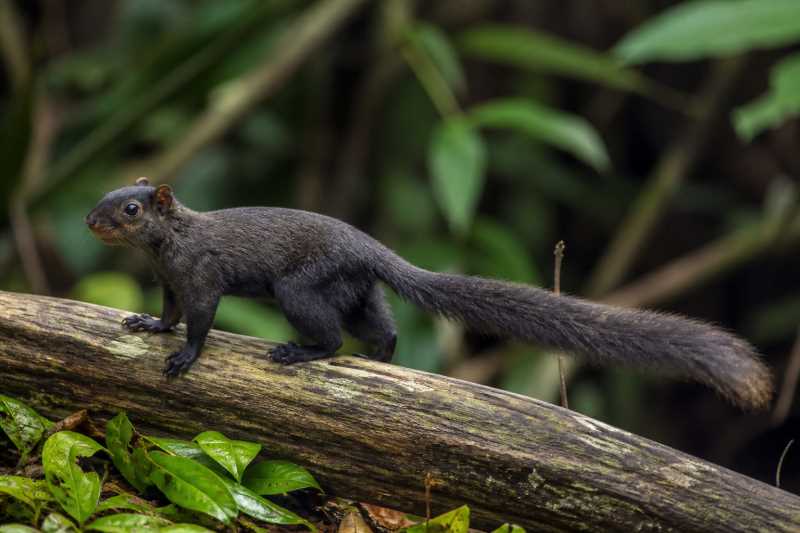
The Mentawai Squirrel exhibits a striking appearance that distinguishes it from other squirrel species. It possesses a medium-sized body, with an average length ranging from 20 to 30 centimeters, excluding the tail, which adds another 15 to 25 centimeters. The weight of these squirrels typically falls between 250 and 400 grams.
One of the most notable features of the Mentawai Squirrel is its vibrant fur, which displays a blend of colors. The dorsal side is predominantly covered in dark brown to black fur, while the ventral side is lighter, often showcasing a reddish or orange hue. This color contrast is not only visually striking but also aids in camouflage within their natural habitat.
The tail of the Mentawai Squirrel is bushy and serves multiple purposes, such as maintaining balance when navigating through trees and providing warmth during cooler temperatures. Its sharp claws and strong limbs further enhance its arboreal lifestyle, allowing it to climb and leap with agility.
Range and Habitat
The Mentawai Squirrel is endemic to the Mentawai Islands, an archipelago located off the western coast of Sumatra, Indonesia. This group of islands includes Siberut, Sipura, North Pagai, and South Pagai, where the squirrel inhabits a variety of forested environments.
Their preferred habitats are lowland and montane forests, where they find abundant food sources and shelter. These forests are characterized by a rich diversity of flora, including tall trees and dense undergrowth, which provide both food and protection from predators. The Mentawai Squirrel is primarily arboreal, spending most of its time in the canopy layer, although it occasionally descends to the forest floor in search of food.
Behavior and Diet
Mentawai Squirrels are diurnal creatures, meaning they are active during the day. Their activity peaks in the early morning and late afternoon, coinciding with the times when food is most accessible. They are social animals and often seen in small groups, which helps in foraging and protection against predators.
The diet of the Mentawai Squirrel is predominantly herbivorous, consisting mainly of fruits, seeds, nuts, and young leaves. Occasionally, they may consume insects or small invertebrates, supplementing their diet with protein. Their foraging behavior is crucial for seed dispersal, contributing to the ecological health of their forest habitats.
Identification Tips (field recognition cues)
Identifying the Mentawai Squirrel in the wild involves observing several key characteristics:
- Coloration: Look for the distinct contrast between the dark dorsal side and the lighter, often reddish or orange ventral side.
- Size: Note the medium body size, with a bushy tail that is almost as long as the body itself.
- Behavior: Observe their diurnal activity pattern and arboreal habits, often seen leaping between trees.
- Sound: Listen for their vocalizations, which include a series of chirps and chatters, often used for communication among group members.
Conservation Status (with threats and protections)
The Mentawai Squirrel is currently classified as Near Threatened on the IUCN Red List. This status is primarily due to habitat loss and fragmentation, driven by logging, agricultural expansion, and human settlement. The limited range of this species makes it particularly vulnerable to these threats.
Conservation efforts are focused on preserving the natural habitats of the Mentawai Islands. Protected areas have been established, and there are ongoing campaigns to promote sustainable land-use practices. Additionally, research initiatives aim to gather more data on the species’ population dynamics and ecological requirements, providing critical information for effective conservation strategies.
Frequently Asked Questions
1. What does the Mentawai Squirrel eat?
The Mentawai Squirrel primarily feeds on fruits, seeds, nuts, and young leaves. Occasionally, they may consume insects or small invertebrates to supplement their diet with protein.
2. Where can I find the Mentawai Squirrel?
This squirrel is endemic to the Mentawai Islands of Indonesia, inhabiting lowland and montane forests across Siberut, Sipura, North Pagai, and South Pagai.
3. Why is the Mentawai Squirrel considered Near Threatened?
The Mentawai Squirrel is considered Near Threatened due to habitat loss and fragmentation caused by logging, agricultural expansion, and human settlement, which threaten its limited range.
4. How can the Mentawai Squirrel be identified in the wild?
Identification involves looking for their distinct coloration, medium size, bushy tail, arboreal behavior, and listening for their vocalizations, such as chirps and chatters.
5. Are there any conservation efforts in place for the Mentawai Squirrel?
Yes, conservation efforts include establishing protected areas, promoting sustainable land-use practices, and conducting research to gather data on their population dynamics and ecological needs.
Related posts