Northern Tapeti (Sylvilagus incitatus): A Comprehensive Overview
Introduction
The Northern Tapeti (Sylvilagus incitatus), a lesser-known member of the rabbit family, inhabits select regions in South America. This species is a fascinating subject for wildlife enthusiasts and researchers due to its unique adaptations and behaviors. Unlike many of its relatives, the Northern Tapeti is adapted to thrive in tropical forests, making it an intriguing species for study in terms of evolutionary biology and ecology. In this article, we delve deep into the life of the Northern Tapeti, discussing its physical characteristics, habitat preferences, behavior, diet, and the challenges it faces in its natural environment.
Physical Description
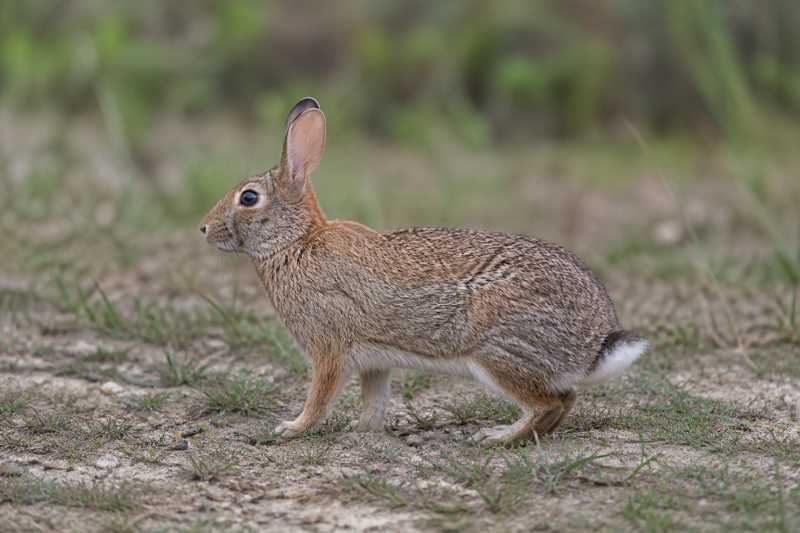
The Northern Tapeti is a small to medium-sized rabbit, characterized by its distinct physical features that adapt it to its environment. It weighs between 1.5 and 2 kilograms, with a body length ranging from 40 to 48 centimeters. Its fur is predominantly grayish-brown, providing excellent camouflage in its forested habitat. The underbelly is typically lighter, often a pale gray or white. The Northern Tapeti has long ears and large eyes, which are crucial for detecting predators. Its hind legs are strong and muscular, aiding in swift escapes when threatened.
One of the most notable features of the Northern Tapeti is its fur, which is denser than that of rabbits in more temperate zones. This density helps protect against the elements and provides warmth during cooler nights. Additionally, the fur’s coloration helps it blend seamlessly with the underbrush of its forest home, making it less visible to predators.
Range and Habitat
The Northern Tapeti is primarily found in the tropical regions of northern South America, with its range extending across parts of Brazil, Venezuela, and the Guianas. It prefers dense, humid forests, including rainforests and cloud forests, where it can find ample cover and food resources. These rabbits are adept at navigating complex forest terrains, often inhabiting areas with thick undergrowth and abundant leaf litter.
Their habitat selection is closely tied to the availability of food and cover. They are known to inhabit areas near rivers and streams, where vegetation is lush and diverse. The proximity to water sources not only offers hydration but also supports a rich diversity of plant life, which is crucial for their diet.
Behavior and Diet
The Northern Tapeti is primarily nocturnal, venturing out at dusk to forage for food. During the day, it remains hidden in dense vegetation or burrows, avoiding predators and the harsh midday heat. Its nocturnal habits are an adaptation to the tropical environment, where nighttime temperatures are cooler and food is more accessible without the threat of overheating.
The diet of the Northern Tapeti consists mainly of a variety of plant materials, including grasses, leaves, fruits, and bark. They are selective feeders, often choosing plants that are rich in nutrients. This selective feeding helps them meet their dietary needs in an environment where nutrient-rich food can be scarce.
In addition to feeding, the Northern Tapeti engages in grooming and social interactions, although it is generally a solitary animal. Territorial by nature, individuals mark their territories with scent markings to ward off other rabbits.
Identification Tips (Field Recognition Cues)
Identifying the Northern Tapeti in the wild requires attention to several key characteristics:
- Size and Shape: Look for a medium-sized rabbit with a robust body and relatively long ears.
- Fur Coloration: Note the grayish-brown fur with a lighter underbelly, which is distinctive to this species.
- Behavior: Observe their nocturnal activity patterns and preference for dense, covered areas.
- Habitat: They are typically found in humid, tropical forests, often near water sources.
- Tracks and Signs: Look for small, rounded tracks and gnaw marks on plants and bark.
Conservation Status (with Threats and Protections)
The Northern Tapeti is currently classified as Near Threatened on the IUCN Red List. The primary threats to this species include habitat loss due to deforestation, hunting, and competition with invasive species. As the forests of South America continue to be cleared for agriculture and development, the habitat available for the Northern Tapeti is shrinking, posing a significant threat to their survival.
Conservation efforts are focused on habitat preservation and restoration. Protected areas and national parks within their range play a crucial role in safeguarding their populations. Additionally, there are initiatives aimed at sustainable forest management and educating local communities about the importance of biodiversity and the role of species like the Northern Tapeti.
Frequently Asked Questions
What is the habitat of the Northern Tapeti?
The Northern Tapeti primarily inhabits dense, humid tropical forests. It is typically found in regions with abundant vegetation, near rivers and streams, which provide the necessary food resources and cover.
How can you distinguish the Northern Tapeti from other rabbits?
The Northern Tapeti can be distinguished by its size, grayish-brown fur, and nocturnal behavior. It prefers dense tropical habitats, unlike other rabbits that may be found in more open or temperate areas.
What are the main threats to the Northern Tapeti?
The primary threats include habitat loss due to deforestation, hunting pressures, and competition with invasive species. Conservation efforts are essential to mitigate these threats and protect their populations.
Are Northern Tapetis social animals?
Northern Tapetis are generally solitary and territorial animals. They interact primarily during mating seasons and otherwise maintain their territories using scent markings.
What do Northern Tapetis eat?
Their diet consists mainly of grasses, leaves, fruits, and bark. They are selective feeders that choose nutrient-rich plant materials to meet their dietary needs.
Related posts